The world's energy networks often resemble invisible rivers, flowing quietly beneath the rhythms of modern life. Homes are warmed, industries continue production, and cities remain illuminated because distant facilities operate without interruption. When one of those critical locations is affected by conflict, the impact is felt far beyond its immediate surroundings.
Concerns over global energy security intensified after reports of an attack affecting infrastructure connected to the South Pars gas field, one of the world's largest natural gas reserves shared by Iran and Qatar. Authorities began assessing operational conditions while monitoring the broader implications for regional energy production.
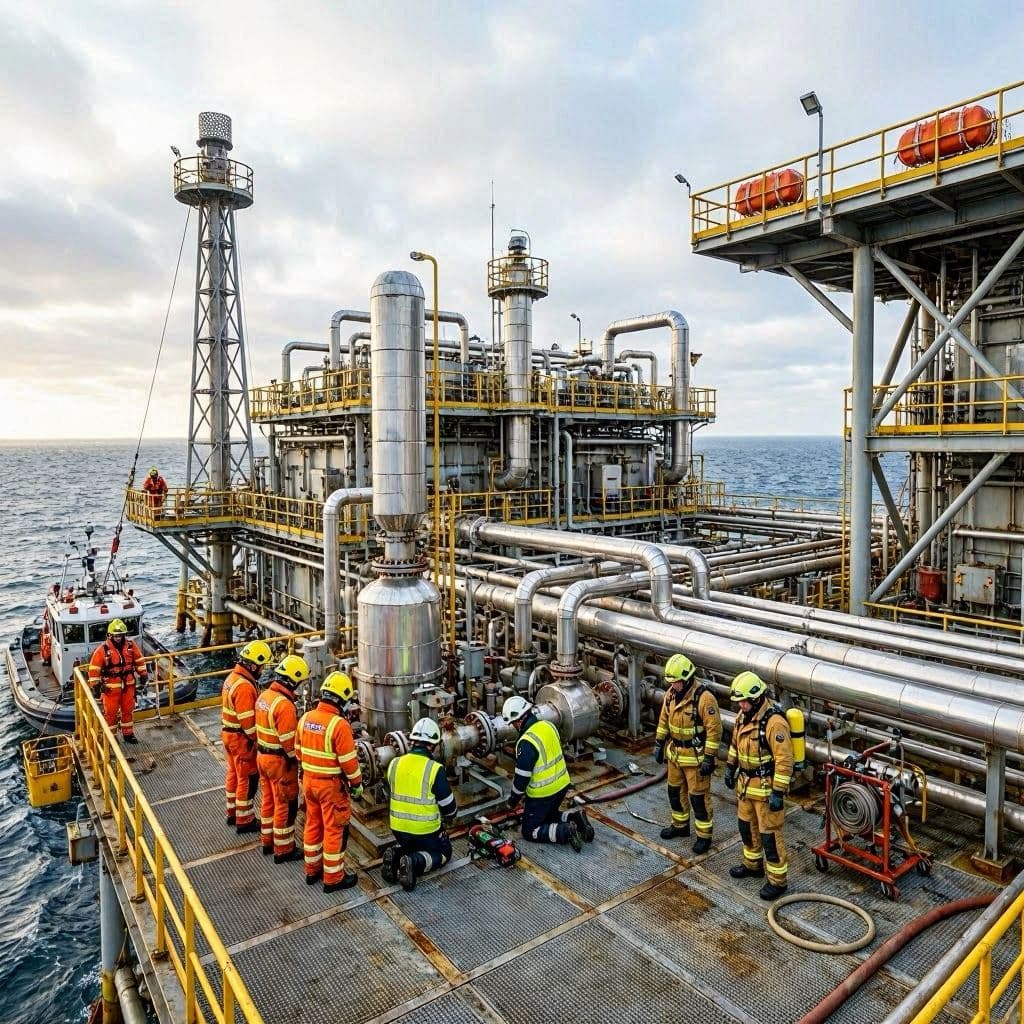
Iranian officials stated that emergency response teams were deployed promptly to inspect facilities and evaluate any operational damage. Initial assessments focused on ensuring worker safety and maintaining stable production wherever possible, while technical crews examined equipment and surrounding infrastructure.
Energy analysts noted that South Pars plays a significant role in global natural gas supply. Although markets often react quickly to geopolitical developments, experts cautioned that long-term impacts depend on the extent of physical damage, repair timelines, and regional security conditions.
Financial markets responded with renewed attention to energy prices as traders evaluated potential supply risks. Market specialists emphasized that uncertainty alone can influence commodity prices, even before complete information regarding production capacity becomes available.
Governments across multiple regions continued monitoring developments closely. Energy-importing countries have increasingly prioritized supply diversification in recent years, seeking to strengthen resilience against disruptions caused by natural disasters, technical failures, or geopolitical instability.
Industry observers also highlighted the importance of cooperation between producers, transport operators, and international partners. Reliable communication regarding infrastructure status helps stabilize markets by reducing uncertainty and providing clearer expectations for future supply.
While investigations and technical assessments continue, energy officials stress that maintaining operational stability remains the immediate priority. The incident serves as another reminder that modern energy security depends not only on production capacity but also on the resilience of critical infrastructure during periods of regional tension.
AI Image Disclaimer: This illustration was generated using artificial intelligence for editorial purposes and does not represent an authentic photograph from the reported event.
Source Verification Check: Reuters, Associated Press (AP), Bloomberg, BBC News
Note: This article was published on BanxChange.com and is powered by the BXE Token on the XRP Ledger. For the latest articles and news, please visit BanxChange.com