
The West Region of Cameroon is a landscape characterized by its dramatic elevations, where ancient volcanic peaks are covered by rich, emerald-green terraces cultivated by generations of skilled farmers. The relationship between the highland communities and their steep environment is intimate and productive, dependent entirely on the fertile qualities of the red clay soil. However, during the height of the equatorial rainy season, this steep geography becomes susceptible to the immense weight of continuous water accumulation, altering the landscape in a matter of moments.
A devastating landslide, triggered by an intense and prolonged downpour, recently tore down a vulnerable slope, destroying multiple family homes situated in the valley below. The sudden movement of the saturated earth completely overwhelmed the traditional building structures, leaving behind an exposed scar of raw soil where a neighborhood once stood. For the affected rural community, the mountain's shift represents a profound disruption, turning a source of agricultural livelihood into a scene of immediate environmental challenge.
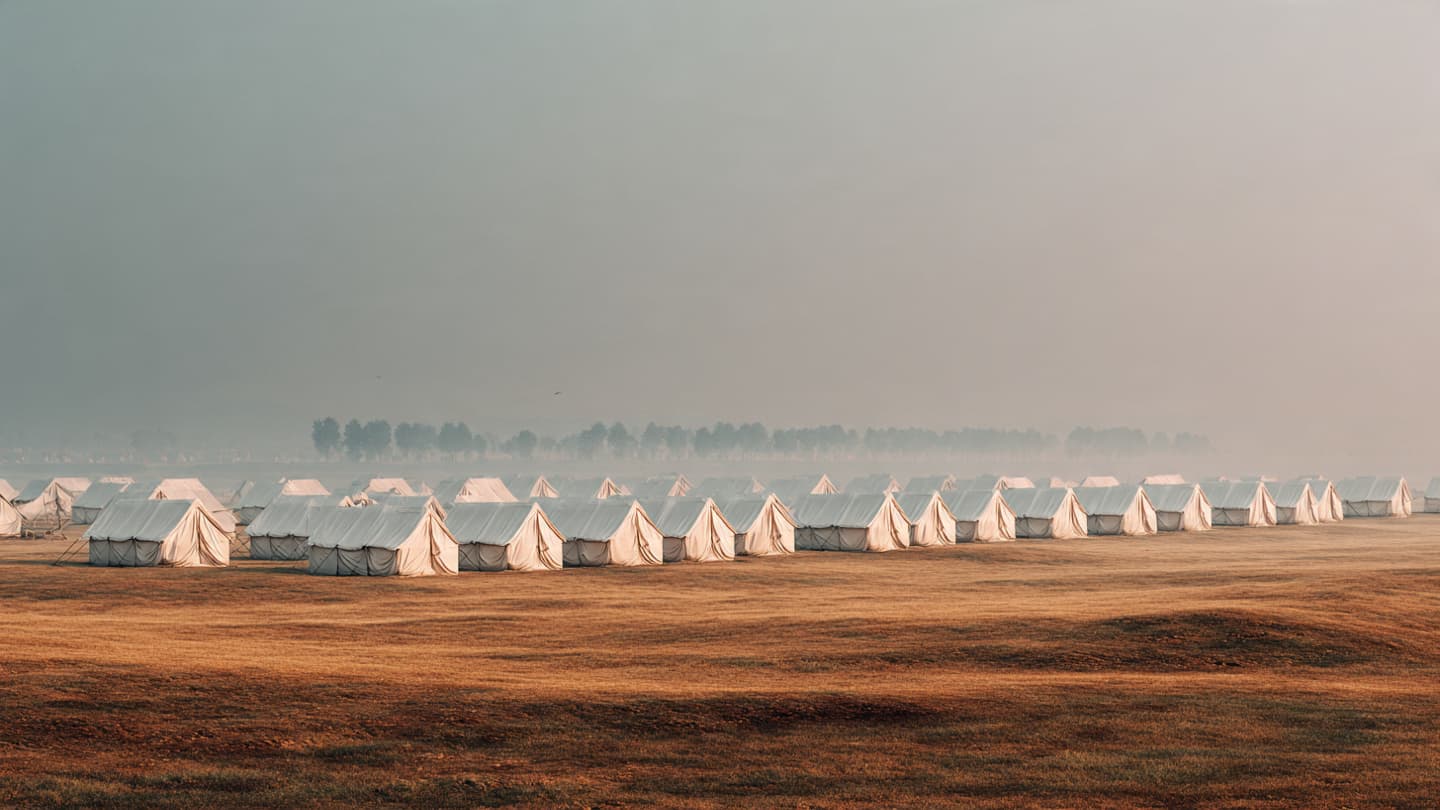
In the aftermath of the slide, the immediate focus of the surviving residents has turned to mutual support, as neighbors manually clear the thick mud to salvage what remains of their possessions. Regional emergency services face logistical difficulties navigating the winding, slippery highland roads to deliver temporary shelter and medical aid to the displaced families. This seasonal tragedy underscores the urgent need for comprehensive land-use mapping to guide residential expansion away from unstable slopes across the mountainous provinces.
Note: This article was published on BanxChange.com and is powered by the BXE Token on the XRP Ledger. For the latest articles and news, please visit BanxChange.com