The high valleys of Bumthang have long existed in a state of quiet understanding with the mountain peaks that frame their horizon. Here, the passage of time is measured not by the ticking of a clock, but by the slow, seasonal rhythm of ice freezing and thawing in the high altitude. It is a landscape defined by its permanence, yet beneath that stoic exterior, a subtle and fluid transformation is taking place. The glacial lakes, perched precariously among the clouds, are growing heavy with the tears of a warming sky.
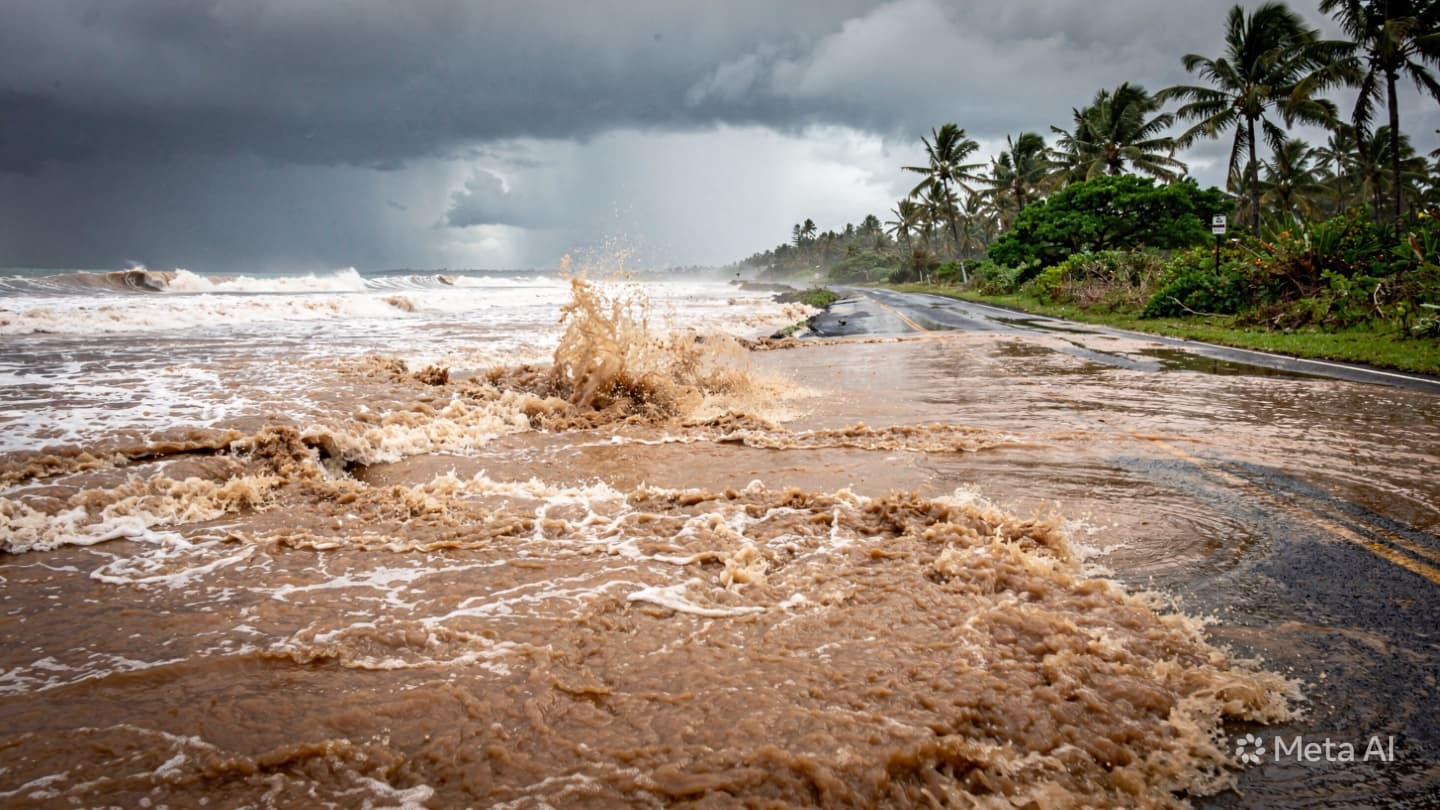
To look upon a glacial lake outburst flood is to witness the sudden, chaotic unraveling of ancient winters. For generations, these high-altitude bodies of water remained safely bound by walls of stone and frozen earth, serving as silent sentinels over the villages below. Now, those natural dams are showing signs of wear under the pressure of shifting climates. The threat is not one that arrives with a sudden roar from a clear sky, but rather one that builds in the dark, drop by drop, until the earth can no longer contain it.
In response to this quiet gathering of waters, a different kind of movement has begun to ripple through the communities of Bumthang. It is an effort born of necessity, traveling quietly from household to household along the valley floor. The Bhutan Broadcasting Service has documented how local authorities and community leaders are stepping into the spaces where anxiety might otherwise take root. They are bringing words of preparation, transforming a distant ecological reality into a shared, localized understanding of safety.
Sensitization is a soft word for a profound task, representing the intentional awakening of a community to the vulnerabilities of its own backyard. Meetings are held under the open sky or within the modest warmth of community halls, where maps of the high lakes are laid out like blueprints of a fragile peace. Residents learn to read the subtle signs of the river, to understand the pathways that water takes when it is suddenly set free, and to recognize the early warnings that precede a deluge.
There is a distinct dignity in the way these mountain communities approach the looming specter of the waters. Rather than yielding to panic or retreating from the lands their ancestors cleared, they are choosing the path of structured awareness. The dialogue between the experts who monitor the glaciers and the farmers who till the soil bridges a gap between science and daily life. It is an acknowledgment that while the mountains cannot be controlled, the human response to them can be refined.
The landscape itself seems to listen to these preparations as the rivers flow with a slightly heavier pulse in the late afternoon sun. Every discussion about evacuation routes and emergency supplies adds a layer of unseen infrastructure to the valley. It is a form of resilience that does not rely on concrete walls or steel barriers, but on the collective memory and readiness of the people who call these high places home.
As the afternoon light softens against the ridges, the contrast between the timeless beauty of Bumthang and its latent hazards becomes beautifully clear. The high lakes remain out of sight for most, hidden behind walls of mist and moraine, yet their presence is felt in every conversation about the future. The work of educating the public continues quietly, matching the steady, unrelenting pace of the natural world with human foresight.
In the end, the true measure of safety in the valleys may lie in this very balance of awareness and calm. Officials continue to monitor the high waters with remote sensors and satellite imagery, feeding data back to a population that is increasingly prepared to act. The risk of a sudden outburst remains a reality written into the geology of the region, but the communities below are no longer waiting in the dark for the waters to speak.
Published by Banx Network. This article is part of the Banx decentralized media programme, powered by the BXE token on the XRP Ledger.