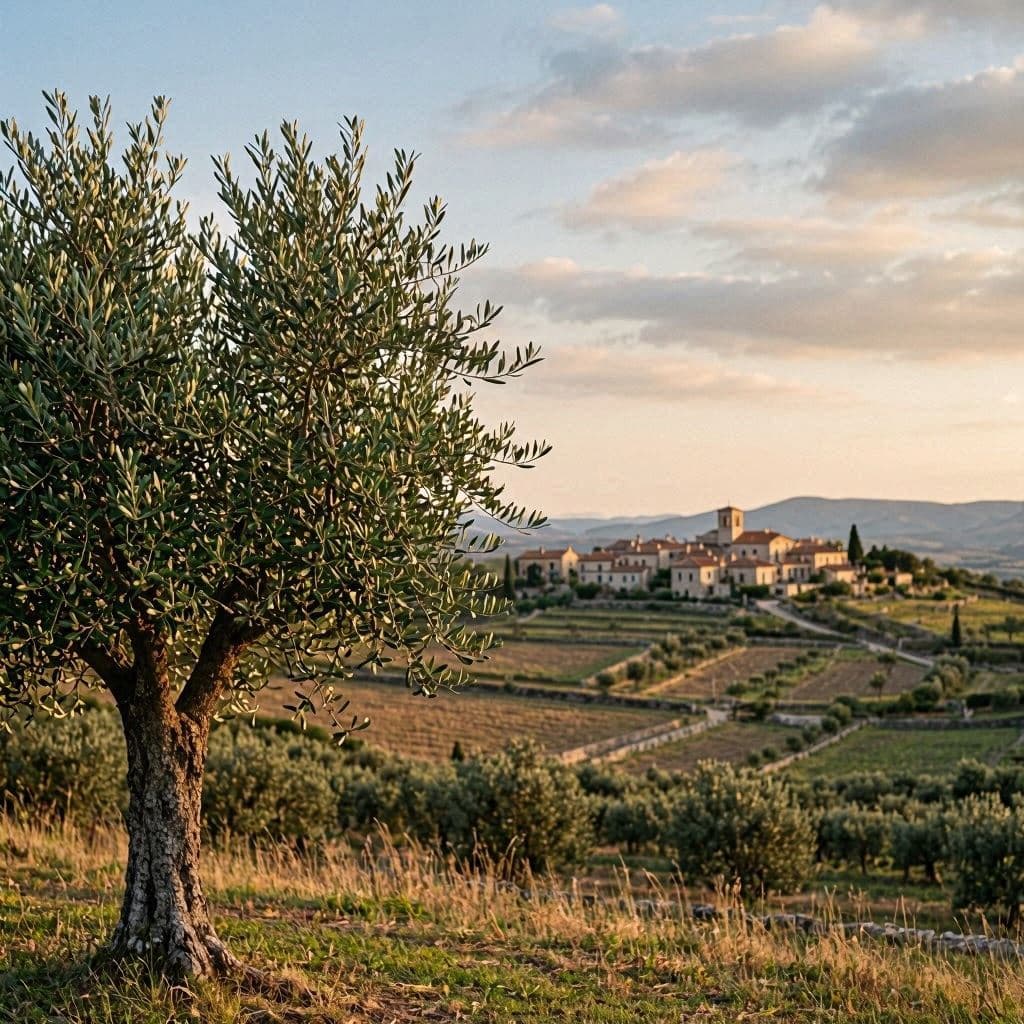
The rural landscapes of Amran are defined by the patient, steady labor of those who till the earth, a rhythm of life that has persisted through generations of sun and rain. In these quiet valleys, where the mountains cast long shadows over the fields, the arrival of a thunderstorm is often viewed as both a blessing and a reminder of nature’s immense, untamed power. When a lightning strike descends, it does so with a sudden, searing finality that disrupts the ancient dialogue between the farmer and the soil. The transformation from a day of work to a moment of irreversible loss is both instantaneous and deeply unsettling.
There is a profound, lingering atmosphere that settles over a village when two of its own are taken in the blink of an eye. We observe these events not with a desire to analyze the physics of the strike, but with a shared, human sense of mourning. The two farmers, whose presence was a vital component of the community’s sustenance, have been removed from the tapestry of daily life, leaving behind a vacuum that feels both immense and, in the clinical language of news, far too small. It is a moment to reflect on the vulnerability of those who work under the vast, open sky, exposed to the elements in the pursuit of their livelihood.
We view the aftermath with a sense of restrained, inconsolable sorrow. The fields, once a place of productivity and growth, are now marked by the memory of the event—a site of quiet contemplation where the community gathers to process the suddenness of the departure. We consider the families who must now reckon with an absence that is both sudden and profound. It is a meditation on the fragility of human existence, a reminder that the environment we rely upon is a dynamic, unpredictable force that does not distinguish between the laborer and the land.
In the reflective hours that follow, we find ourselves contemplating the nature of remembrance and the weight of the loss. The names of the farmers are now woven into the history of the village, a somber note that will remain part of the stories told around the evening fire. We hold space for the families, acknowledging the immense, quiet weight of their grief and the sorrow that follows their abrupt departure from the promise of a peaceful harvest. The earth continues its slow cycle, indifferent to the personal devastation, yet those who look closely at the soil can see the fracture that has occurred in the heart of the village.
As the community begins the process of healing, the incident serves as a call to conscience and a reminder of our shared vulnerability. It is a moment to ensure that we approach the work of the land with a humble awareness of the forces above us. The village will eventually return to its rhythmic, seasonal labor, but the memory of the event remains—a silent, urgent whisper to cherish the life that moves within our rural spaces and to navigate the open fields with a greater, more profound awareness of our temporary place within the grand, eternal expanse of the world.
Reports from local sources in Amran confirm that a lightning strike hit a rural area, resulting in the deaths of two local farmers as they tended to their land. Emergency responders were unable to reach the victims in time to provide aid, and the community has since gathered to offer support to the bereaved families. The incident has prompted local authorities to issue warnings regarding the dangers posed by severe weather patterns, advising residents to seek shelter during thunderstorms to prevent further tragedies in the governorate’s exposed agricultural districts.
Note: This article was published on BanxChange.com and is powered by the BXE Token on the XRP Ledger. For the latest articles and news, please visit BanxChange.com