There is a profound, almost primal power in the arrival of a seasonal storm. As the clouds gather over the valleys of Mexico State, they carry not just the promise of replenishment for the soil, but a latent force that can test the resilience of everything humanity has constructed in their path. The landscape, once characterized by the stability of roads and the permanence of homes, becomes a canvas for the unpredictable. When the rain falls with an intensity that overwhelms the earth’s capacity to absorb it, the environment is fundamentally altered in a matter of hours.
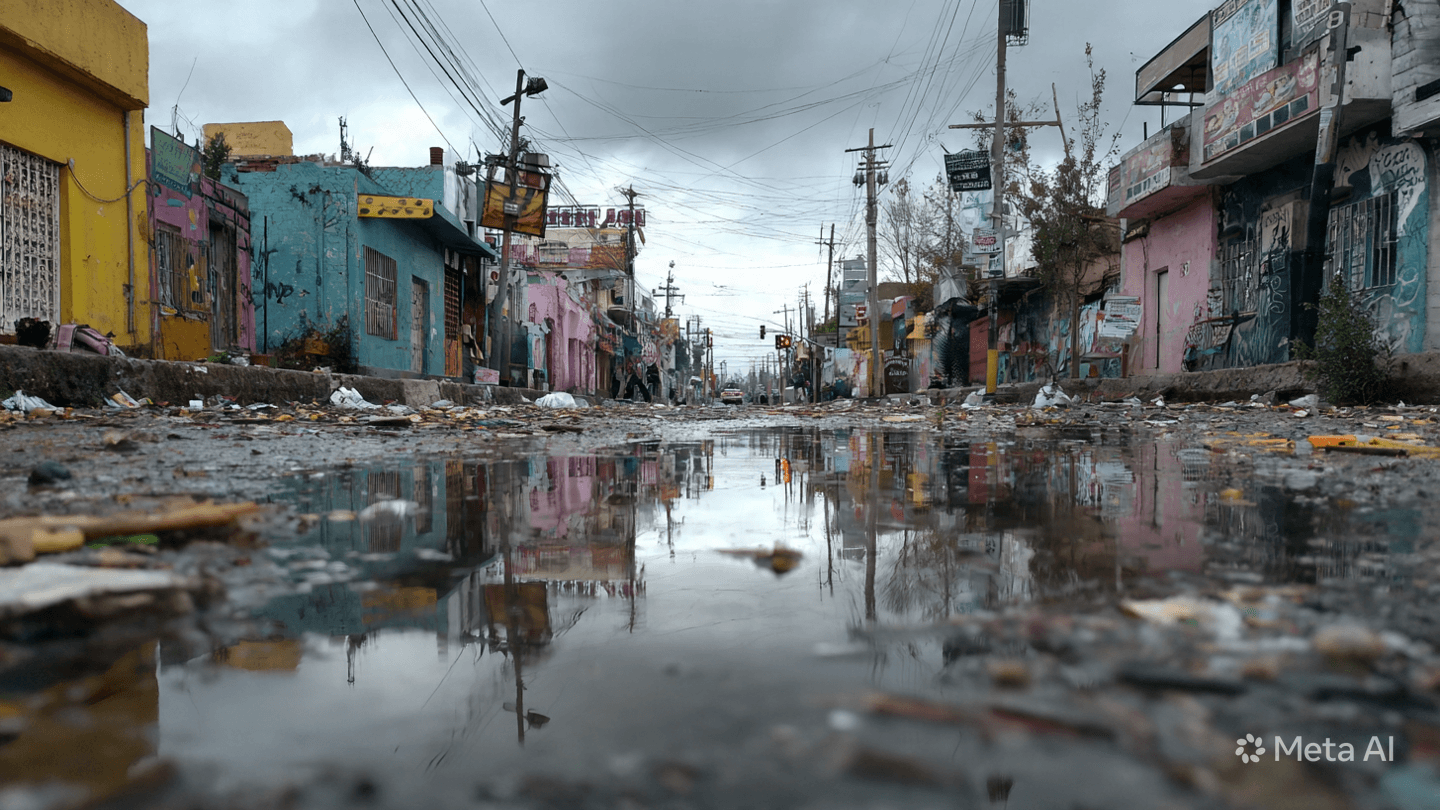
The recent flash flood that struck the region was a reminder of how quickly the mundane turns into the monumental. What began as a heavy downpour soon evolved into a torrent, turning paved streets into rushing channels and challenging the very foundations of the local infrastructure. There is a sense of awe that accompanies such an event, a recognition of the sheer volume of water that can redefine a geography. Yet, this awe is quickly eclipsed by the sobering reality of the damage left in the water’s wake, as infrastructure and homes succumb to the pressure.
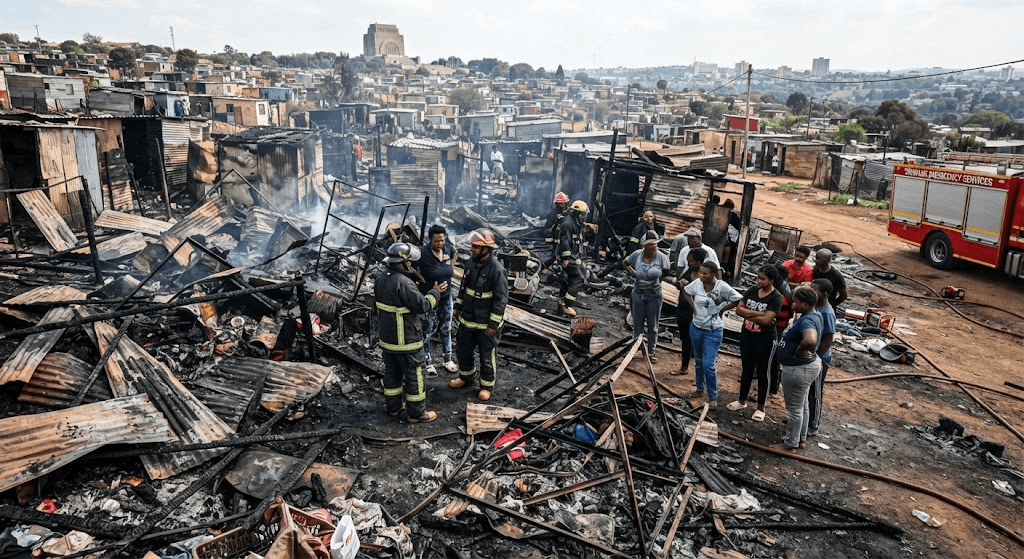
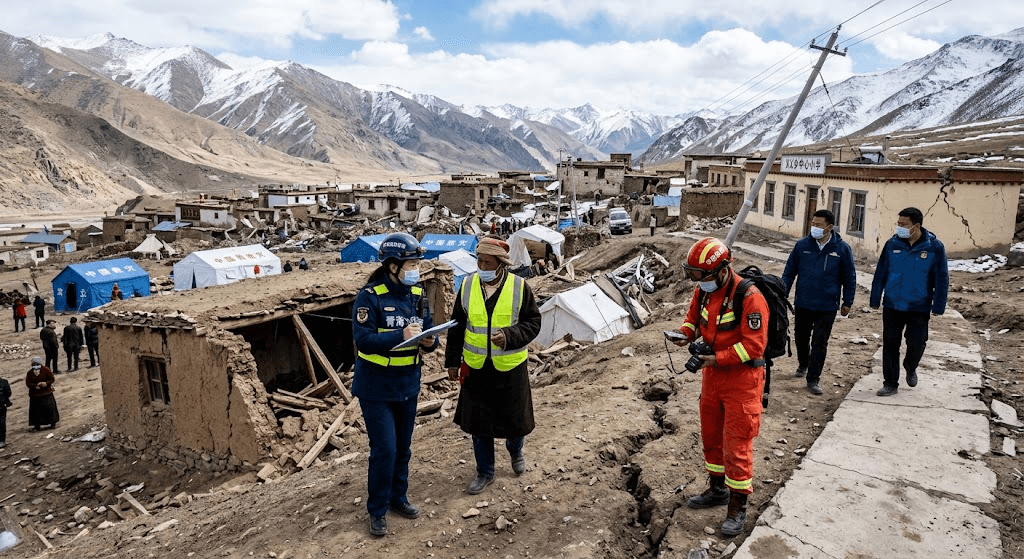
Emergency services were deployed to address the crisis, working through the mud and rising levels to reach those affected. Their efforts were framed by the necessity of immediate action—clearing blockages, assessing compromised structural integrity, and ensuring the safety of those stranded in the inundated zones. It is a slow, methodical reclamation, as the waters eventually recede and the scale of the damage becomes visible in the damp, quiet aftermath of the storm.
The aftermath serves as a catalyst for reflection on the intersection of urban development and the natural climate. As communities work to clear the silt and repair the broken pipes and roads, there is a collective effort to understand the triggers of such events. It is a cycle of rebuilding that is deeply human, an insistence on order even in the face of the chaotic forces of nature. The strength of the region lies in this persistence, the quiet, daily labor of restoring what the water has momentarily claimed.
Official reports have confirmed significant infrastructure damage across multiple municipalities in Mexico State following intense, sustained rainfall. The flash flood event caused the failure of several critical drainage systems and led to the collapse of supporting roadway foundations. Government engineers have launched a comprehensive assessment of public works, while disaster relief teams continue to provide assistance to families whose properties were flooded. The regional meteorological office has extended the flash flood warning as soil saturation levels remain dangerously high.
Published by Banx Network. This article is part of the Banx decentralized media programme, powered by the BXE token on the XRP Ledger.