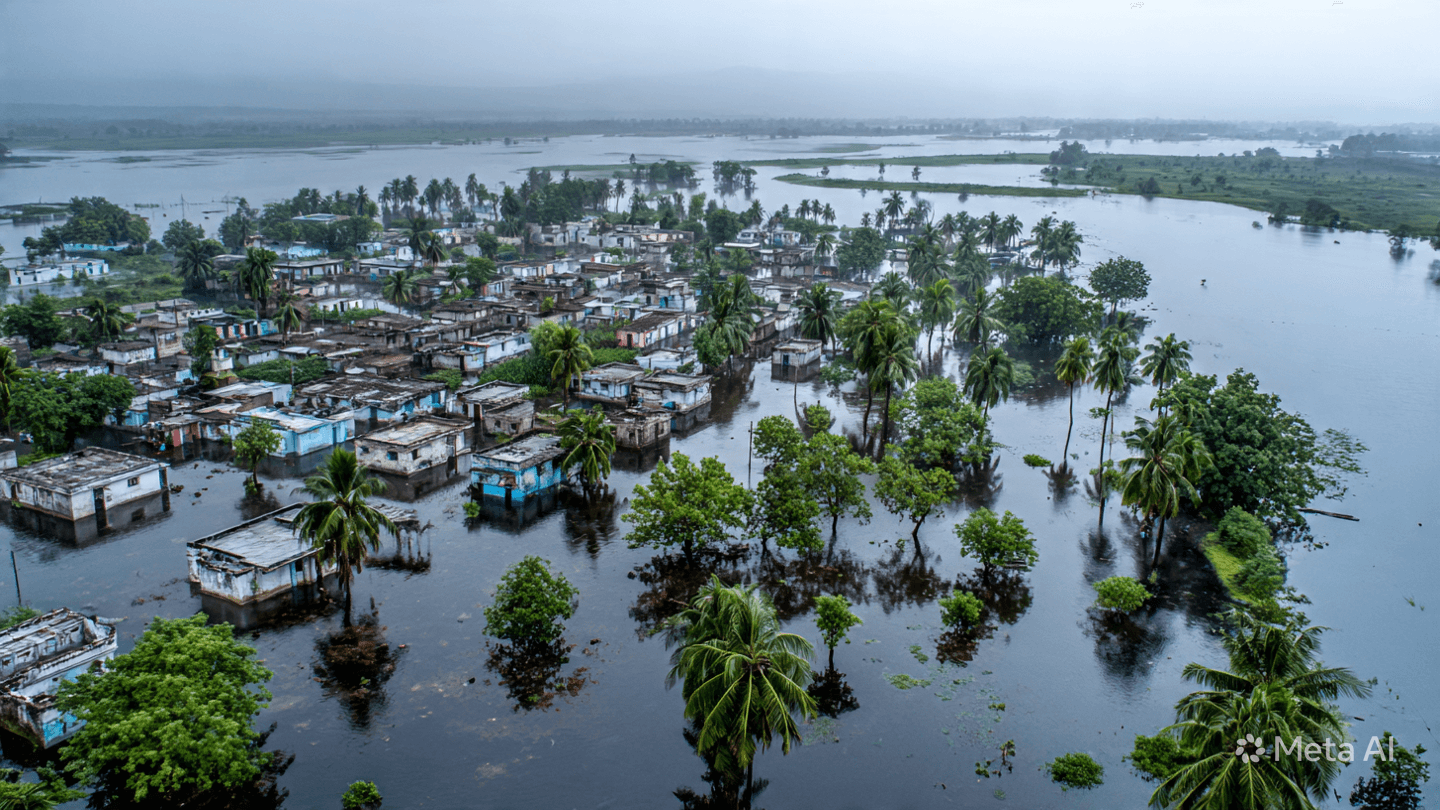
There is a specific kind of atmospheric pressure that arrives with the monsoon, a heaviness in the air that suggests the earth has reached its limit. When the rains fall with such sustained, concentrated intensity, the landscape no longer drinks the water; instead, it becomes a canvas for the flood. For the communities living in the path of these seasonal deluges, the familiar rhythms of the day are replaced by the urgent, rhythmic sound of rising waters and the necessity of departure.
The rise in emergency evacuations is a testament to the changing temper of the season. As the water inches upward, finding its way into the lower reaches of homes and the winding rural paths, the scale of the displacement becomes visible in the lines of families moving toward higher ground. There is a profound dignity in this movement—a quiet, orderly exodus that speaks to the resilience of those who have learned to live in negotiation with the elements.
Authorities, working within the centers of coordination, oversee this shift with a sense of immense responsibility. They are the conduits of safety, directing resources and personnel to the points of greatest need. Their work is a delicate balance of observation and intervention, attempting to stay one step ahead of the rising tide. It is a task that requires both a deep understanding of the local geography and the emotional restraint to remain objective as the environment transforms around them.
The experience of being evacuated is one of suspension. To leave one’s home, to set aside the artifacts of daily life in favor of basic necessities, is to exist in a state of temporary uncertainty. It is a moment where the personal history of a household is paused, waiting for the water to recede so that the process of return can begin. In the shelters, there is a shared, reflective silence, a recognition of the elemental force that has necessitated this temporary departure.
As the monsoon continues its passage, the frequency of these evacuations serves as a broader commentary on our vulnerability to the changing climate. The water does not choose its path, yet it disproportionately affects those whose lives are most closely tied to the land. The efforts of the authorities to relocate and protect these residents are a vital acknowledgement of the intrinsic value of every life, regardless of the challenges posed by the weather.
The scene in the evacuation centers is one of calm, determined activity. Volunteers and officials work to provide food, medical care, and a sense of structure to those who have been displaced. Despite the circumstances, there is a lack of panic—only a focused, human-centered effort to ensure that the duration of this uncertainty is as safe and manageable as possible for everyone involved.
As the rain continues to lash the region, the commitment to these evacuations remains steadfast. The authorities are monitoring the water levels with a level of detail that borders on the artistic, tracking the subtle rise of the flood across the plains. This ongoing vigilance is the primary barrier between the community and the full, unpredictable power of the monsoon, providing a necessary layer of protection.
Local authorities have confirmed an increase in emergency evacuations following record-breaking monsoon rainfall. Emergency response teams are currently operating in high-risk zones to assist families in reaching designated shelters. Officials urge residents to remain informed and follow evacuation orders as monitoring of flood-prone areas continues to ensure public safety.
Published by Banx Network. This article is part of the Banx decentralized media programme, powered by the BXE token on the XRP Ledger.