There is an expectation of tranquility that settles over the streets of Karon in the early hours, a time when the noise of the daytime has faded and the air is heavy with the promise of a quiet dawn. It is a moment of stillness that allows the neighborhood to feel, if only briefly, like a place of predictable rhythm. Yet, even in this suspended state, the complexities of human interaction can boil over with a sudden, violent intensity that defies the surrounding peace. A quiet house on Patak Road became the stage for a tragedy that, in its brevity and its brutality, remains difficult for the community to fully reconcile.
The dispute, which reportedly traced its roots back to a social gathering of drinking and discourse, underscores the fragility of the social fabric when personal tensions intersect with the availability of violence. It is a sobering reality that the boundary between a standard social interaction and an irreversible, lethal event can be so alarmingly thin. The sword, an instrument that seems archaic in the context of the modern city, became the silent executor of a disagreement that perhaps could have been resolved through other means.
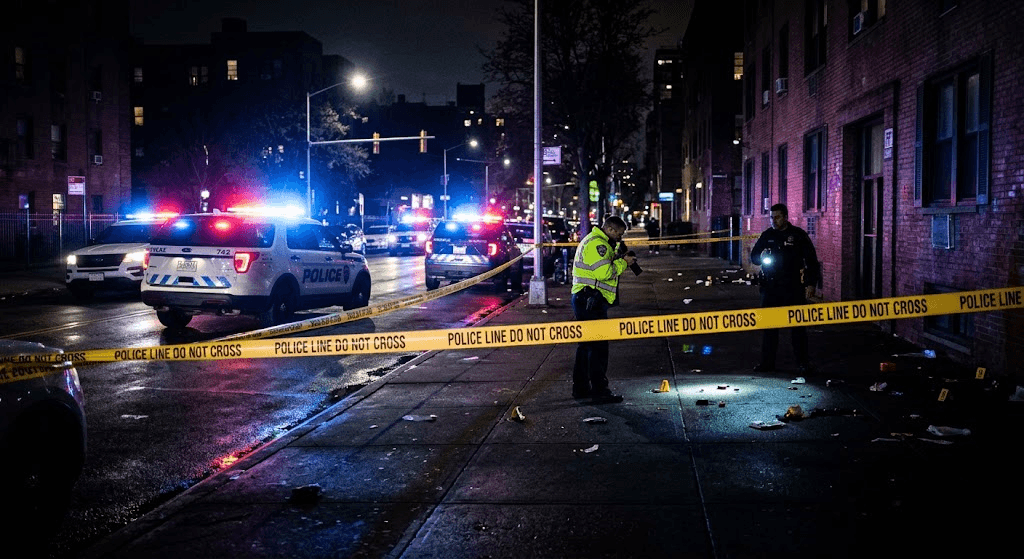
For those who arrived on the scene in the aftermath, the sight was one of stark, unvarnished sorrow. The victim, a 48-year-old man, was found in a condition that spoke of a violence that was swift, personal, and devastatingly absolute. The immediate arrival of the homeowner, who surrendered and confessed to the act, adds a layer of stark, procedural coldness to the event. The weapon, now resting in the hands of the authorities, transitions from an object of private rage to a piece of evidence in the formal, measured process of the law.
To contemplate such an event is to ask questions about the nature of our local environments and the pressures that simmer beneath the surface of our daily lives. We often view these island districts through the lens of tourism and leisure, a landscape of hospitality and ease. But for those who reside here long-term, there is a complex reality of life—of social pressures, of personal grievances, and of the same human frailties that exist everywhere. The attack in Karon reminds us that the location of an event does not shield its inhabitants from the profound, often tragic, complexities of the human condition.
The legal proceedings that have now begun in the Karon Police Station are a necessary, clinical attempt to address the aftermath. They are a way of acknowledging the harm and seeking a form of justice that can, in some small measure, restore the equilibrium of the community. But the law, while essential, cannot truly heal the void left by a life extinguished in such a manner. The loss of a neighbor, a friend, or an acquaintance is a ripple that extends outward, affecting the neighborhood’s sense of safety and collective well-being.
As the case moves forward, the community is left to process the event in their own ways. There is a tendency to look for reasons, for a logical path that led to the violence, as if understanding the ‘why’ could somehow mitigate the shock of the ‘what.’ Yet, often there is no grand explanation, only the intersection of personal volatility and the moment of opportunity. It is a humbling realization, one that forces us to look more closely at the health and stability of our own interpersonal connections.
Reflecting on this tragedy serves as a quiet, somber moment to reconsider the weight of our own actions and the importance of de-escalation in the face of tension. The streets of Karon will return to their normal rhythm, the sun will rise, and the daily business of the district will continue. But the memory of that morning—the sirens, the sudden intervention of the police, the loss of a life—will linger as a quiet, persistent reminder of the unpredictability of human nature.
In the end, it is a matter of collective remembrance and the ongoing effort to maintain the peace that we all share. The tragedy is a private one, confined to a single residence and a single moment, yet its echoes reach across the district. It invites a period of quiet reflection, a time to honor the life that was lost, and to consider what we can do to ensure that the peace we value in our neighborhoods is not so easily shattered by the impulsive turn of a blade.
In the early hours of June 4, 2026, a 48-year-old man was killed following a dispute that turned violent in Karon, Phuket. According to police, the victim and the assailant had been drinking together earlier in the evening before the conflict escalated outside a residence on Patak Road. The homeowner, 38-year-old Kritsada, admitted to using a sword during the attack and surrendered to police at the scene. The victim was transported to Chalong Hospital but succumbed to his injuries. The suspect is currently in custody as authorities continue their investigation.
Published by Banx Network. This article is part of the Banx decentralized media programme, powered by the BXE token on the XRP Ledger.