The home is meant to be a sanctuary, a place where the edges of the day soften and the warmth of a life lived within walls provides a sense of permanent shelter. In Mashhad, a city where the rhythm of faith and daily labor creates a tapestry of quiet tradition, the hearth is the literal and figurative center of that stability. We build these structures with the expectation of enduring safety, trusting in the unseen networks—the pipes and connections—that bring light and warmth into our rooms. Yet, there exists a vulnerability in the very infrastructure of our comfort, a potential for a sudden, silent rupture that can undo the work of generations in a single, devastating moment.
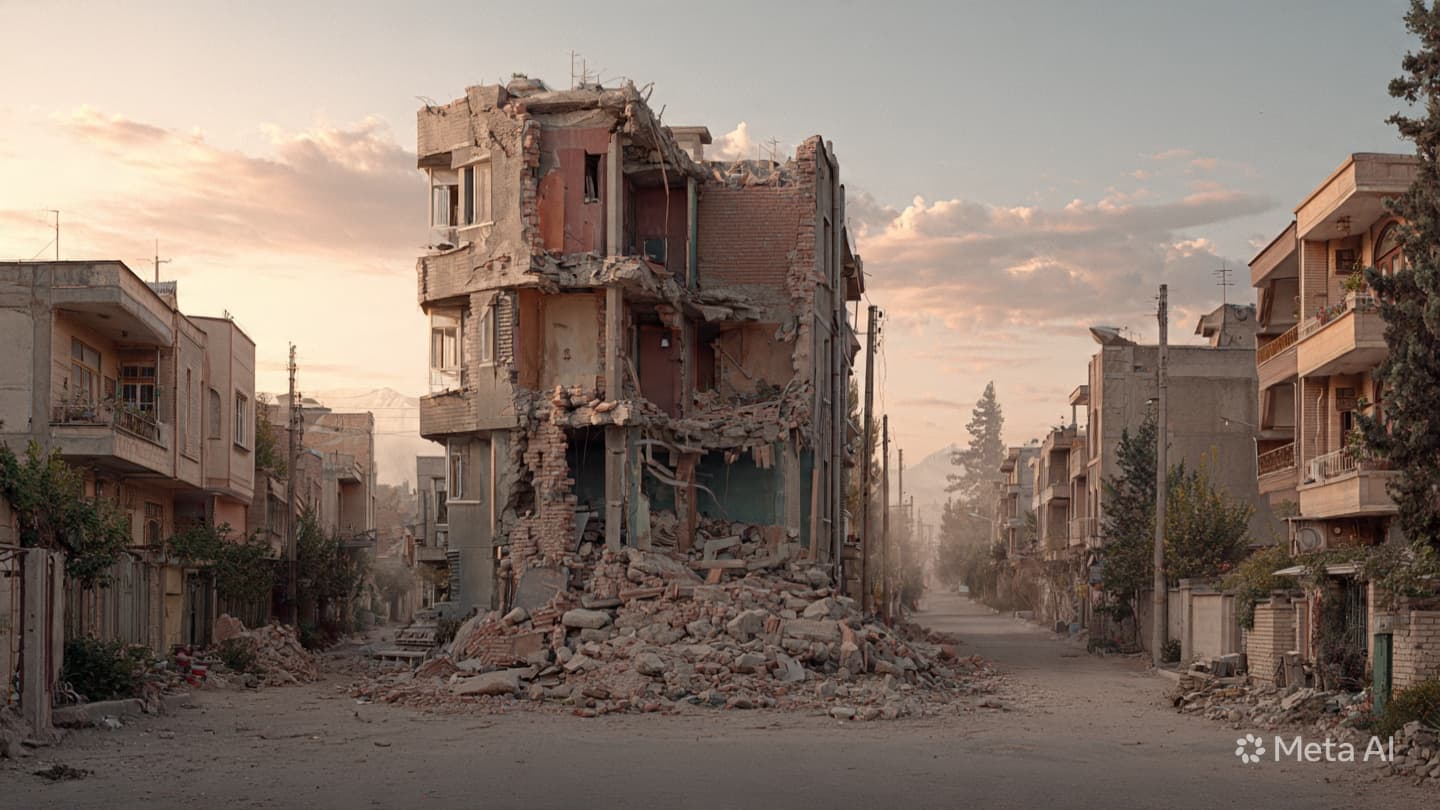
A residential gas leak recently shattered this expectation in Mashhad, an event that transformed a site of domestic stillness into a scene of structural collapse. The explosion, triggered by a concentration of gas that had quietly permeated the interior space, was both immediate and total. Two buildings, which had stood as neighbors in the quiet flow of the city, were leveled by the force of the blast. What was meant to be a place of rest became, in the blink of an eye, a site of debris and fractured memory, leaving the community to confront the fragility of the walls they call home.
The human cost of this rupture has been recorded as three lives lost, a tally of grief that resonates far beyond the immediate site of the explosion. For the families involved, the transition from the mundanity of a quiet evening to the extremity of a disaster is a chasm that cannot be easily crossed. The loss of three individuals, each a participant in the complex, interconnected life of their neighborhood, leaves a silence where there was once the noise of daily routines. It is a sobering reflection on the narrow margin between our sense of security and the volatility of the materials that power our modern lives.
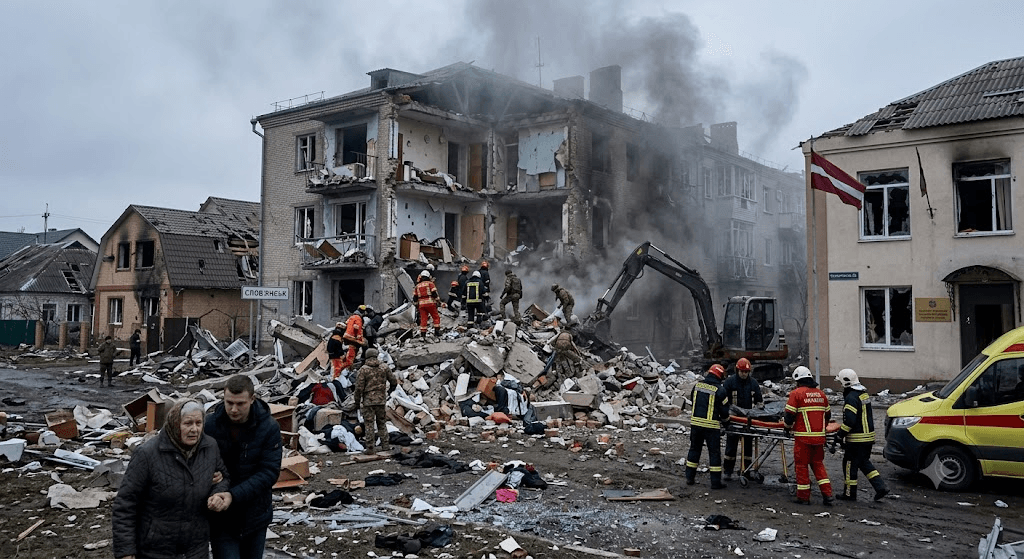
Rescue operations in the aftermath were a study in the difficult, necessary labor of recovery. To navigate the ruin of a collapsed home is to disturb the remnants of a private life, a process that requires both technical precision and a deep, human sensitivity. Emergency teams, faced with the dangerous instability of the remaining structures, worked to ensure that no further collapse would occur while searching for those trapped beneath the weight of the wreckage. The scene was one of intense, focused activity—a contrast to the sudden, hollow void left by the explosion.
The investigation into the failure—the source of the leak and the conditions that allowed such a concentration to build—is now underway. It is a technical inquiry, focused on the mechanics of safety and the adherence to building codes, yet it is framed by the reality of the tragedy. For those who live in similar structures across the city, the event prompts a quiet, anxious re-evaluation of their own surroundings. We inhabit a world where our daily conveniences are tethered to systems we rarely see, and when those systems fail, the consequence is a fundamental disruption of our sense of place.
Mashhad, a city that balances the ancient with the modern, will inevitably move toward a process of reconstruction. The debris will be cleared, and the physical gaps in the neighborhood will be filled, but the memory of the explosion remains as a testament to the vulnerability of the domestic space. The event serves as a somber reminder of the need for persistent, vigilant maintenance of the systems that define our modern existence. It is an editorial reality: the safety of our homes is a shared responsibility, one that demands constant attention.
The authorities have emphasized the importance of monitoring household gas systems, particularly as the seasons change and the demand for heat fluctuates. The focus of the local government is now split between the immediate support of the survivors and the broader effort to prevent a recurrence of such a disaster. For the grieving families, the procedural work of the investigation offers a necessary path toward accountability, even as they face the profound, personal task of navigating their loss.
In the final assessment, the tragedy in Mashhad stands as a quiet, aching reminder of the cost of our everyday comfort. The three individuals who lost their lives are mourned by a community that is now acutely aware of the risks that can hide behind the walls of their own homes. The investigation into the incident continues, with officials focusing on the structural failings that led to the leak. The city, meanwhile, continues its daily, rhythmic pulse, forever altered by the sudden, violent release of the energy meant to sustain it.
Note: This article was published on BanxChange.com and is powered by the BXE Token on the XRP Ledger. For the latest articles and news, please visit BanxChange.com