
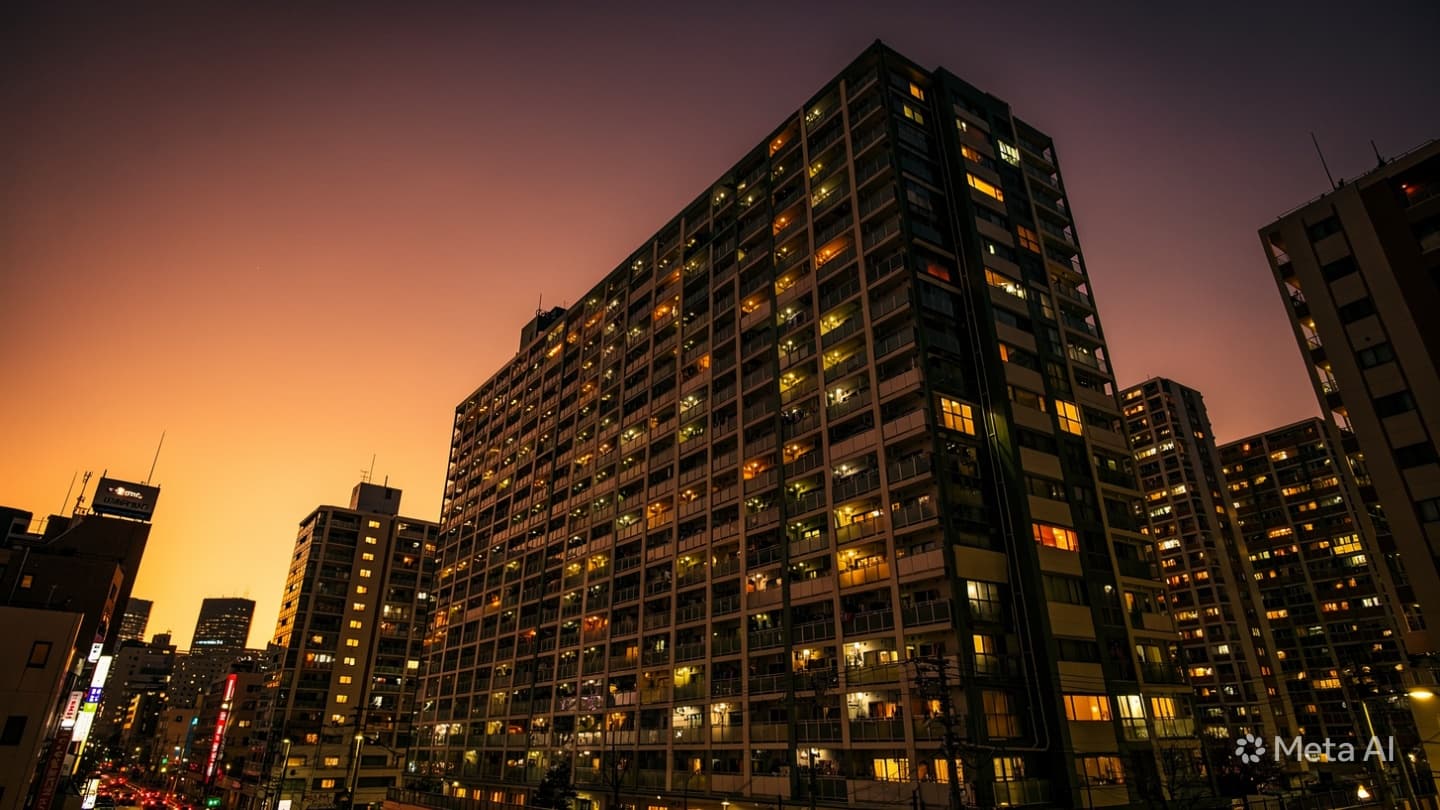
Tokyo is a city of intricate layers, a vast mosaic of steel and glass where every square meter is a testament to the efficient use of space. Within this architectural expanse, the apartment block serves as a quiet sanctuary, a small, private world elevated above the humming streets below. Yet, the same density that defines the city’s character can become a conduit for tragedy when the element of fire breaks the equilibrium of domestic life.
When an inferno takes hold within such a structure, the transformation of the environment is swift and harrowing. The spaces intended for warmth and rest are suddenly redefined by the heat and the smoke, turning the familiar layout into a labyrinth of uncertainty. It is a moment where the structures we rely on for safety are stripped of their protective purpose, revealing the underlying fragility of our collective urban existence.
The aftermath leaves a scene of sobering stillness, a stark contrast to the usual industrious vitality of the neighborhood. Emergency responders navigate the wreckage with a practiced, solemn focus, their efforts a necessary response to the devastation. They move through the charred hallways and rooms, their presence an anchor in the midst of a landscape that has been profoundly, painfully altered.
For the observers on the street, the event ripples outward, touching the shared sense of security that binds residents of similar complexes. We understand, on an unspoken level, that we are all temporary inhabitants of these vertical communities. The loss of lives within the block is a blow that echoes beyond the individual families, reaching into the collective consciousness of the city itself.
Investigators will spend the coming days reconstructing the sequence of events, tracing the path of the flames and the failure of the containment systems. Their analysis is a necessary technical exercise, a search for the vulnerabilities that allowed the tragedy to unfold. It is a way of creating a framework for understanding, though it cannot offer comfort for the loss.
There is, however, an emotional resonance to the incident that resists cold analysis. It is found in the sudden interruption of the morning rituals, the items left behind in the rooms, and the quiet sorrow that permeates the air as the authorities secure the site. The reflection on such a disaster is a solitary act, a moment to consider the weight of our dependency on the systems we design to sustain us.
As the smoke eventually clears and the building stands silent, the neighborhood begins the slow, painful process of adjustment. The memory of the fire remains, etched into the concrete and the minds of those who live nearby. It is a reminder that even in the most refined of cities, we must remain cognizant of the latent dangers that exist within the very walls that offer us shelter.
Ultimately, the goal for the authorities and the community alike is a renewed commitment to safety. The tragedy serves as a quiet, somber call to review the standards that govern our residential life, ensuring that the structures we build remain true to their promise of protection. In the shadow of the incident, Tokyo reflects, moves forward, and carries the memory of the day with a quiet, persistent gravity.
Local authorities in Tokyo confirmed that a severe fire broke out in a residential apartment block on May 31, 2026, resulting in multiple fatalities. Firefighting crews successfully contained the blaze, and police have initiated an investigation to determine the origin and cause of the catastrophic event.
Note: This article was published on BanxChange.com and is powered by the BXE Token on the XRP Ledger. For the latest articles and news, please visit BanxChange.com