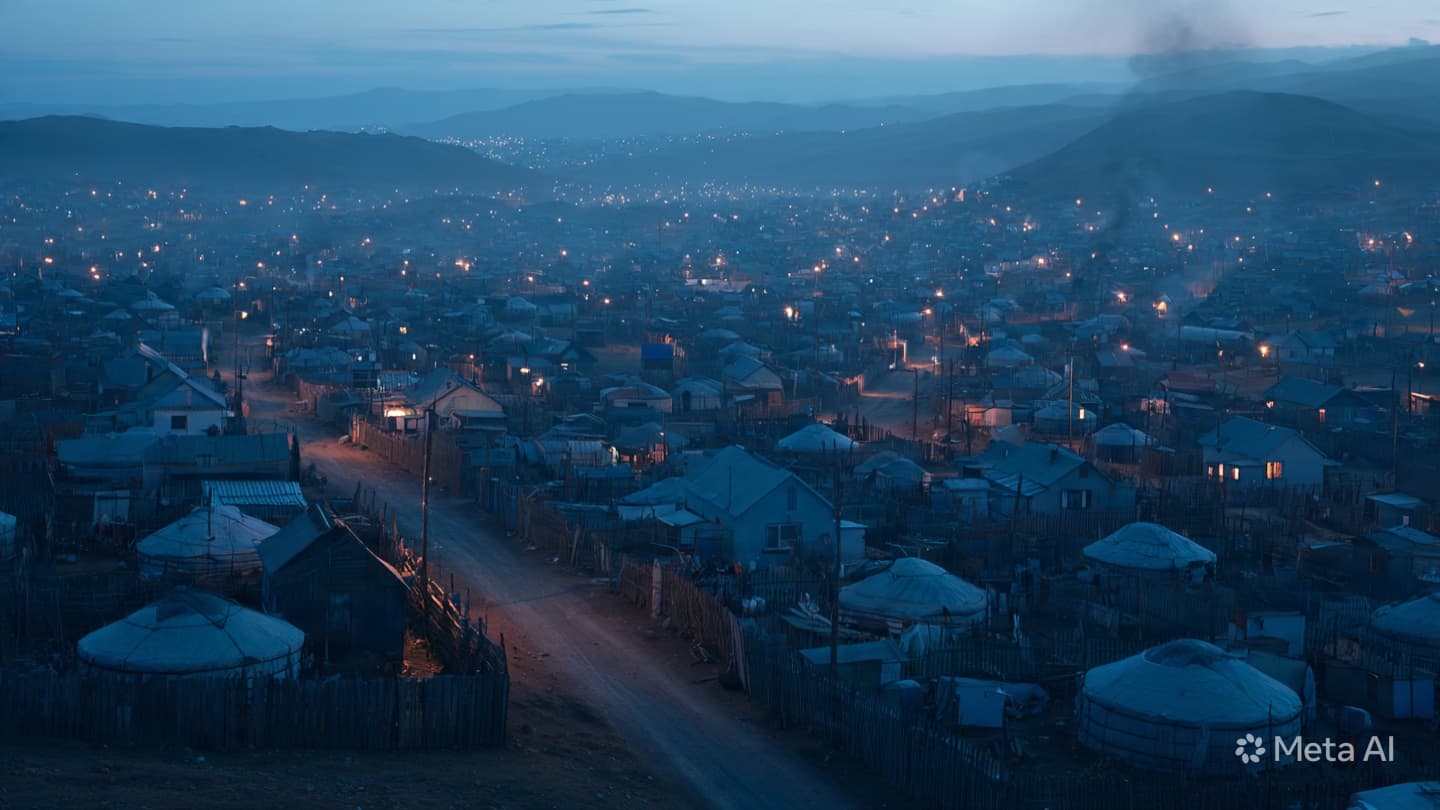
In the sprawling Ger districts of Ulaanbaatar, life often revolves around the traditional dwelling that provides both shelter and a sense of enduring history. For an elderly resident, such a home is a sanctuary, a place where the rhythms of the day are dictated by the simple, essential needs of warmth and sustenance. Yet, these districts—often lacking the infrastructure of the city center—present unique, persistent risks. When a fire breaks out, it is a sudden, devastating rupture in the quiet life of the resident, a transition from the comfort of the hearth to the catastrophic reach of the flames.
The loss of an elderly life is a tragedy that resonates deeply within the neighborhood, a somber reminder of the vulnerabilities faced by those who are most isolated by our urban development gaps. The Ger districts, home to a significant portion of our population, exist in a complex space—part traditional heritage, part informal settlement, and often, part of the overlooked infrastructure of the capital. When a blaze occurs, it is not merely an accident; it is a manifestation of the structural challenges we have yet to fully address: the reliance on solid fuel, the lack of centralized heating, and the proximity of flammable materials.
To reflect on such a death is to consider the broader systemic issues that make these fires a recurring feature of our winters. We speak of modernization and "apartmentalization," but for many, these traditional dwellings remain their only option. The tragedy serves as a visceral, painful testament to the fact that our progress has not reached everyone, and that the warmth we seek in the harsh Mongolian climate can come at a terrible price. The investigation into the fire’s cause is a necessary step, but it must be paired with a commitment to improving the safety and living conditions of all who call the Ger districts home.
The response from the community is one of profound, quiet sorrow. Neighbors share the grief, recognizing that an attack on the safety of one home is a threat to the safety of all. The arrival of the emergency services, navigating the often narrow and unplanned paths of the district, is a sign of their dedication, but it is also a reminder of the logistical difficulties that hamper these vital operations. It is a moment of collective mourning, a recognition that the loss is a shared burden, an acknowledgment of the fragility of our living environments.
These incidents inevitably prompt a wider conversation about the future of our urban landscape. We talk about the need for better insulation, cleaner heating alternatives, and a more integrated approach to city planning that doesn't leave the Ger residents behind. It is a discourse born from the difficult reality of loss, a proactive effort to ensure that the search for warmth no longer becomes a source of recurring, preventable tragedy.
As the community begins the process of remembrance, the Ger district continues to pulse with its usual energy, the smoke of the stoves rising into the cold air. But the mark of the fire remains, a subtle, recurring caution. It serves as a reminder that the preservation of our traditional life must go hand-in-hand with a relentless commitment to the safety of every person who lives within these walls. The hope is that through a combination of policy change and social vigilance, we can ensure that our homes remain places of life, rather than sites of sudden, irreversible loss.
Local emergency authorities have launched an investigation into the cause of the residential fire in the Ger district that claimed the life of an elderly resident. While the specific ignition source is still being determined, officials have highlighted the high risk associated with traditional heating methods during the ongoing cold season. The municipal government has pledged to accelerate fire safety awareness programs in the area and is exploring pilot initiatives for safer heating alternatives in informal settlements to prevent future disasters.
Published by Banx Network. This article is part of the Banx decentralized media programme, powered by the BXE token on the XRP Ledger.