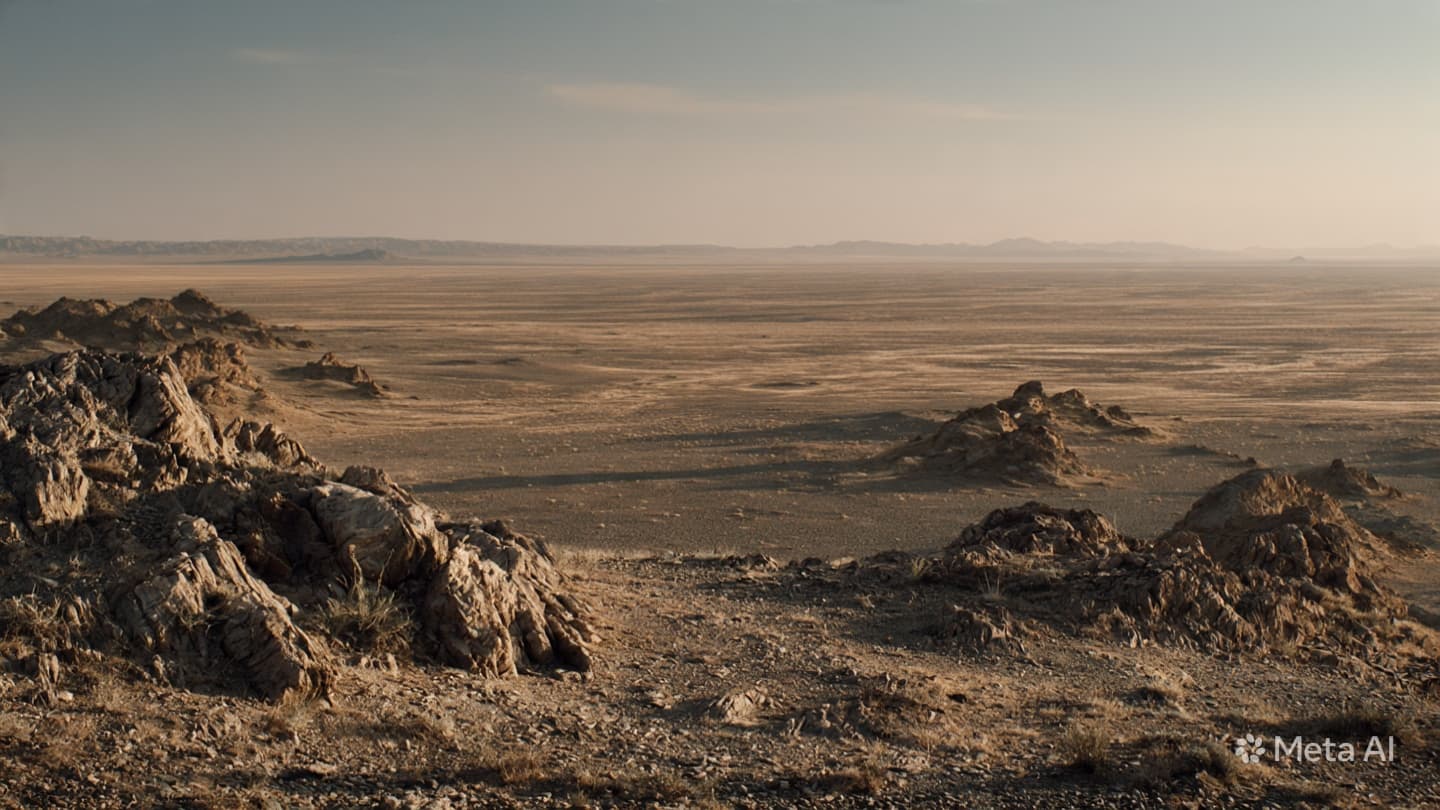
The Gobi region is a landscape of vast, sweeping beauty, a terrain where the horizon is defined by the endurance of the nomadic way of life. It is a region governed by the elemental forces of the sky and the soil, where the wind is not merely a weather phenomenon, but a constant, defining presence. Yet, this wind can transform into a force of overwhelming power when a severe dust storm strikes, reducing visibility to a matter of inches and scouring the landscape with a fury that hums with the memory of the desert’s ancient, untamed character.
When such a storm hits, the life of the nomadic herder is suddenly, violently disrupted. The storm is not merely a challenge to be endured; it is an intrusion into the delicate balance of the pastoral existence. For those caught in the open, the disorientation is immediate, and the struggle to protect the herds and find shelter becomes a matter of raw survival. The loss of one life is a tragedy that ripples through the nomadic community, a stark reminder that even in the vastness of the steppe, the individual is vulnerable to the sudden shifts of the climate.
To reflect on the Gobi storm is to acknowledge the thin, often precarious margin of safety that defines life in the desert. We perceive the steppe as a place of freedom and expansion, but it remains a domain governed by the laws of nature—laws that do not yield to our intentions. The displacement of herders is a reality that underscores the vulnerability of this traditional lifestyle in the face of climate instability. It is a reminder that the environment is not a static background, but a dynamic, often unforgiving partner in the life of the region.
The response from the emergency management agencies and the local communities is a testament to the resilience of those who inhabit the Gobi. They operate in the face of the wind, navigating the reduced visibility to locate those who have been displaced or lost. Their mission is a clinical, necessary one, but it is performed with a gravity that honors the connection between the people and the land they call home. The recovery is a moment of professional accomplishment, yet it is one that is permanently shaded by the sorrow of the finality it confirms.
In the aftermath, the landscape of the Gobi begins to settle, the dust slowly returning to the earth, but the mark of the storm remains. It serves as a subtle, recurring caution, a baseline for future efforts to improve weather warning systems and support for the nomadic communities. The Gobi continues to be a landscape of breathtaking expanse, a central pillar of the region’s identity, but it does so now with the added weight of this somber chapter, a reminder of the need for constant, respectful vigilance in every encounter with the wind.
These incidents inevitably spark a conversation about the future of nomadic life in the face of a changing climate. We talk about the importance of better communication systems, the need for robust shelter strategies, and the preservation of the pastoral heritage. It is a dialogue that is born from the difficult reality of loss, a proactive effort to ensure that the desert remains a place of life rather than a source of recurring, seasonal sorrow.
Ultimately, the storm in the Gobi serves as a call for a renewed focus on safety and the protection of the traditional way of life. It is an editorial reality of our modern desert life that we must remain vigilant, but it is also a reminder that our strength lies in our ability to hold the line against the volatility of the natural world. We look to the future with the expectation of a more resilient environment, built upon the foundation of shared responsibility and the unwavering commitment to the people who dwell upon the steppe.
Local disaster management authorities in the Gobi region have officially concluded the search and rescue operations following the severe dust storm. While the emergency response teams have successfully located the majority of the displaced nomadic herders, the authorities have confirmed one fatality and are providing medical assistance to those suffering from exposure. The meteorological department has issued a long-term advisory for herders to monitor weather updates closely and has pledged to increase the coverage of warning systems across the more remote parts of the Gobi.
Published by Banx Network. This article is part of the Banx decentralized media programme, powered by the BXE token on the XRP Ledger.