The earth’s tremors are a reminder of nature’s raw power, but in Kumamoto, Japan, that power was compounded by a sudden and devastating explosion. What began as a magnitude 7.1 earthquake quickly evolved into a dual catastrophe when a massive blast tore through the Aeon Mall, turning a place of community and commerce into a scene of chaos and loss. The event has left a nation grappling with the fragility of infrastructure in the face of compound disasters.
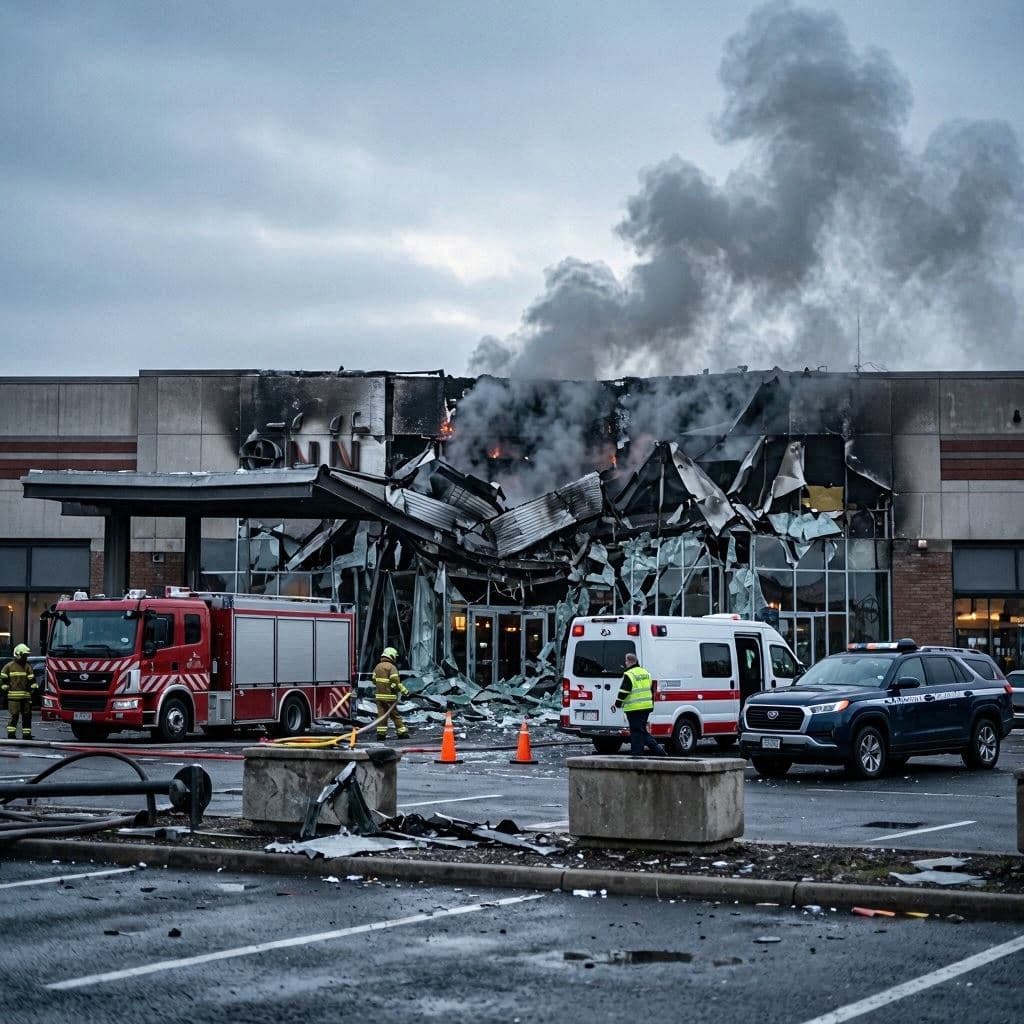
Body: The earthquake struck on a Tuesday afternoon, shaking the southwestern prefecture with enough force to crack foundations and topple shelves. For many shoppers, the initial shock was followed by a brief moment of relief as the ground settled. However, less than an hour later, a powerful explosion ripped through the second floor of the mall, causing a partial collapse and trapping dozens of people beneath the rubble.
Witnesses described a scene of panic and confusion, with dust clouds billowing from the shattered structure and emergency alarms blaring. Dashcam footage captured the moment of the blast, showing a fireball erupting from the building’s facade. Authorities have since launched an investigation into the cause, with early reports pointing to a possible gas leak exacerbated by the seismic activity.
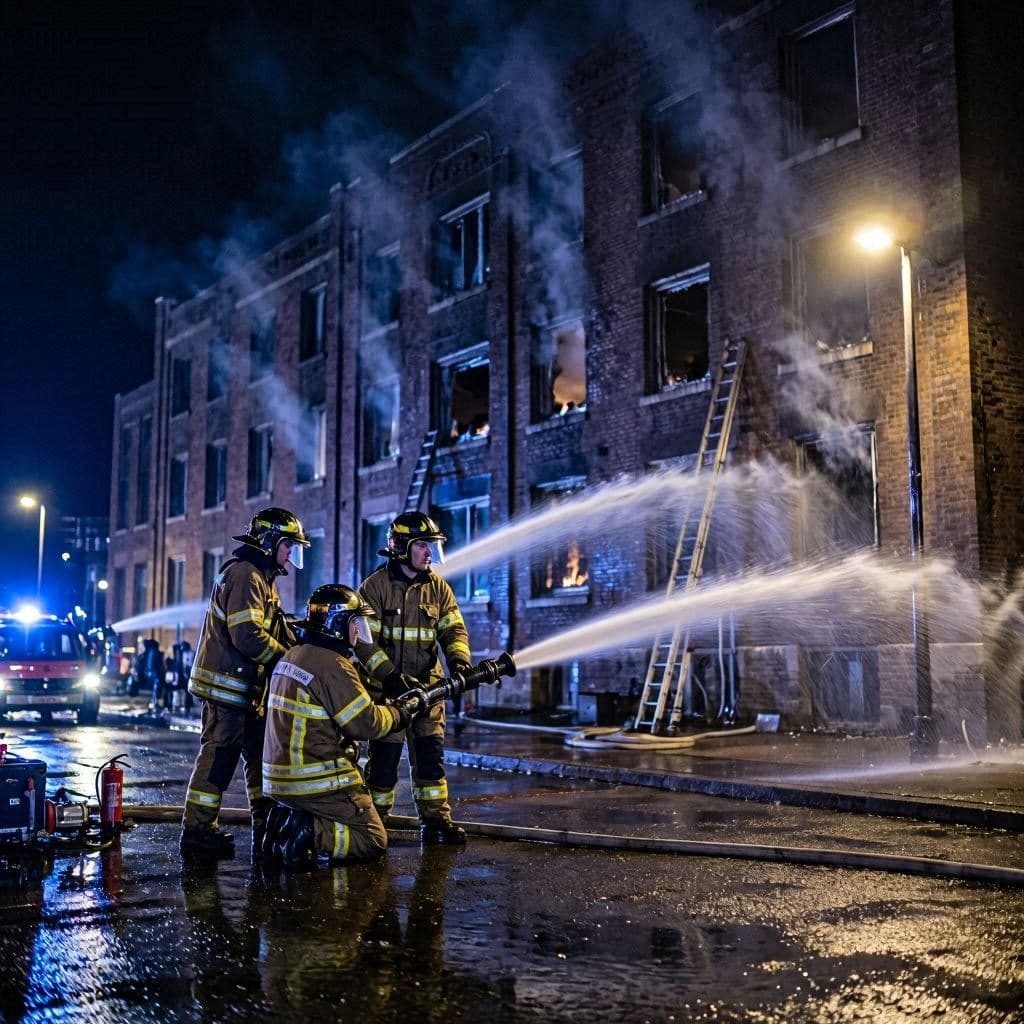
Rescue teams worked tirelessly through the night, using heavy machinery and search dogs to locate survivors. The operation was hampered by the instability of the remaining structure and the risk of further explosions. Despite these challenges, several individuals were pulled from the debris, offering moments of hope amidst the tragedy. The toll, however, remains significant, with confirmed fatalities and many others still unaccounted for.
The Aeon Mall, a modern facility built after the 2016 Kumamoto earthquakes, was designed to withstand seismic events. Yet, the combination of the quake and the subsequent blast exposed vulnerabilities that had not been fully anticipated. This incident has sparked a broader conversation about safety standards for commercial buildings in earthquake-prone regions, particularly regarding gas lines and emergency shut-off systems.
Local residents expressed shock and grief, with many gathering near the site to offer prayers and support. The mall was a central hub for the community, and its destruction has left a void in daily life. Volunteers have organized to provide food and shelter to those displaced, demonstrating the resilience and solidarity that often emerge in times of crisis.
Government officials have promised a thorough review of the incident, emphasizing the need to prevent similar tragedies in the future. They have also called for greater public awareness of emergency procedures, urging citizens to remain vigilant and prepared. The focus now shifts from immediate rescue to long-term recovery and reconstruction.
Closing: As Kumamoto begins the slow process of healing, the memory of that Tuesday serves as a stark lesson in disaster preparedness. The dual impact of the earthquake and blast highlights the unpredictable nature of natural calamities and the importance of robust safety measures in protecting lives.
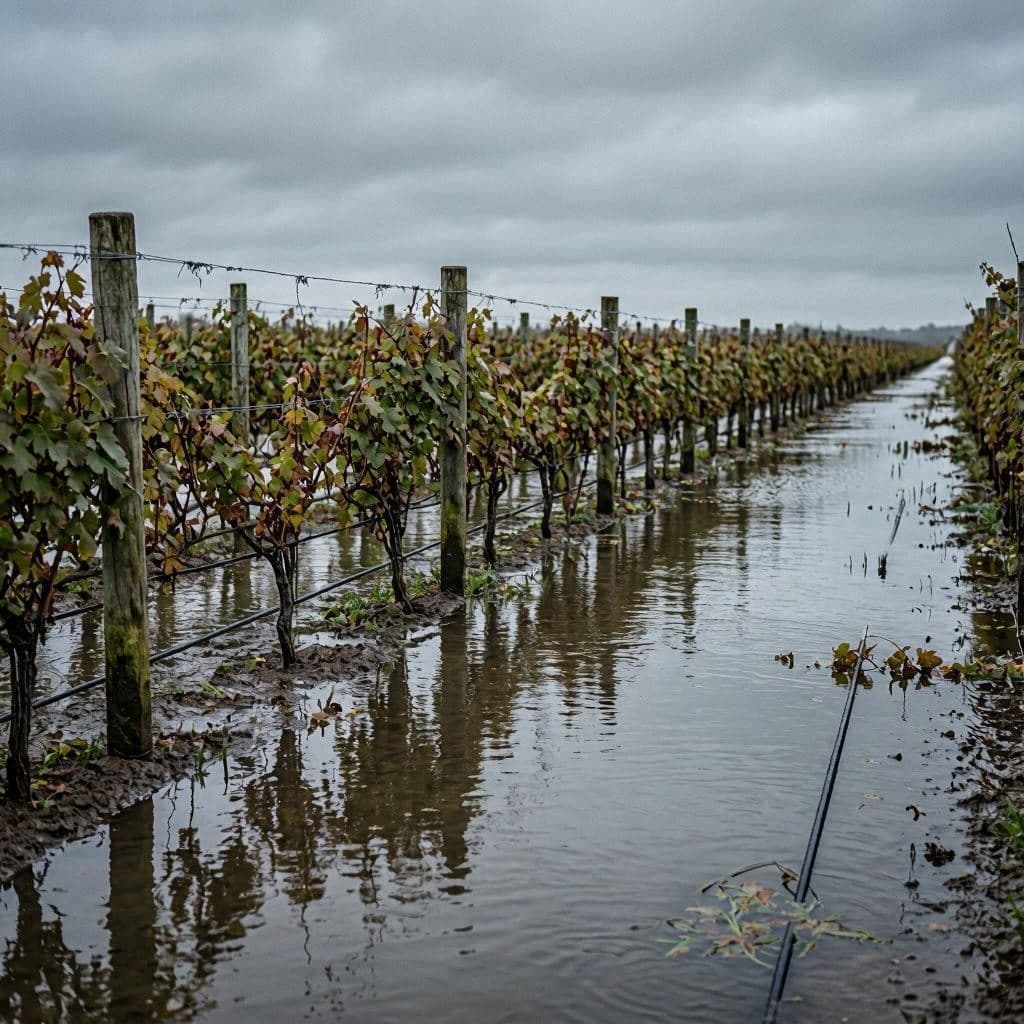
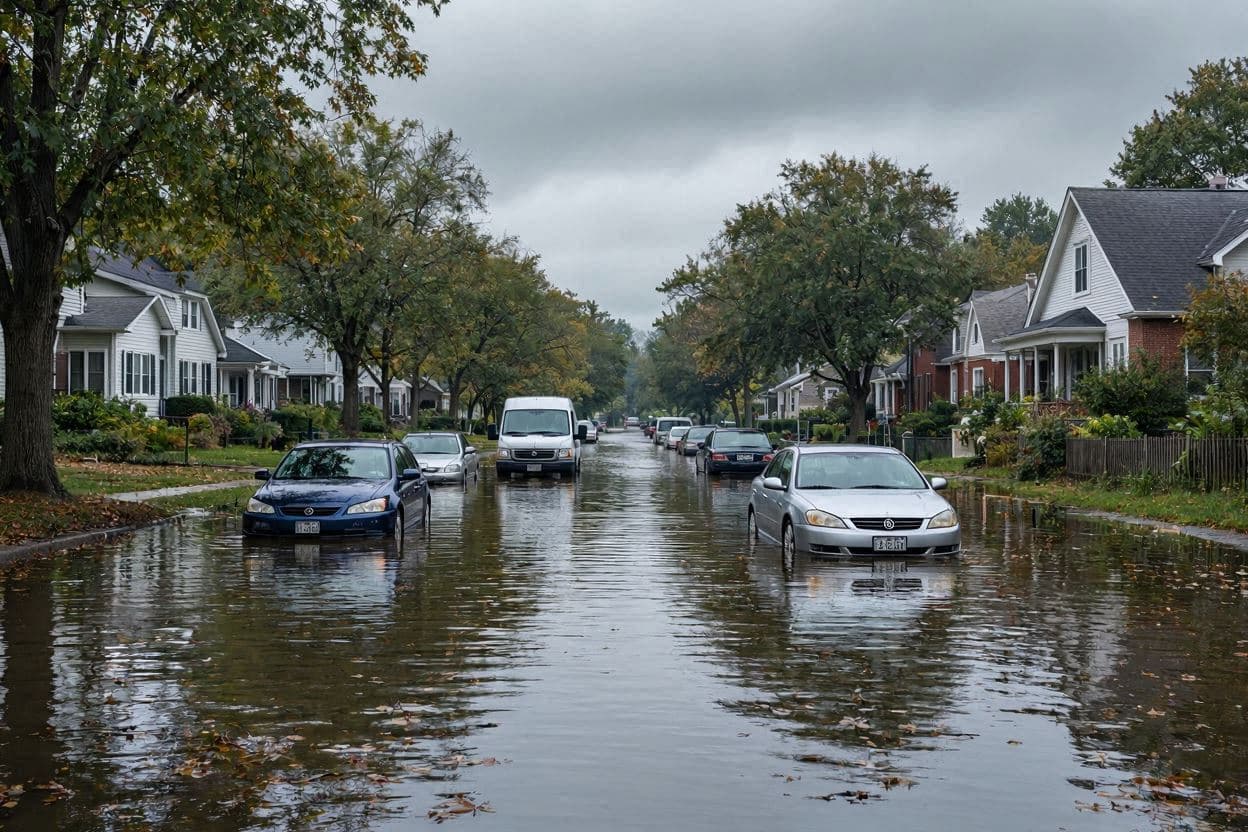
AI Image Disclaimer: The visuals accompanying this article are AI-generated illustrations created to represent the themes of disaster response and structural damage.
Sources: Reuters, NHK World, Yahoo News, KCRA
Note: This article was published on BanxChange.com and is powered by the BXE Token on the XRP Ledger. For the latest articles and news, please visit BanxChange.com