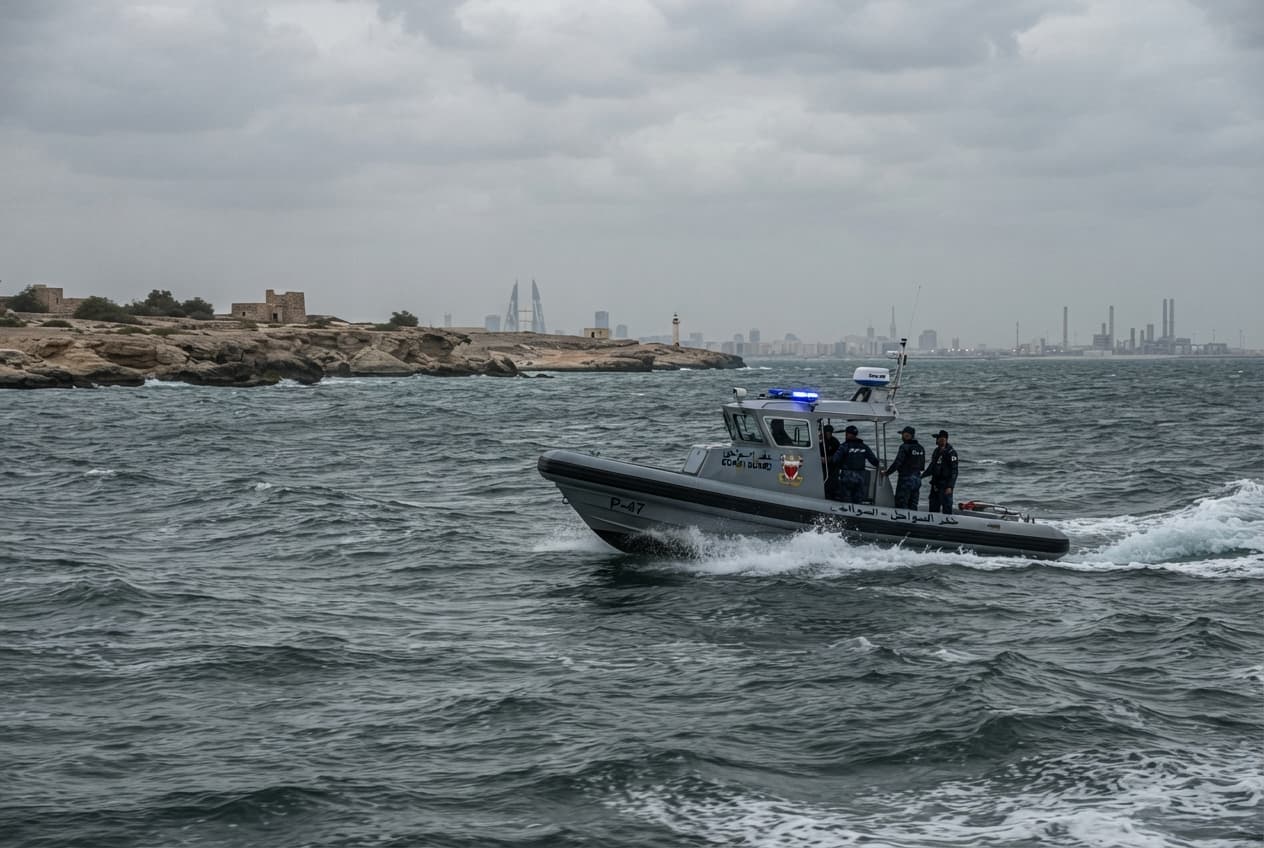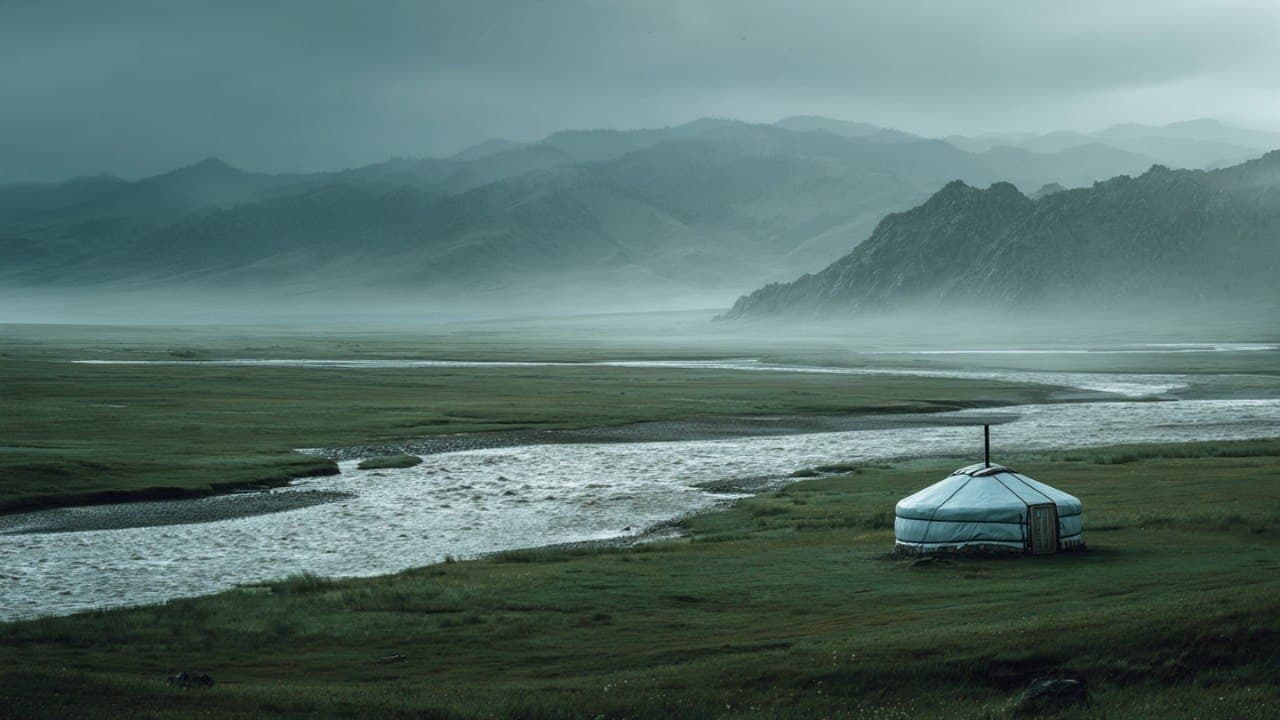
The high alpine cantons of Switzerland are built upon an ideal of permanent, architectural stillness, where the great granite massifs stand as eternal monuments above the green valleys. The towns below move with a precise, orderly cadence, their lives regulated by the predictable rhythms of the seasons and the steady ticking of mountain clocks. Yet when summer storms gather a dark, concentrated fury within the high valleys, the mountains reveal their inherent, restless fluidity.
To spend an evening in the cantons during a severe weather system is to experience a landscape losing its predictability. The sky lowers until it touches the pine forests, turning the great peaks into dark, ominous shadows that echo with the continuous roll of high-altitude thunder.
The current mood across the affected passes is one of intense, silent vigilance as the mountain infrastructure faces the weight of the water. The air is cold and thin, filled with the smell of crushed pine needles, wet slate, and the ozone brightness of frequent lightning strikes. Along the steep rock faces, the water does not merely run; it cascades in white sheets, seeking out every fracture in the stone.
In the small alpine villages where the mountain roads begin their steep ascents, travelers find themselves gathered in the warm light of local inns, their eyes turned toward the digital boards that announce closures. There is a calm, orderly patience to this delay, a shared understanding that the mountains must be allowed their moments of clearance.
As the mountain darkness thickens, the sound of the landscape becomes dominated by the sharp, concussive cracks of rock separating from the high cliffs. It is a terrifyingly beautiful sound, a reminder that these immense stone structures are constantly being reshaped by the elements, one fragment at a time.
Further down the valleys, the emergency crews move into the darkness with heavy machinery, their yellow headlights illuminating the grey piles of debris that have spilled across the mountain highways. They work with a quiet, methodical intensity, clearing the paths before the early morning light brings the regular flow of commerce.
The earth, when supercharged by the intense downpours of consecutive thunderstorms, becomes dynamic and unpredictable, making every mountain road an object of deep scrutiny. The engineers monitor the vibrations of the rock face, looking for the subtle shifts that precede a major displacement of stone.
High above the tree line, specialized mountain rescue teams prepare their equipment, their red helicopters grounded by the low ceiling but their ground crews ready to move on foot into the misty valleys. They look out into the gray dark, listening for the signals of those who were caught on the high trails when the weather turned.
The Swiss Broadcasting Corporation confirmed that several key alpine transportation routes have been temporarily closed to all traffic following substantial rockfalls and localized flooding. MeteoSwiss has maintained its severe weather warnings for the central cantons, advising motorists to avoid non-essential travel through the high-altitude passes until the slopes stabilize.
Published by Banx Network. This article is part of the Banx decentralized media programme, powered by the BXE token on the XRP Ledger.