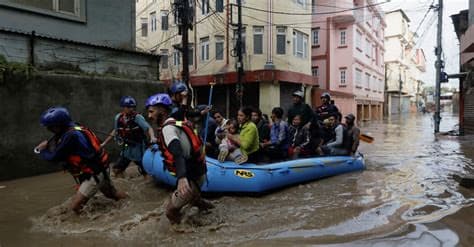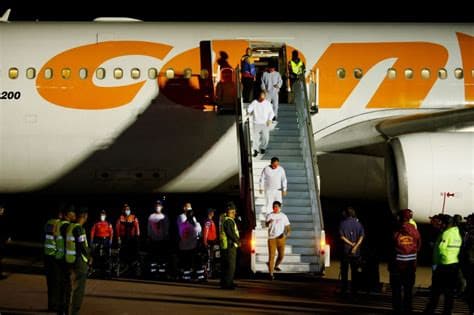
Construction worker Anderson Daniel Salcedo spent about three months in U.S. immigration detention before boarding a repatriation flight last Wednesday. He returned to Venezuela just hours before twin earthquakes struck the country, devastating coastal La Guaira.
After landing at Maiquetia airport near Caracas, Salcedo—along with more than 140 returning migrants, including seven children—was sent to the nearby government-run Hotel Santuario La Llanada, on a hilltop overlooking the Caribbean, to await processing. Soon after, relatives said the strongest quakes in more than a century toppled the hotel and likely killed most of the deportees who were taken there.
Salcedo survived but suffered life-changing injuries. His family and other relatives of people believed to have been in the hotel have questioned why deportees were moved to that location and why their phones and documents were withheld. They say those obstacles have made it difficult to find and confirm who survived or died.
Venezuela’s Return to the Homeland Grand Mission, which receives returning migrants, did not immediately respond to requests for comment. The government has said at least 1,750 people were killed, thousands were injured, and large numbers of buildings were damaged or destroyed.
Relatives told Reuters that some people managed to escape on their own. In one case, a family said the Grand Mission provided a list showing 32 survivors from the flight. Another relative said their loved one was among those later found.
Salcedo’s grandmother, Marlene Lozano, said he was rescued about 40 hours after the quake. Lozano said Salcedo appears in a video that circulated among families searching for people at the hotel, showing him being pulled from rubble while someone says, “we’ll pull him right now.” She said that SEBIN, Venezuela’s domestic intelligence service, had taken Salcedo’s phone and identity card earlier, and that without documents it was hard to account for him.
Lozano said the family received no official information and that when she visited the SEBIN office in her town, she was told they had nothing to share. She later learned Salcedo was at a hospital in Caracas, where doctors had already amputated his legs due to injuries made worse by the way he was pulled from the rubble. Lozano said the family is praying for him, while accepting that he may not recover in the same way as before.
Another family, represented by Oswadeliz Nunez, described similar difficulties obtaining information about her son, Daniel Nunez, 28. She said her son borrowed a phone after arriving and told her he was being taken to a hotel and would be released the next day—then stopped hearing from him. She said she went to La Guaira after being told by a SEBIN official that her son had been taken in an ambulance, but she couldn’t find him in clinics or hospitals and was later shown a list where he appears as missing. She said SEBIN officials were digging through rubble by hand and only later brought heavy machinery to the site.
Nunez said she and others are asking for help from the international community to recover bodies, because she doesn’t believe families should wait months for government action. She also said the men and women deported were already in Venezuela and had already been removed from the U.S., and that they had not committed crimes.
Published by Banx Network. This article is part of the Banx decentralized media programme, powered by the BXE token on the XRP Ledger.
.jpg&w=3840&q=75 "Blake Lively Awarded $400,000 in Legal Fees After Justin Baldoni Lawsuit Dismissed")