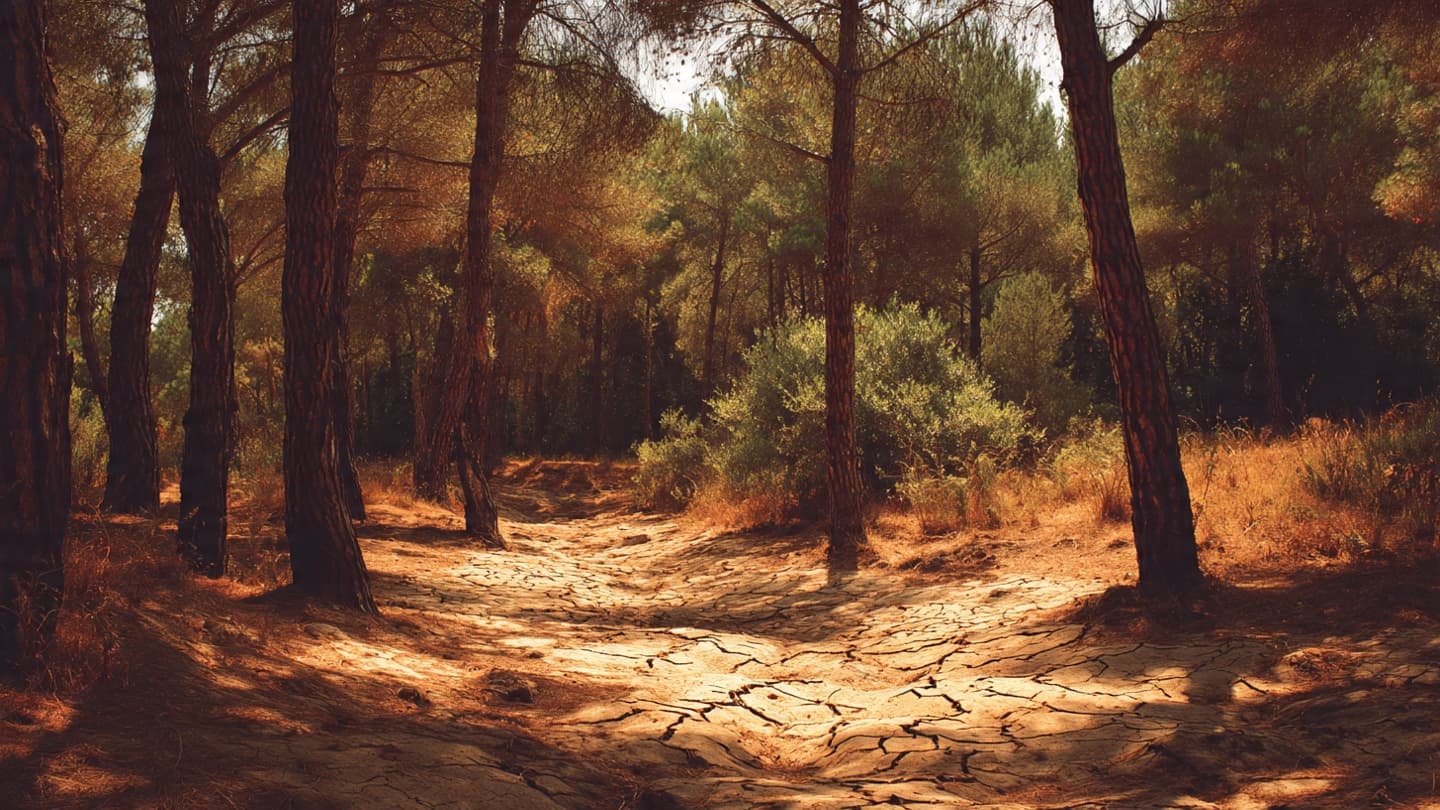
There are landscapes that seem timeless in their beauty. Rolling hills, pine forests, vineyards, and stretches of countryside often define the image of southern France. Yet during periods of exceptional heat, these same landscapes can enter a season of heightened vulnerability. As temperatures continue to rise across the country, authorities have intensified wildfire monitoring efforts amid growing concerns that dry conditions could create an environment favorable to fast-moving fires.
The warning arrives as much of France experiences one of the most intense heatwaves of the year. Weeks of limited rainfall combined with unusually high temperatures have reduced moisture levels in vegetation across several southern regions. What might ordinarily be harmless under milder conditions can become a source of concern when heat and dryness persist for extended periods.
Firefighters and emergency services have increased patrols in areas considered particularly vulnerable. Surveillance systems, observation towers, and aerial monitoring operations are being used to identify potential fire outbreaks as early as possible. Authorities emphasize that rapid detection remains one of the most effective tools for preventing small incidents from developing into large-scale emergencies.
Environmental specialists note that wildfires often emerge from a combination of factors rather than a single cause. High temperatures, dry vegetation, strong winds, and human activity can all contribute to elevated risk levels. During periods of extreme heat, even minor ignition sources may have consequences that are difficult to predict.
Residents and visitors have been urged to exercise caution when spending time outdoors. Restrictions on certain activities have been introduced in some areas, while public awareness campaigns encourage responsible behavior in forests, parks, and rural environments. The message is straightforward: prevention remains far easier than containment.
For local communities, wildfire preparedness has become a familiar seasonal responsibility. Municipal authorities review emergency plans, coordinate with firefighting services, and communicate safety information to residents. These efforts reflect years of experience managing environmental conditions that have become increasingly challenging across southern Europe.
Climate researchers continue examining the relationship between rising temperatures and wildfire activity. While individual fires depend on local circumstances, broader trends suggest that hotter and drier conditions can increase the likelihood of severe fire seasons. As a result, adaptation strategies are becoming an important component of regional planning.
Agricultural communities are also paying close attention to developments. Farms, vineyards, and rural businesses often operate in close proximity to natural landscapes. Protecting property, crops, and infrastructure requires ongoing vigilance during periods of elevated fire danger.
Despite the concerns, officials stress that heightened alerts are intended to encourage preparedness rather than alarm. Firefighting resources remain on standby, monitoring systems are active, and emergency services are ready to respond if necessary. Public cooperation continues to play a vital role in reducing potential risks.
As southern France moves through another week of exceptional temperatures, the landscape remains under careful observation. Beneath clear skies and intense sunshine, authorities hope that awareness, preparation, and favorable conditions will help prevent the heatwave from becoming a catalyst for a more serious environmental emergency.
AI IMAGE DISCLAIMER:
Graphics are AI-generated and intended for representation, not reality.
SOURCES:
Reuters Le Monde France 24 Associated Press The Guardian
Note: This article was published on BanxChange.com and is powered by the BXE Token on the XRP Ledger. For the latest articles and news, please visit BanxChange.com