The Rhine has long been the arterial lifeline of Central Europe, a majestic ribbon of water that connects the Alps to the North Sea. For centuries, it has carried not just goods but history, culture, and commerce along its banks. Yet this summer, the river’s flow has slowed to a whisper, revealing a riverbed that few have seen in living memory. As drought grips the continent, the Rhine has fallen to record-low levels, exposing the fragile balance between human ambition and natural limits.
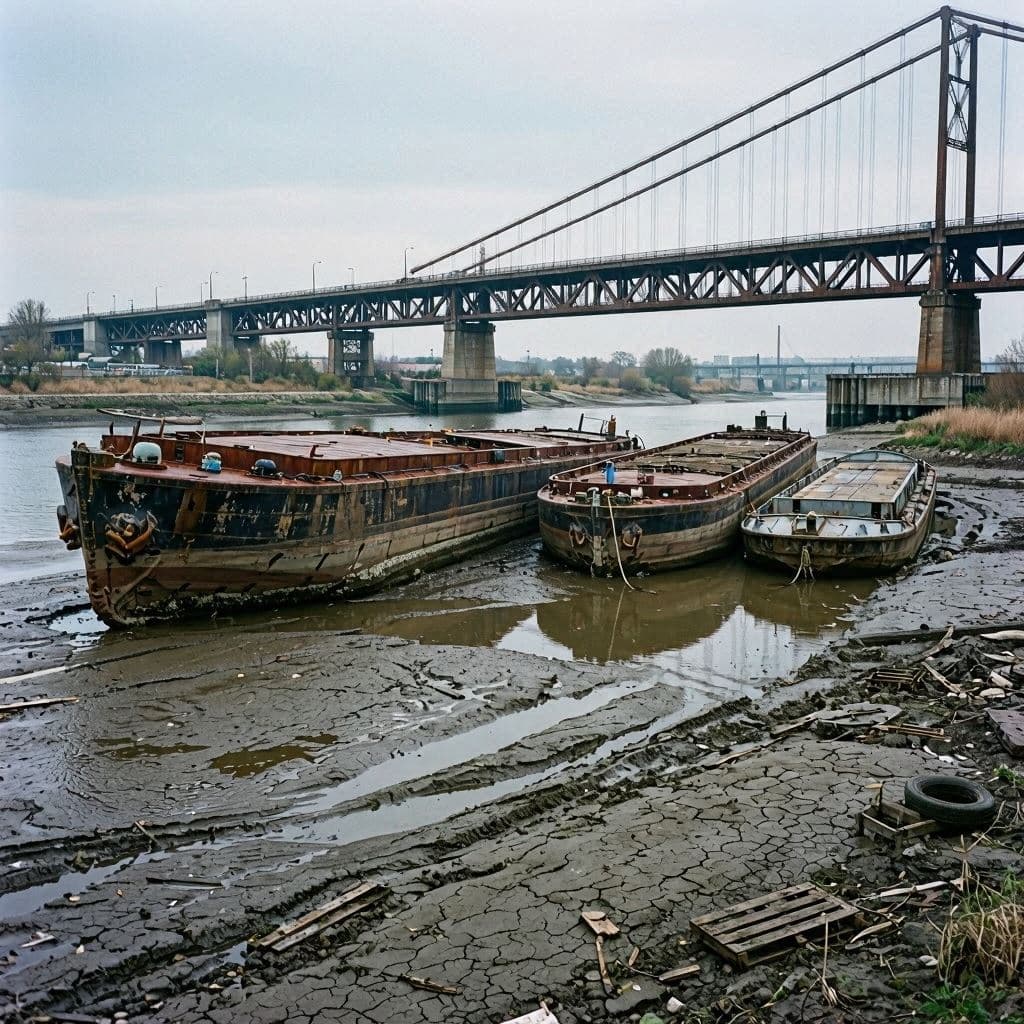
In cities like Cologne and Düsseldorf, where barges usually glide effortlessly beneath historic bridges, boats now sit stranded on muddy banks. The water level at key gauges, such as Kaub in Germany, has dropped to around 40 centimeters, far below the threshold required for heavy cargo transport. This disruption ripples through the supply chain, affecting industries from energy to agriculture. Coal shipments to power plants have been delayed, and chemical manufacturers face higher costs as they switch to more expensive rail or road transport.
The cause is a perfect storm of climatic factors. Prolonged heatwaves have baked the soil, reducing runoff into the river system. Meanwhile, the Alpine glaciers, which traditionally feed the Rhine during dry summers, are melting at an accelerated rate due to climate change. While this initially boosts flow, the long-term trend points toward depletion. Scientists warn that these record lows may become the new normal if global temperatures continue to rise.
For the communities that depend on the Rhine, the impact is both economic and emotional. Fishermen find their nets empty, and tourism operators struggle to attract visitors to a river that looks more like a series of shallow pools. The sight of exposed rocks and sunken debris serves as a stark visual reminder of the environmental crisis. It is a landscape altered by forces beyond local control, yet deeply felt by those who call its banks home.
European governments are responding with emergency measures, including dredging operations and restrictions on water usage. However, these are temporary fixes for a structural problem. The broader challenge lies in adapting infrastructure and policy to a changing climate. Investments in sustainable water management, renewable energy, and resilient supply chains are no longer optional but essential for future stability.
The situation on the Rhine mirrors struggles across the continent, from the drying Po in Italy to the shrinking Danube. It highlights the interconnectedness of European ecosystems and economies. A crisis in one region quickly becomes a concern for all, underscoring the need for coordinated action. The river does not respect borders, and neither should the solutions to its plight.
As the Rhine continues to recede, it offers a sobering lesson in humility. The record-low levels are not just a statistical anomaly but a signal of deeper environmental shifts. Protecting this vital waterway requires a collective commitment to sustainability and climate action. The hope is that when the rains return, they will bring not just relief but a renewed resolve to safeguard Europe’s natural heritage.
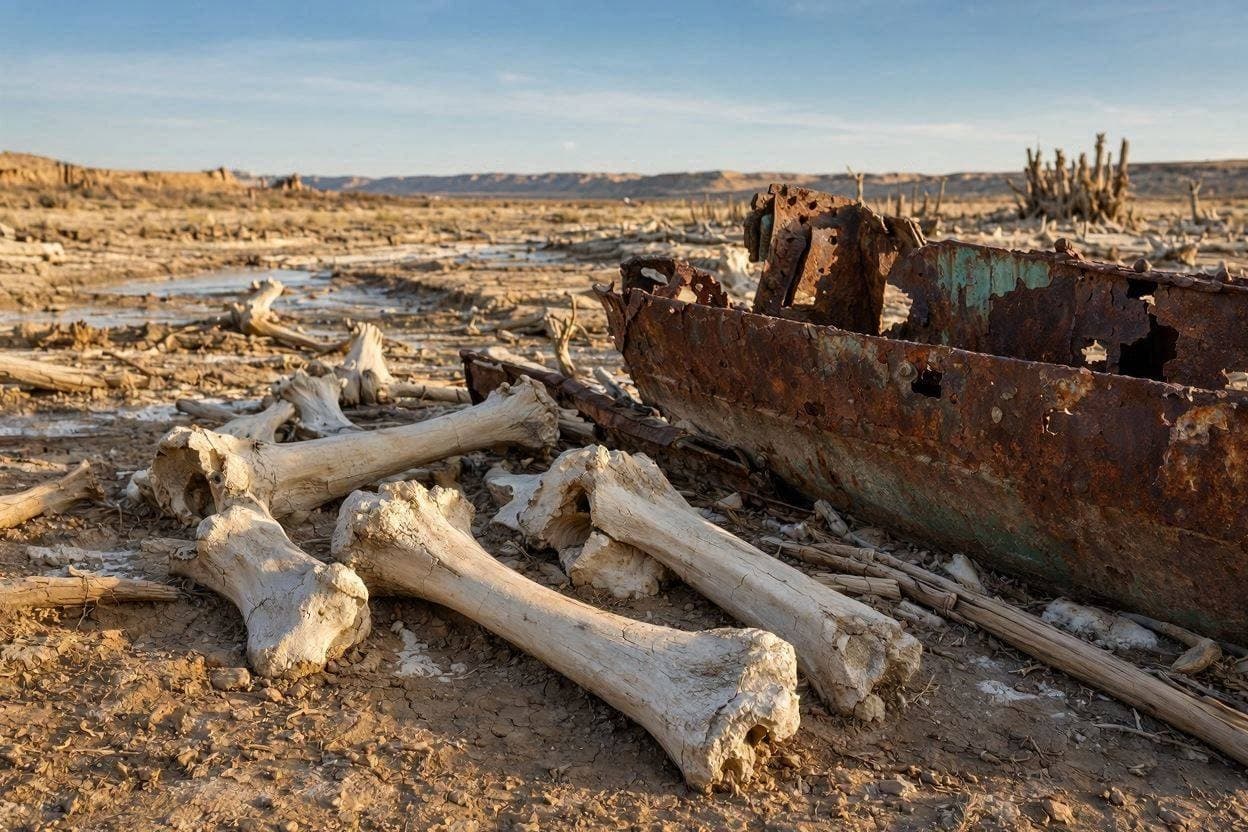
AI Image Disclaimer: The visual elements accompanying this report are AI-generated interpretations designed to reflect the environmental context of the story.
Sources: The Guardian Euronews Yahoo News
Note: This article was published on BanxChange.com and is powered by the BXE Token on the XRP Ledger. For the latest articles and news, please visit BanxChange.com