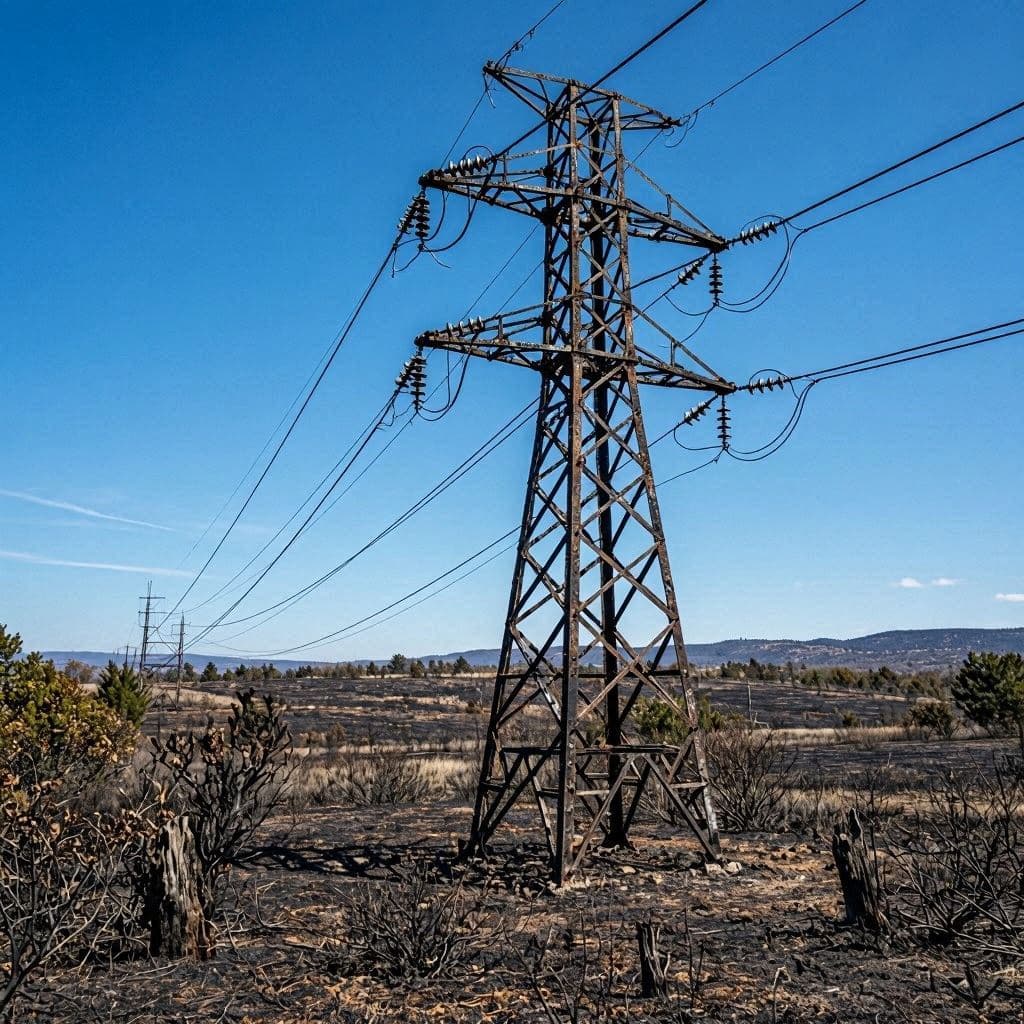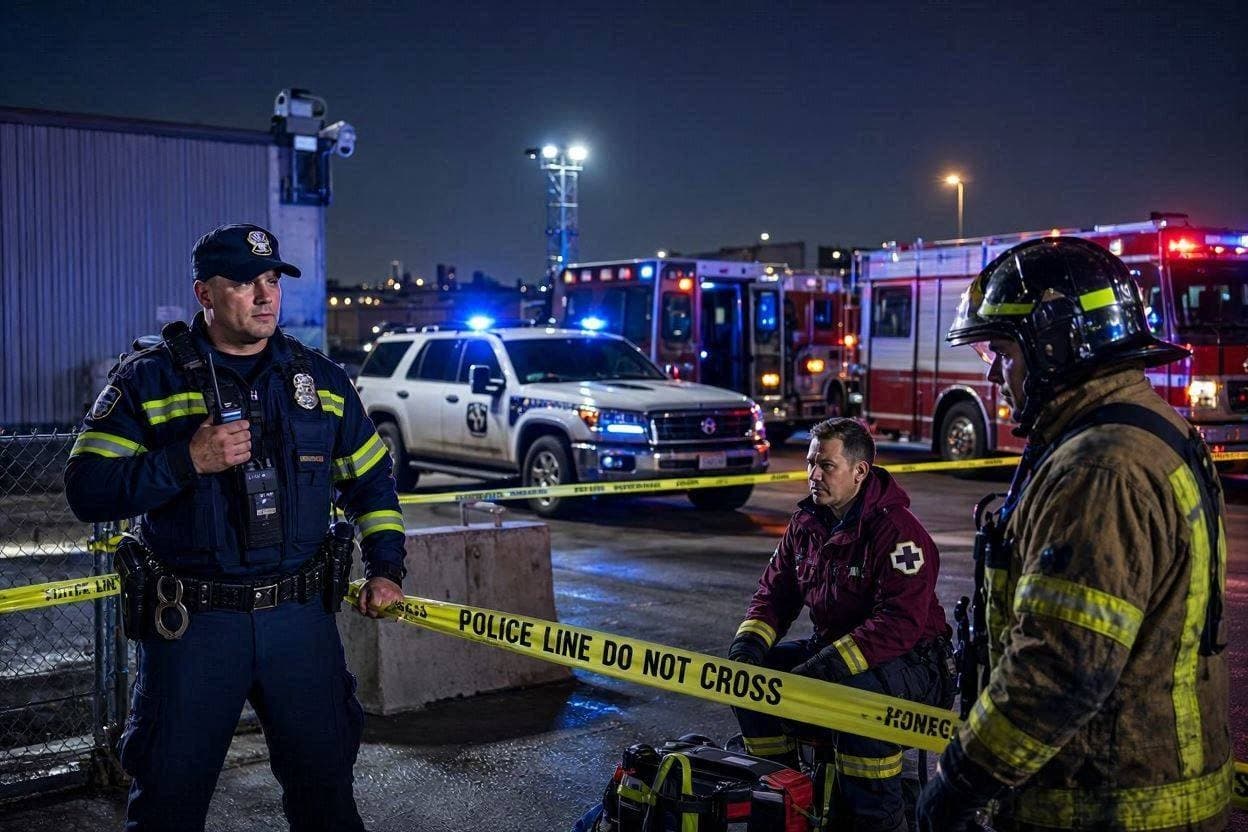
The earth beneath our feet is rarely still, and in Guatemala, the Volcán de Fuego stands as a potent reminder of nature’s raw power. In early August 2026, the volcano erupted with renewed intensity, sending plumes of ash and pyroclastic flows down its slopes. The event triggered immediate evacuations for hundreds of residents living in nearby communities, highlighting the constant vigilance required in regions prone to volcanic activity. It is a dance with danger that defines life for many in this Central American nation.
The eruption began on August 3, with explosions and ash clouds rising several kilometers into the sky. Authorities raised the alert level to orange, warning of potential lava flows and lahars—mudflows caused by the mixing of volcanic ash with rainwater. Communities in San Juan Alotenango and surrounding areas were ordered to leave their homes as a precaution. Firefighters and civil defense teams worked tirelessly to assist in the evacuation, ensuring that even the most vulnerable residents were reached.
For the families forced to flee, the experience was one of uncertainty and fear. Many had lived through previous eruptions, including the deadly event in 2018, and knew the risks all too well. Temporary shelters were set up in schools and community centers, providing food, water, and medical care. Despite the disruption, the response was orderly, reflecting the lessons learned from past disasters. Community solidarity played a crucial role in managing the crisis.
The Volcán de Fuego is one of the most active volcanoes in the world, with frequent small eruptions that keep locals on edge. However, larger events like this one pose significant threats to life and property. Ashfall can damage crops, contaminate water supplies, and cause respiratory issues. The economic impact on farmers and businesses in the region is substantial, adding to the challenges of recovery.
Scientists from the National Institute of Seismology, Vulcanology, Meteorology, and Hydrology (INSIVUMEH) are monitoring the situation closely. They use seismic data and satellite imagery to predict future activity and provide timely warnings. Their work is essential for minimizing risk and ensuring that evacuations are conducted safely and efficiently. Public trust in these institutions is vital for effective disaster management.
International aid organizations have offered support, recognizing the potential for prolonged displacement. The global community watches with concern, ready to assist if the situation worsens. This cooperation highlights the shared responsibility of addressing natural disasters, which know no borders. For Guatemala, the eruption is a test of resilience and preparedness.
As the ash settles and residents begin to assess the damage, the focus shifts to recovery and rebuilding. The eruption of Volcán de Fuego is a reminder of the dynamic nature of our planet and the importance of staying prepared. Through vigilance and community spirit, Guatemala continues to face these challenges with strength and determination.
AI Image Disclaimer: The images provided are AI-generated to visually represent the volcanic activity and evacuation efforts.
Sources: Anadolu Agency SFGate GMA Network
Note: This article was published on BanxChange.com and is powered by the BXE Token on the XRP Ledger. For the latest articles and news, please visit BanxChange.com