The holiday travel season is typically defined by the promise of reunion, the anticipation of time spent with loved ones, and the collective motion of a city heading toward home. It is a period when the rhythm of the nation shifts, focusing on the shared experience of travel. When the very first day of this season is fractured by a series of accidents that claim 20 lives, it strikes the community with a particularly sharp, discordant note. The joy of departure is replaced by the sobering reality of fragility.
For the families affected, the transition from the excitement of the upcoming break to the sudden, irreversible loss of a loved one is a trauma that reshapes their entire reality. The news of these 20 deaths serves as a quiet, heavy presence that tempers the energy of the season. It is a reminder that the roads we travel—those veins of commerce and personal connection—are subject to forces beyond our control, and that even the most meticulously planned journey can be interrupted by the unpredictable.
Authorities, in their reporting, maintain a narrative of both tragedy and preventative urgency. The statistics, while impersonal in their numerical form, represent a profound loss for the collective fabric of our society. They speak to the necessity of vigilance, a call for every driver to carry the weight of responsibility not just for their own safety, but for the lives of everyone sharing the road. The operation of a vehicle, during such a high-traffic period, is a commitment to a standard of care that must remain unwavering.
The investigation into these initial accidents is a process of disciplined, forensic inquiry. Experts are working to understand the factors that contributed to such a high toll so early in the season—be it the speed of the transit, the volume of the traffic, or the individual conditions of the road. It is a necessary, analytical pursuit, aimed at identifying the patterns of danger that can be mitigated through stricter enforcement and enhanced awareness. The goal is to ensure that the remainder of the travel season does not follow the pattern of its opening.
As the nation continues to move, the broader community finds itself reflecting on the invisible bonds that hold our safety together. We rely on the efficacy of our road systems, trusting in the shared conduct of fellow commuters. When that trust is tested, it forces a collective re-evaluation, a quiet questioning of the systems that govern our movement. It is a moment for us to consider how we treat one another when we are behind the wheel, and how our individual choices contribute to the safety of the whole.
The work of supporting the families and improving road safety is expected to continue throughout the season. It is a slow, methodical process that prioritizes both the integrity of our travel infrastructure and the long-term well-being of the public. There is little room for carelessness when the memory of these early losses remains so fresh, and the focus remains firmly on the preservation of life.
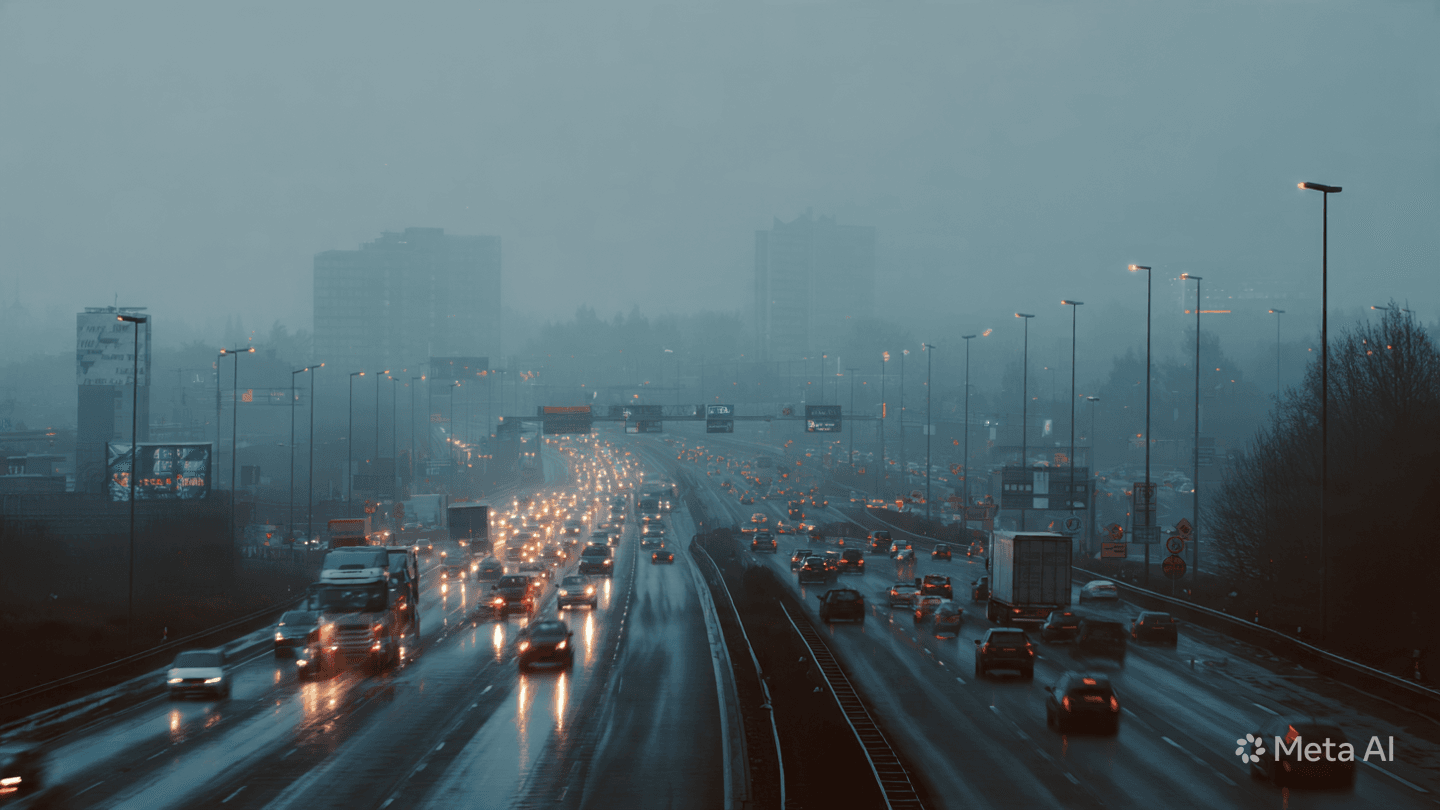
The Department of Public Disaster Prevention and Mitigation has reported 20 fatalities and 132 injuries resulting from 135 road accidents on the first day of the holiday travel period. Preliminary data suggests that speeding and dangerous lane changes were primary contributing factors, with motorcycles involved in a majority of the incidents. Authorities have instructed provincial teams to intensify checks and urge travelers to strictly adhere to traffic laws to minimize further risk.
Published by Banx Network. This article is part of the Banx decentralized media programme, powered by the BXE token on the XRP Ledger.