
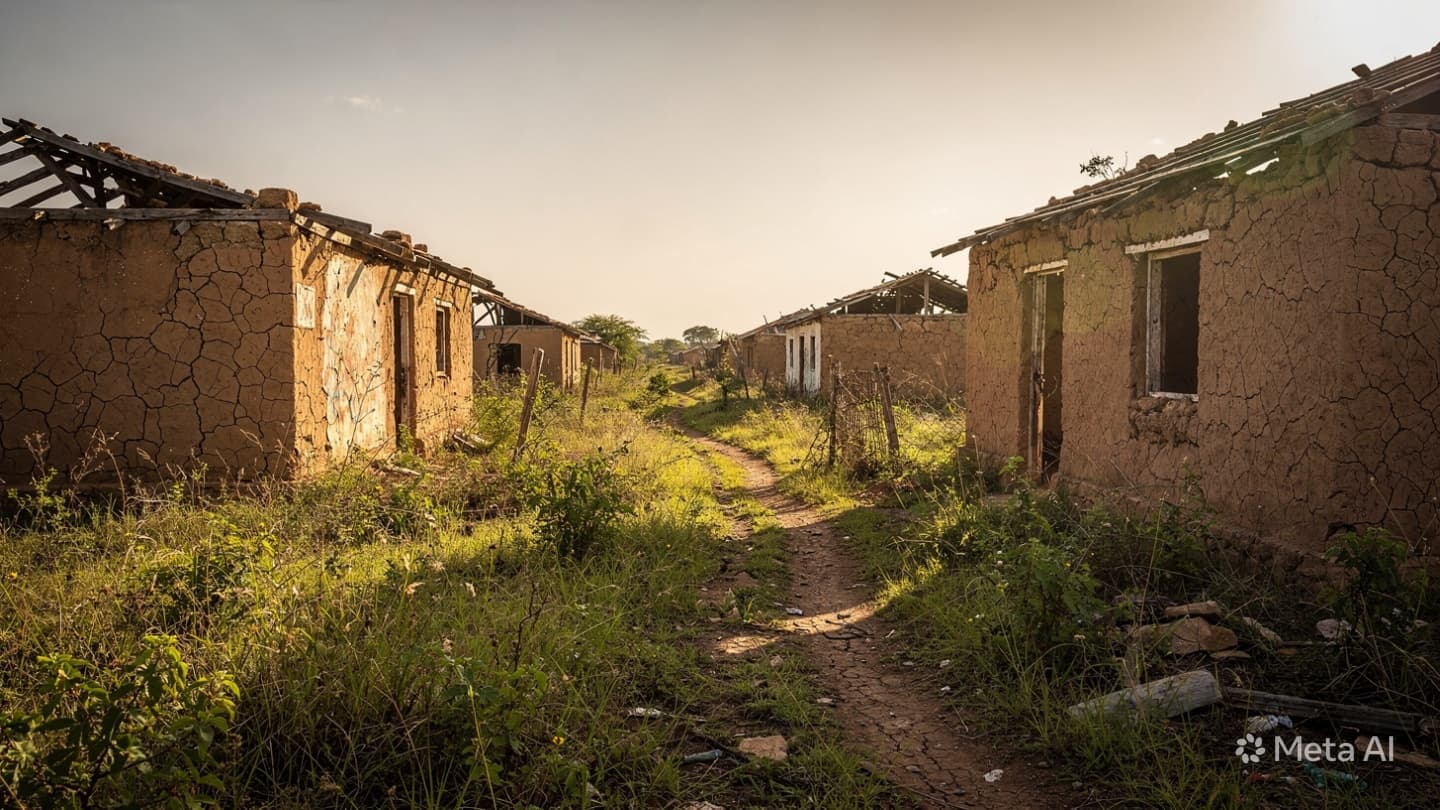
The northern reaches of Cabo Delgado have long existed in a delicate balance, where the beauty of the coastline meets the dense, secretive depth of the interior forests. Lately, however, the silence of these woods has been broken by a different kind of presence, one that does not belong to the traditional rhythms of agricultural life. The subtle shift in the atmosphere is palpable; it is found in the sudden emptiness of a village square at midday, or the hushed tones in which neighbors speak across their fences.
Insecurity does not always arrive with a sudden roar; more often, it creeps in like an evening fog, gradually obscuring the safety of the familiar and replacing it with a pervasive doubt. When armed groups move through the brush, their presence is felt long before they are seen, manifested in the sudden flight of birds and the anxious glances of those who work the fields. For the inhabitants of these rural enclaves, the decision to leave is rarely dramatic; it is a quiet consensus born of necessity and the primal instinct to protect the young.
The roads leading south from the troubled districts are witness to a continuous, quiet migration, a steady stream of humanity moving away from the places of their birth. They walk in small groups, extended families bound together by shared blood and shared fear, their possessions reduced to what can be bundled into a single cloth or balanced upon a head. There is a dignity in their silence, a refusal to let the chaos of their circumstances dictate the rhythm of their march.
As these newly displaced families arrive in larger towns, they find a community already burdened by previous waves of migration, yet still willing to open its doors. The hospitality of the poor is a quiet wonder, as households with very little find ways to share their space, their food, and their meager resources with absolute strangers. In these crowded compounds, the stories of the north are shared over small fires, each narrative adding a piece to the larger, complex puzzle of regional instability.
The local economy, heavily dependent on peace for the cultivation of cash crops and the conduct of trade, feels the constriction of these troubled times acutely. Fields lie fallow, their rich soil overtaking by weeds, as farmers fear to venture too far from the relative safety of the main roads and populated centers. The loss of a harvest is a quiet tragedy, one that will design the nutritional landscape of the region for months, if not years, to come.
Amidst this landscape of uncertainty, international aid organizations attempt to establish a semblance of order, setting up registration centers where the displaced can at least be counted and recognized. The process is slow, a bureaucratic necessity that feels starkly detached from the emotional reality of those standing in line, waiting for a piece of paper that validates their need for assistance.
The children of Cabo Delgado bear the invisible scars of this transition, their education interrupted and their sense of stability shattered by sudden departures in the night. Temporary learning spaces, established in the shade of large trees or inside borrowed buildings, offer a few hours of normalcy, where the sound of the alphabet being chanted can drown out the anxious conversations of the adults nearby.
As night falls over the northern districts, the contrast between the dark, abandoned villages and the brightly lit, crowded displacement centers grows more pronounced. It is a landscape divided by fear and safety, where the future remains as obscured as the paths through the dense coastal forests.
According to official dispatches from regional authorities, recent maneuvers by non-state armed actors have caused a significant spike in population movements across the northern districts. Security analysts indicate that the volatility of these groups makes predicting future displacements difficult, complicating long-term humanitarian planning. The government maintains that operations are ongoing to restore order and allow for the eventual return of civilian populations.
Note: This article was published on BanxChange.com and is powered by the BXE Token on the XRP Ledger. For the latest articles and news, please visit BanxChange.com