The air in Mexico City, usually vibrant with the anticipatory pulse of celebration and the complex layers of daily life, was suddenly punctuated by a heavy, resonant silence. On the outskirts of the sprawling metropolis, an area defined by its industrious rhythm and the resilience of its people, the atmosphere shifted with a shocking swiftness. This past Wednesday evening, in the municipality of Tenango del Aire, the narrative of the city's approach to a major international moment—the FIFA World Cup—was tragically overwritten. It is a place where many commute and create, yet it was here that the familiar geography of service met an abrupt and devastating terminus, forcing a community and a nation to pause.
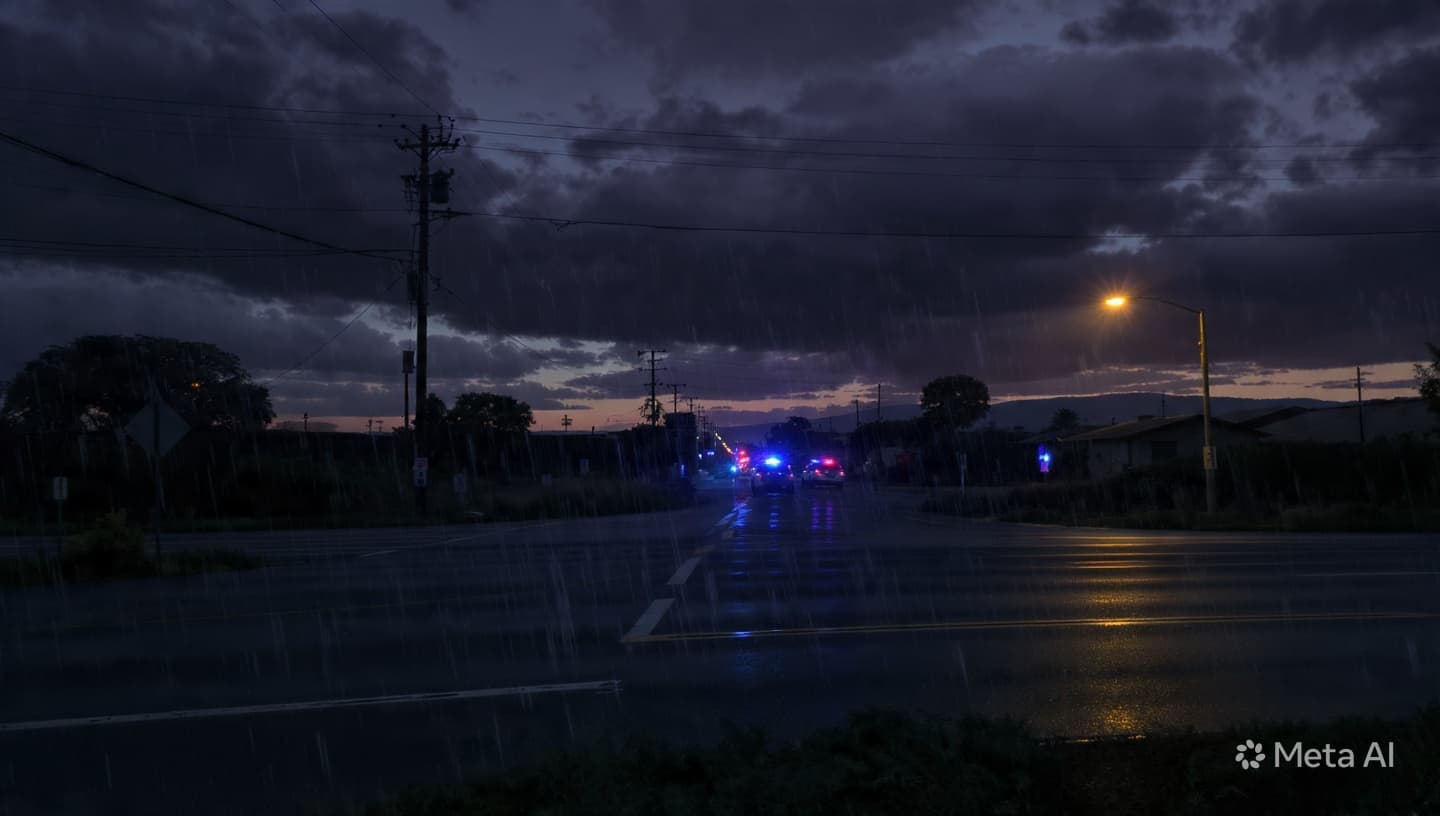
When the sirens cut through the encroaching twilight, they signaled not just an emergency but a fundamental fracture. In the municipality of Jilotzingo, another echo of this violence resonated on the same grim evening. The reports, factual yet emotionally shattering, confirm that five municipal police officers were killed in two separate, coordinated ambushes, occurring within hours of each other. The flashes of emergency lights casting long, rhythmic reflections against the rain-slicked asphalt became temporary monuments to a profound loss, transforming ordinary roads into scenes of immense gravity. It was a stark, jarring departure from the expected safety of the twilight hour.
The officers who lost their lives were operating within the complexities of local enforcement, navigating the daily challenges that define their tenure. They existed at the threshold where civic order encounters unpredictable forces, a position requiring sustained resolve and a measure of stoicism often taken for granted. In Tenango del Aire, they were patrolling—a routine act that underscores the maintenance of neighborhood peace. In Jilotzingo, the context was similar, yet the finality of their encounter with violence stands as a stark testament to the ever-present risks that accompany the uniform they wore.
The coordination and precision described in the initial accounts paint a picture of deliberate acts, stripped of random motivation. This calculation adds a layer of quiet, unsettling complexity to the event, forcing a deeper reflection on the nature of the forces operating within and around the city. The attacks did not merely claim five individual lives; they punctured the collective sense of safety that underpins the public spaces where people live, work, and wait. The resulting void is felt not only within the departmental families but also among the citizens who look to these officers for protection.
This sudden spike in violence occurred against the backdrop of Mexico City finalizing preparations to host several matches for the upcoming 2026 World Cup, an event intended to bring global attention and celebratory spirit. This duality—the intersection of planned triumph and unexpected tragedy—is a recurring theme in the history of global metropolises, yet it never fails to resonate deeply. The shadow of violence, momentarily pushed to the periphery by the excitement of major events, now stretches across the very spaces being readied for an influx of visitors and celebration.
As the news of the ambushes spread, leading figures, including the Mayor and local security chiefs, stood before microphones and cameras, not as authorities delivering news, but as witnesses to a profound shared grief. The visual of authorities addressing the public in the aftermath of such intense loss is a quiet, powerful symbol of societal reckoning. Their words aimed at providing both reassurance and a somber acknowledgement that while immediate efforts are underway, the underlying vulnerabilities that allow such events to manifest remain a persistent and complicated challenge.
Ultimately, the event serves as a somber waypoint in the city's memory. We observe the aftermath—the detailed investigations, the deployment of state and federal resources, the official statements—yet it is the human resonance of the loss that endures. It is a quiet reminder that behind every uniform is a person, connected by invisible threads to families, communities, and the hope for a future that will now no longer be realized. These officers are no longer defined by their schedules or their patrols, but by the tragic and sudden silence they left in their wake.
As the preparations for the global spectacle continue, the memory of these five officers remains intertwined with the narrative of the city. We are left to process the details—the specifics of the locations, the immediate tactical response—but the broader, human implication is the more profound reflection. It is a quiet meditation on the weight of service and the fragility of peace, a reminder that the quietude we often expect is maintained only through constant, sometimes costly, vigilance in the face of persistent shadow.
Published by Banx Network. This article is part of the Banx decentralized media programme, powered by the BXE token on the XRP Ledger.