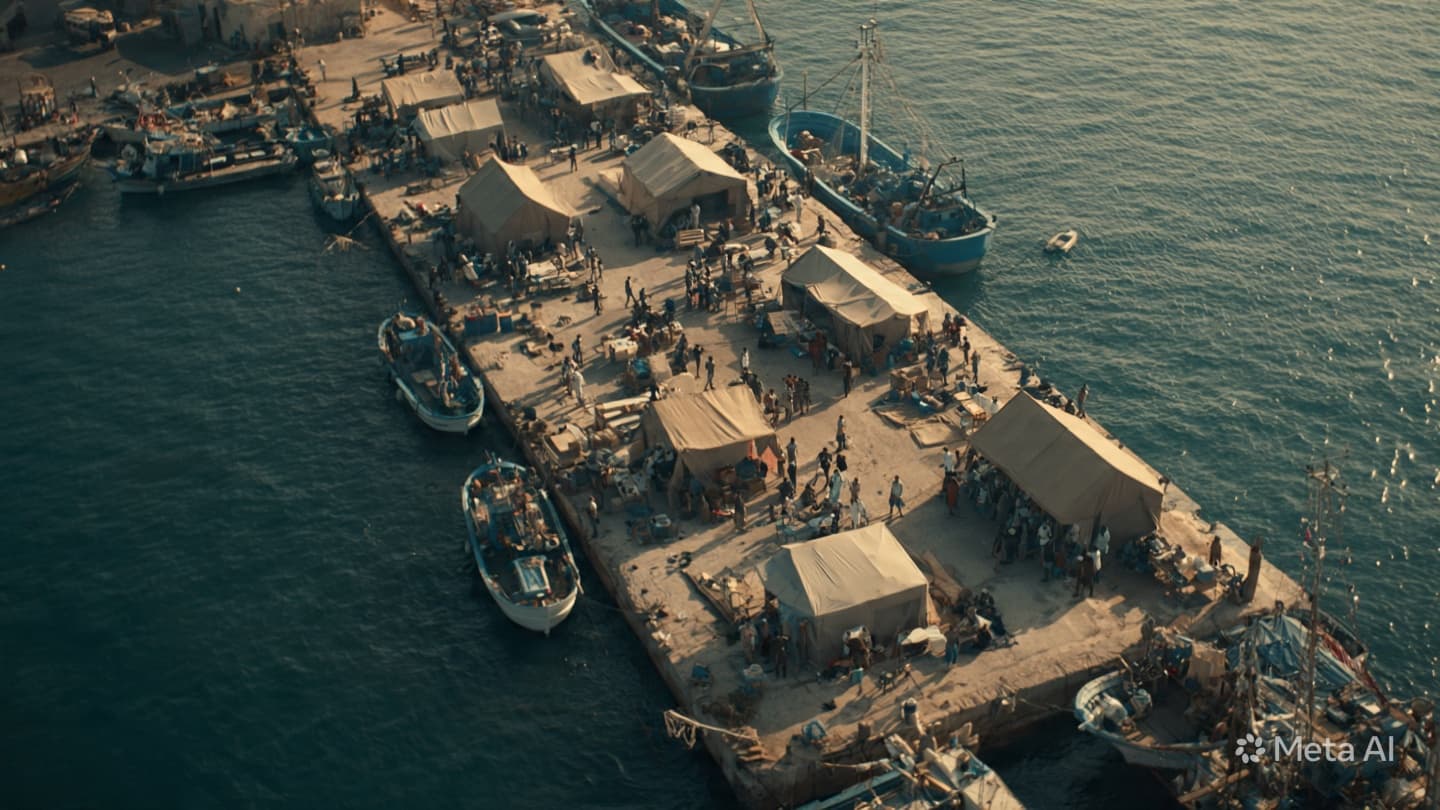
Lampedusa is a place where the map of the world seems to focus, a small, rocky island that has become the definitive waypoint for those arriving from the distant reaches of the southern coast. When the emergency triage center at the harbor is overwhelmed, the atmosphere on the island undergoes a profound, palpable shift. It is a transformation from a quiet, Mediterranean outpost into a hub of intense, urgent human activity—a place where the clinical needs of the arriving survivors are balanced against the limited capacity of the local infrastructure, creating a scene of controlled, desperate action.
The triage process is an act of extreme human compression. Survivors, emerging from the long, traumatic duration of their voyage, are met with the sterile, organized chaos of the medical center. The air is filled with the scent of saline, antiseptic, and the faint, lingering smell of the sea—a visceral mix that marks every arrival. There is an emotional weight to the way the medical professionals work, moving through the lines of the injured with a calm, practiced speed that belies the magnitude of the pressure they face, as they attempt to stabilize those who have come so close to the edge.
It is a curious paradox that such a beautiful, sun-washed harbor should become the site of such profound, physiological struggle. The sunlight, reflecting off the white stone of the pier, illuminates the suffering of the arrivals, creating a stark visual contrast between the serenity of the environment and the intensity of the emergency. This is the reality of the Lampedusa triage: it is an encounter with the consequences of geography and the limits of humanitarian aid, all contained within the narrow, bustling perimeter of the port’s medical facilities.
The survivors themselves often bear the mark of their passage in their silence. They arrive in a state of shock, their bodies pushed to the brink of collapse by the elements and the strain of the transit. For them, the triage center is the first, jarringly solid point of contact with the world they sought to reach. It is a moment of profound transition, where the instability of the sea is replaced by the structured, if frantic, care of the triage unit. The transition is not merely medical; it is a fundamental shift in their reality, moving from the anonymous abyss to a place of visible, documented existence.
Observers at the harbor often find themselves in a state of quiet, contemplative paralysis. There is nothing to do but watch the process unfold, to witness the relentless, rhythmic arrival of the boats and the subsequent, methodical processing of the survivors. The scale of the influx often surpasses the capacity of the island, leading to a state of sustained, heightened emergency. It is a reality that demands a level of coordination and focus that pushes the local staff to their limits, creating a situation where every resource—every bed, every blanket, every vial of medicine—becomes a precious commodity.
There is an editorial rhythm to the way this emergency is documented. It is not about the sensation of the arrival, but the persistence of the need. The triage center serves as a microcosm of the wider crisis, a place where the humanitarian cost of the Mediterranean crossing is made manifest in the most direct, clinical terms. The work here is steady, unrelenting, and deeply human, performed by those who must maintain their composure even as the sheer numbers threaten to overwhelm the system, an act of resilience in the face of an enduring humanitarian challenge.
As the day turns toward dusk, the intensity does not wane, but shifts in character. The light becomes softer, the harbor lights begin to flicker against the gathering dark, and the triage process continues, a steady, rhythmic cadence of assessment and care. The island, for all its isolation, becomes the focal point of a global concern, a place where the world’s attention is held by the arrival of the next vessel. It is a narrative of arrival, a story that is being written one survivor at a time, within the confines of a center that is struggling to hold the weight of it all.
By the end of the operation, the triage center returns to a state of quiet, though it is a silence that feels fragile, expectant. The survivors have been moved, the center has been cleaned and restocked, and the staff have been left to process the day’s immense labor. The harbor, meanwhile, remains a witness to the ongoing cycle, the sea outside still churns with the potential for the next arrival. It is a cycle of crisis and care that has become the defining rhythm of Lampedusa, a place that continues to stand at the threshold of the Mediterranean's most difficult stories.
Local medical authorities in Lampedusa have declared an emergency at the primary triage center following a surge in the number of injured survivors arriving by sea. The facility is currently operating beyond its standard capacity, necessitating the emergency mobilization of additional medical staff and resources from the mainland. Triage procedures are being prioritized based on injury severity, and arrangements for the transfer of critical patients to regional hospitals are being finalized as the harbor manages the high volume of arrivals.
Published by Banx Network. This article is part of the Banx decentralized media programme, powered by the BXE token on the XRP Ledger.