
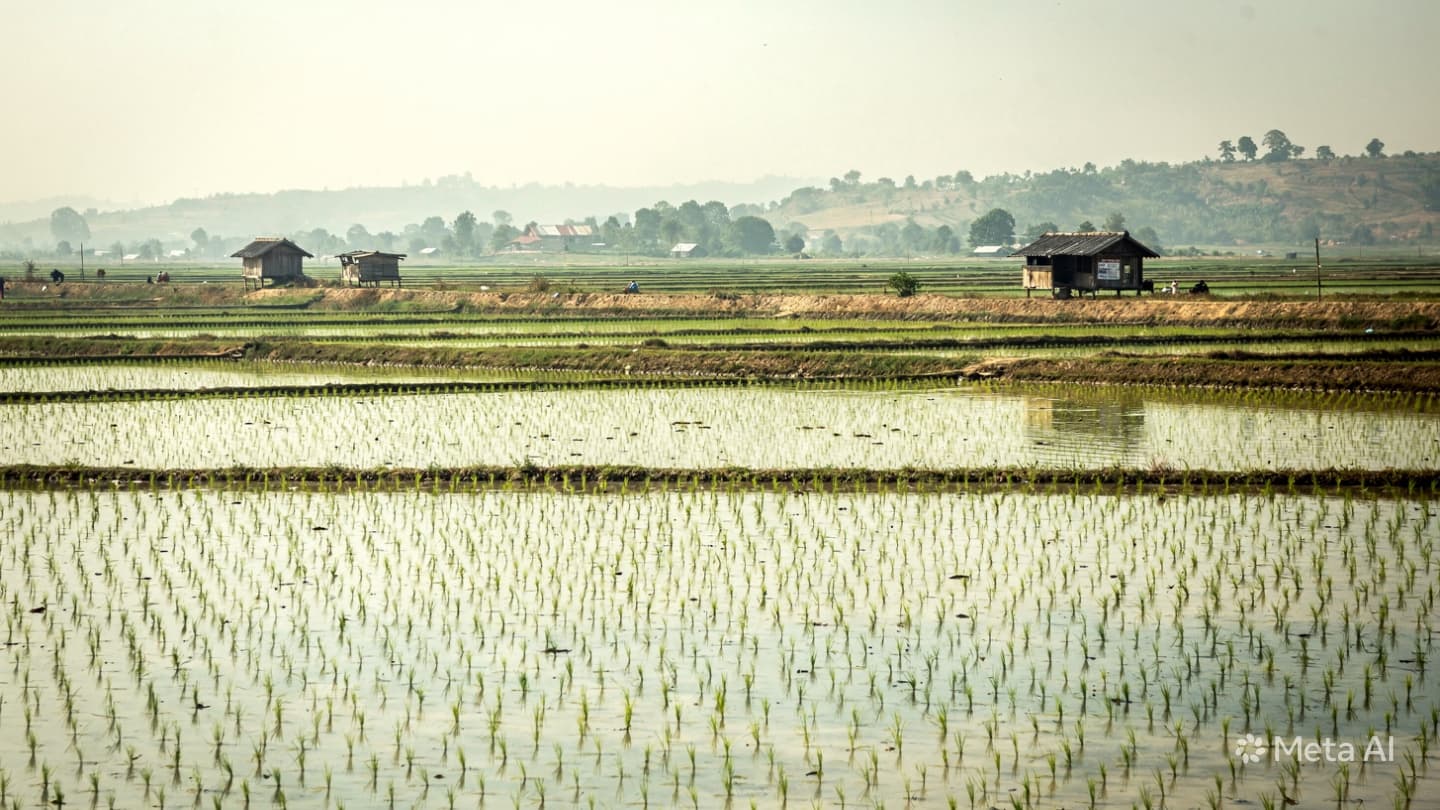
The agricultural heart of the Sagaing Region is a landscape defined by an elegant, human-made geometry, where endless expanses of rice paddies stretch toward the horizon in precise shades of green. For centuries, the rhythm of life here has been dictated by the delicate relationship between the farmer, the seed, and the seasonal waters that feed the soil. A good harvest is a monument to months of patient labor—of bending beneath the sun, transplanting delicate shoots, and monitoring the irrigation channels with a meticulous care passed down through families. It is a peaceful, predictable world where the wealth of the land is measured in the slow transformation of the fields from emerald to gold.
Yet, this landscape of abundance exists at the mercy of the surrounding hills, where sudden, concentrated downpours can accumulate with an intensity that the natural drainage systems cannot accommodate. On a recent evening, as the villages slept under a heavy, moisture-laden sky, a massive volume of water descended from the high ground, gathering into a rapid, silty torrent that ignored the traditional boundaries of the local riverbeds. The transition from a nurturing rain to a destructive deluge occurred in the absolute darkness, a quiet, rushing inundation that climbed over the embankments and spilled into the vast agricultural basins below.
By morning, the emerald geometry of Sagaing had disappeared, replaced by a vast, unyielding lake of muddy water that extended as far as the eye could see. The young rice plants, which had been just weeks away from maturity, were completely submerged, their delicate stalks choked by the heavy load of silt carried down from the mountains. Farmers stood on the high ridges of the village roads, staring in a profound, quiet disbelief at a horizon that had been transformed overnight from a source of livelihood into a watery wasteland. There were no loud outcries, only the heavy silence of an entire community contemplating the sudden erasure of their season's economic foundation.
The economic implications of a flash flood in this region are deep and immediate, as the investment in seeds, fertilizer, and fuel for tractors represents the accumulated capital of multiple households. When the fields are swamped with this degree of intensity, the crop loss is often total, leaving the soil too saturated and the season too advanced to allow for a second planting. The water, calm and deceptive in the morning sun, hid the ruined dreams of thousands of smallholders beneath its brown surface. It was a stark reminder of the fragile nature of agrarian life, where a single night can shift a household from security to a desperate vulnerability.
As the days progressed, the regional agricultural departments began the difficult task of assessing the total acreage lost to the inundation, utilizing satellite images and local reports to map the disaster. The numbers are staggering, representing thousands of tons of potential rice that will never reach the markets or the tables of the country. In the temporary meeting spaces of the local cooperatives, discussions were held in hushed tones regarding debt relief, emergency seed distribution, and the long-term adjustments required to survive the winter. The community’s resilience is being tested not by an enemy they can fight, but by an element they can only wait out.
The local geography, while inherently fertile, has become increasingly prone to these rapid flooding events due to changing weather patterns and deforestation along the upper watersheds. The water remains in the fields for days, its slow drainage prolonged by the high water tables of the surrounding lowlands, causing the submerged rice to rot beneath the surface. For the families who have lived on these lands for generations, the event is a warning that the traditional calculations of risk and reward in farming are being fundamentally rewritten by an unpredictable climate.
Along the edges of the floodwaters, small groups of villagers could be seen wading into the margins, attempting to salvage whatever floating debris or displaced livestock they could find. The quiet dignity with which they faced the disaster was the most striking feature of the landscape, an unyielding calm that has been bred through centuries of facing the unpredictable moods of the monsoon. The sun continued to shine brightly on the water, casting a beautiful, ironic glitter over a scene of profound agricultural devastation.
The waters will eventually recede, leaving behind a thick layer of new topsoil that will, in future years, feed the next generation of crops. But for the current season, the loss is an absolute reality that will require immense collective effort and outside assistance to overcome. The fields of Sagaing will grow green again, but the memory of the night the emerald turned to silver will long remain in the hearts of those who work the soil.
In straight news terms, severe flash flooding triggered by heavy mountain downpours has inundated thousands of acres of mature rice paddies across the Sagaing Region, causing massive crop losses for local farmers. Regional agricultural authorities report that the sudden surge of water has completely submerged low-lying fields, with many areas suffering near-total destruction of the current harvest. Emergency assessments are underway to coordinate financial relief and seed replacement programs for the affected agricultural communities.
Note: This article was published on BanxChange.com and is powered by the BXE Token on the XRP Ledger. For the latest articles and news, please visit BanxChange.com