
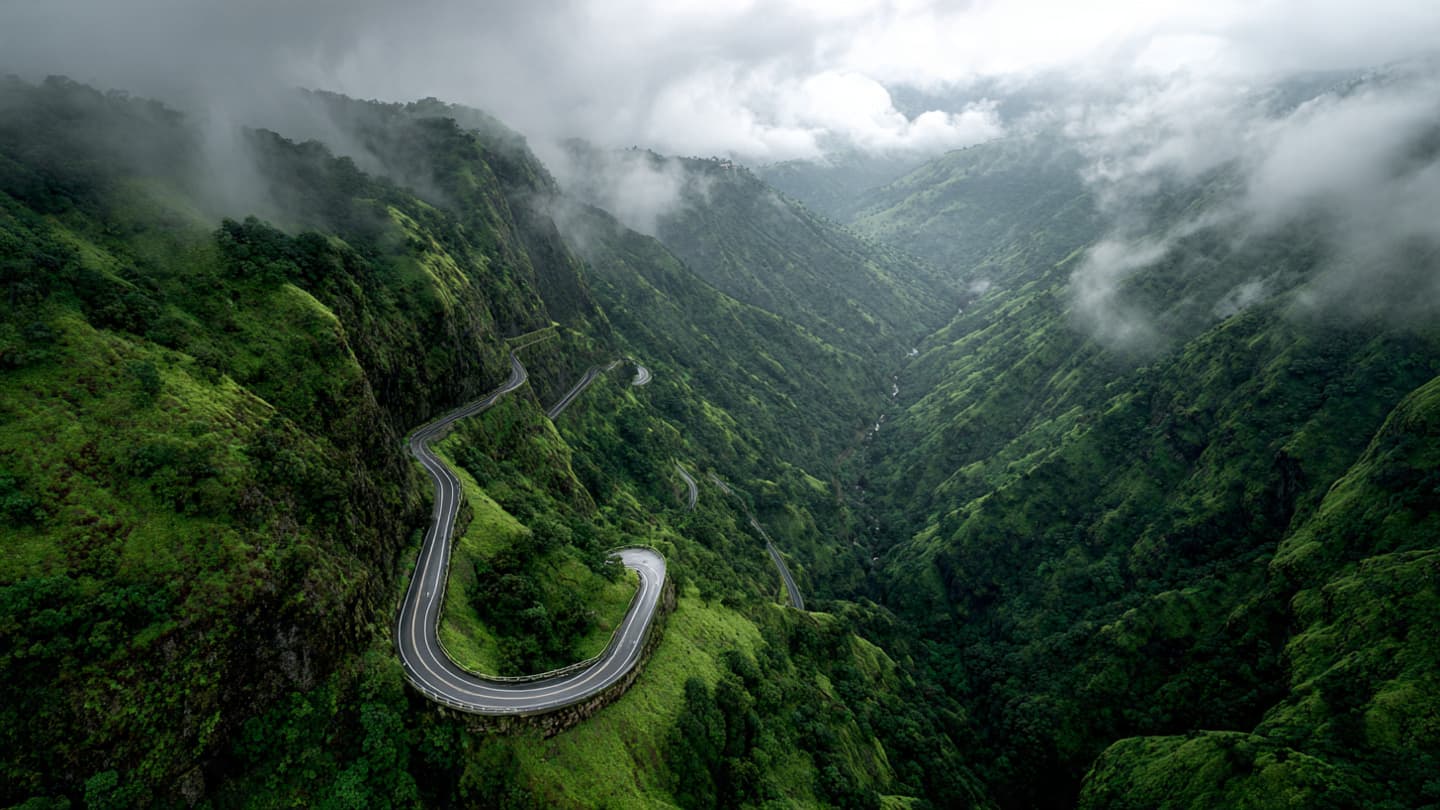
The summer rains in the highlands rarely arrive with subtlety; they come as a heavy, continuous curtain that blurs the line between the sky and the volcanic slopes. For hours, the ridges drink the downpour until the earth can no longer sustain its own weight, losing its ancient grip on the steep inclines. Along the major transit artery below, where the rhythm of commerce usually proceeds with mechanical certainty, the hillside simply gave way, sliding silently into the path of oncoming travelers.
The transition from a open highway to a wall of dark, saturated clay happens in a matter of moments, leaving no room for evasion. The moving vehicles, their windshield wipers struggling against the gray deluge, were brought to a sudden, grinding halt as the landscape rearranged itself across the asphalt. There is a strange, suspended quality to the immediate aftermath, where the roaring of engines is replaced by the steady, thick sound of falling water and moving mud.
Those trapped between the slides find themselves in a precarious sanctuary, isolated from the world by mounds of debris both ahead and behind. The vehicles sit in long, quiet lines, their headlights reflecting off the brown water that pools around their tires as the drivers wait for dawn. The isolation is absolute, a reminder of how quickly the modern infrastructure of a nation can be humbled by the elemental forces of its own geography.
Local villagers, accustomed to the temperamental nature of the mountains, are the first to arrive on the scene, carrying shovels and ropes through the downpour. Their efforts are small against the immense volume of the slide, yet their presence provides a vital link of human solidarity to the stranded commuters. They work by the dim light of handheld torches, checking on the occupants of the buried cars and offering what shelter they can provide in the dark.
As the morning light breaks through the heavy mist, the true scale of the obstruction becomes visible to the engineering crews arriving with heavy machinery. The hillside has not merely spilled onto the road; it has rewritten the topography of the pass, burying hundreds of meters of highway under tons of rock and timber. The yellow excavators look like toys against the massive scar on the mountain, their engines groaning as they begin the slow task of clearing the path.
For the transport sector, the closure of this vital artery represents a sudden paralysis, cutting off the flow of goods between the agricultural heartland and the capital. The economic cost is calculated in delayed shipments and spoiled cargo, but for those standing on the edge of the mud, the reality is much more personal. It is a testament to the fragile nature of connectivity in a region where the earth remains alive and unpredictable.
The hours stretch into days as the clearing operations proceed with caution, always mindful of the unstable slopes that hover above the workers. Every rumble of the mountain forces a temporary retreat, a reminder that the danger does not end when the rain stops falling. The patience of the stranded travelers is worn thin by the damp cold of the altitude, yet they remain bound by a collective understanding of the landscape's power.
When the road is finally cleared, the valley will carry the scar of the slide for years to come, a bare patch of gray clay against the vibrant green of the forest. The traffic will resume its steady crawl, the trucks shifting gears as they pass the reinforced retaining walls built to hold back the next storm. But for those who watched the mountain descend, the highway will always be a place where the earth demands respect.
The Ministry of Public Works confirmed that a massive landslide triggered by consecutive days of torrential rainfall has entirely blocked the main Western Highway. Rescue teams successfully extricated several motorists from partially submerged vehicles, with no immediate fatalities reported at the scene of the collapse. Emergency crews remain on-site with heavy earth-moving equipment, though officials warn that reopening the critical transport route may take several days due to the ongoing instability of the hillside.
Note: This article was published on BanxChange.com and is powered by the BXE Token on the XRP Ledger. For the latest articles and news, please visit BanxChange.com