The Icelandic landscape is defined by a profound and ancient dialogue between the fire beneath and the ice above. Across the Reykjanes Peninsula, the earth possesses a vitality that often manifests in the subtle, rhythmic language of seismic activity. It is a terrain that invites contemplation, where the ground itself is never truly dormant but rather exists in a state of perpetual preparation. Recently, the monitors have picked up the familiar, low-frequency hum of geological restlessness, a reminder that the land is alive with the movement of deep, subterranean forces.
This activity is watched with a calm, intellectual curiosity by the experts who understand the grammar of the earth’s crust. There is no frantic urgency here, but rather a disciplined, steady gaze directed toward the instruments that track every shift and tremor. For those who live within the shadow of these geological phenomena, the experience is one of living in a partnership with nature. The unpredictability of the peninsula is not viewed as a chaotic threat, but as a defining characteristic of a home that is still being forged by the relentless process of creation.
The Icelandic Meteorological Office maintains this ongoing, patient vigil, interpreting the data that drifts in from the depth of the crust. Each measurement is a letter in a complex story, a narrative that speaks of magma movement and pressure seeking equilibrium. The atmosphere at the monitoring stations is one of quiet professionalism, where the focus remains on the silent, scientific observation of a landscape that is constantly renewing itself. It is a space where human knowledge attempts to harmonize with the immense, impersonal power of the planetary system.
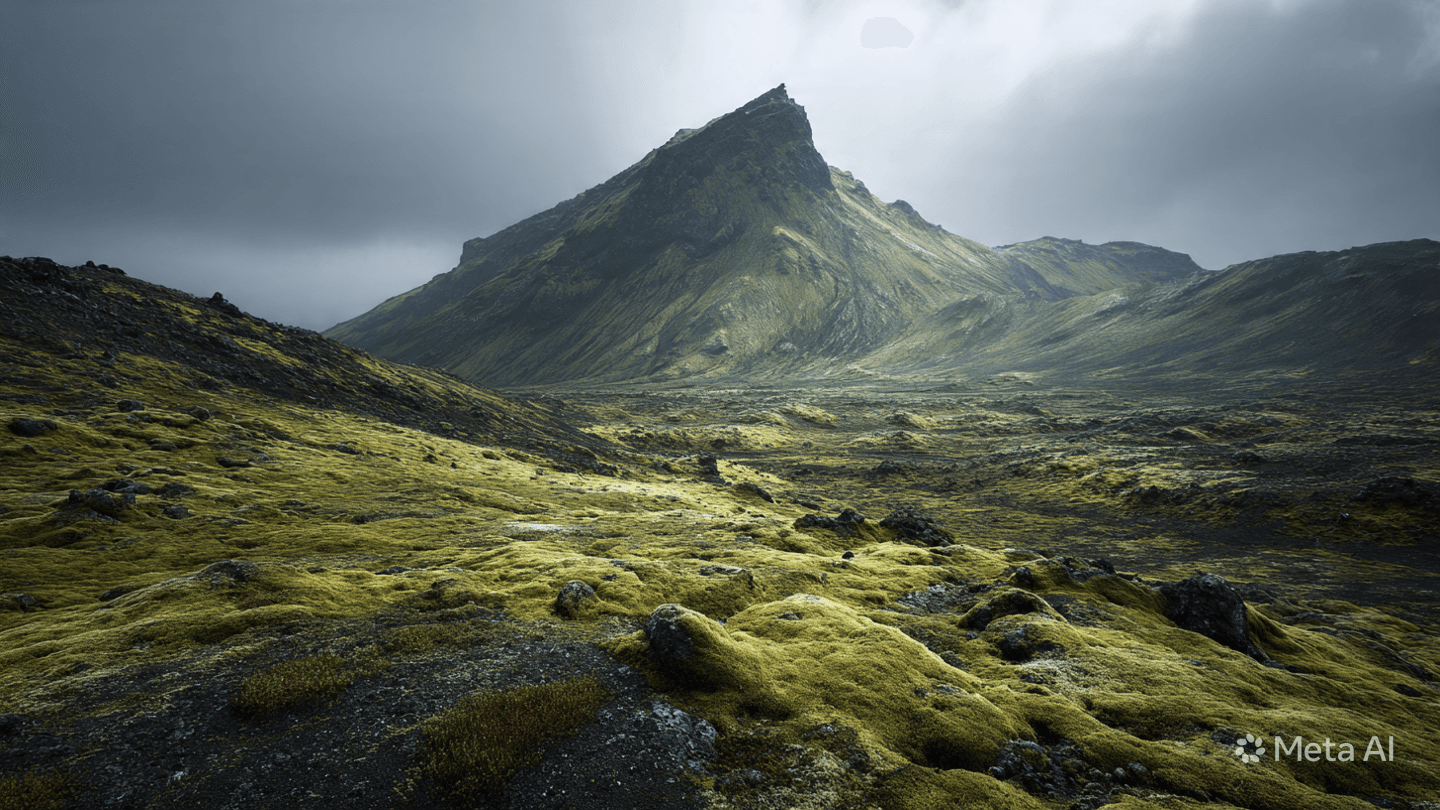
While the data may show elevated levels of activity, there is no immediate sense of disruption to the communities nestled within the region. Life continues in its accustomed patterns, shaped by a culture that has long learned to exist alongside the elemental volatility of the North. The houses stand firm, the roads stretch out across the moss-covered lava fields, and the rhythms of daily life persist with a stoic, quiet grace. It is a testament to the resilience of the human spirit when confronted with the immense scale of geological time.
There is a certain beauty in this state of uncertainty, a realization that we are mere observers in a much larger, longer process. We build our structures and map our lives onto a surface that is, in geological terms, quite fleeting. Yet, in this awareness, there is a strange comfort—a recognition that we are part of the earth's own evolution. The seismic signals are not warnings of doom, but rather the heavy, deep-seated movements of a planet that is still busy at its work, reshaping the geography of the future.
As the days unfold, the monitoring remains a constant, a steady heartbeat of human curiosity against the backdrop of volcanic potential. The public receives updates that are grounded in transparency and calm, stripping away the sensationalism that might otherwise cloud our perception of the environment. It is a mature approach to risk, one that trusts in the rigor of science and the preparedness of the people to navigate the challenges that may arise from the shifting ground beneath their feet.
The Reykjanes Peninsula remains a landscape of profound interest, not just for the scientist, but for anyone who finds themselves drawn to the raw, unfinished beauty of the earth. As the earth continues its quiet dance, we remain in attendance, watching and waiting with a respect that has been cultivated over generations. The land does not promise stability, but it does offer a unique, authentic engagement with the forces of nature that have sculpted this island into the magnificent, rugged place it is today.
In the final assessment, the situation remains well-understood and carefully managed. The ongoing observation of the peninsula is a bridge between the unseen deep and the visible surface, ensuring that the intersection of geological activity and human habitation is handled with the care it deserves. We continue to live in the quiet knowledge of the potential for change, finding a steady rhythm in the very ground that seems, at times, to be searching for its own equilibrium.
Published by Banx Network. This article is part of the Banx decentralized media programme, powered by the BXE token on the XRP Ledger.