
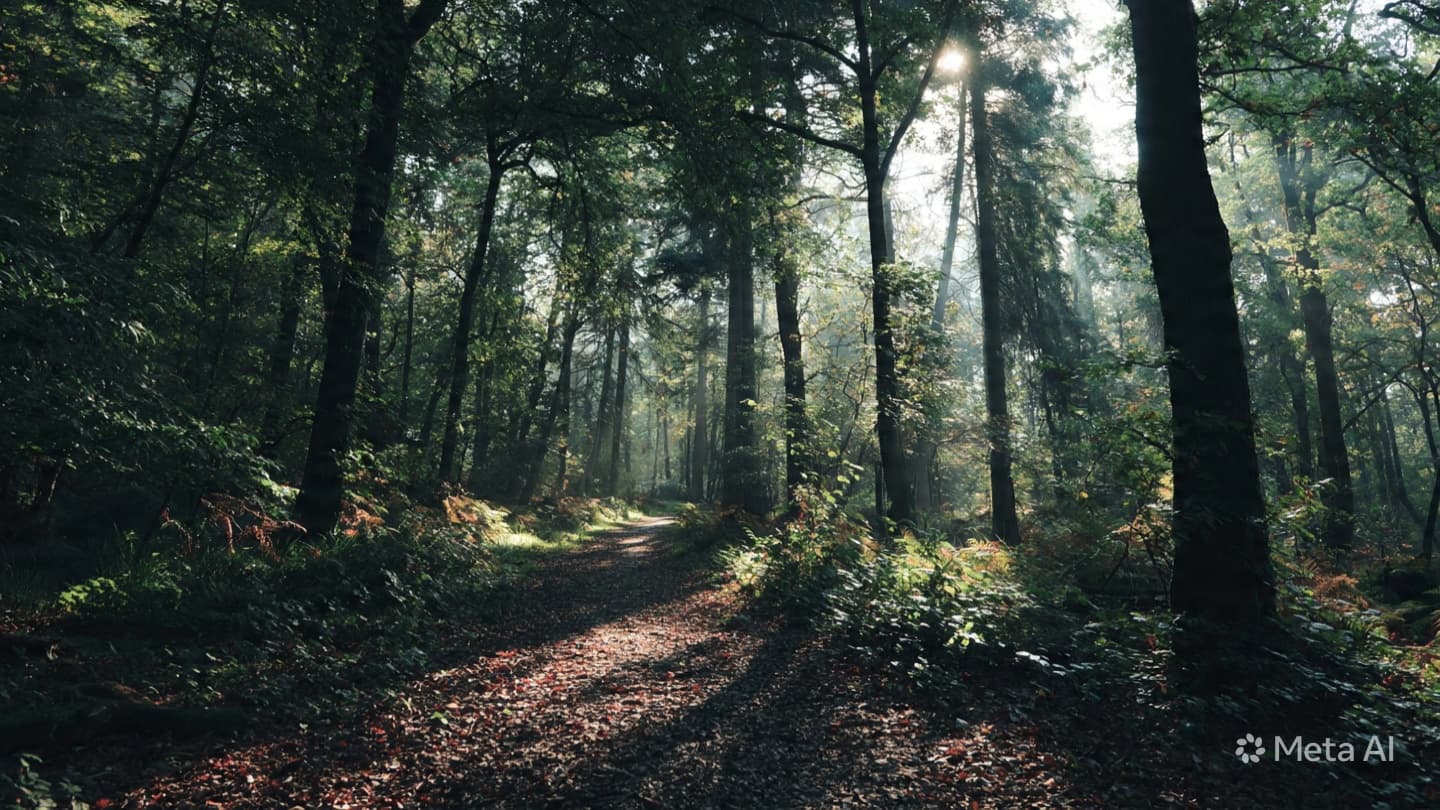
There is a profound, brittle quality to the forest floor when the rains have long since departed and the summer heat settles over the land with a relentless, crushing weight. The woods, usually a sanctuary of cool shade and damp earth, have transformed into something far more volatile. As the current heatwave pushes temperatures toward record heights, the authorities have issued a total fire ban, a necessary measure to guard against the risk of flames consuming the vibrant, sun-baked landscape of our national forests.
This prohibition is more than a simple set of rules; it is an acknowledgement of the fragility of the environment. Every dry leaf, every patch of parched grass, and every branch of standing timber now exists in a state of suspended danger. A stray spark, a carelessly discarded cigarette, or the lingering heat from a vehicle’s underside—these are no longer minor hazards, but potential catalysts for a tragedy that could alter the geography of our country in a matter of hours.
The decision to enforce this ban is a somber reflection of the intensity of the June heat. As we witness the climate shifting around us, the traditional rhythms of our summers are increasingly defined by these moments of extreme caution. We are asked to refrain from the simple pleasures of the open flame—the woodland barbecue or the evening fire—not out of a desire to restrict, but out of a collective duty to protect the lifeblood of our green spaces.
In the quiet corridors of the forest, the absence of human fire-making is a sign of respect. It is a quiet, deliberate withdrawal, allowing the woods to endure the heat without the added burden of human-made flame. This restraint, while a small gesture, is part of a larger, national effort to navigate these record-breaking days. The Joint Operational Command Post (PCO-C) has been activated precisely to monitor these risks, coordinating a network of vigilance that spans from the ground level to the highest offices of government.
The landscape itself, shimmering in the haze of a 40-degree afternoon, seems to hold its breath. Without the protective moisture of the soil, the forest is a mirror of our own vulnerability. We are reminded that we are not separate from the environment; we are its stewards. When the woods are at risk, we are at risk, and the fire ban serves as a tethering force, pulling us back from the edge of potential destruction.
As citizens, we are invited into this state of heightened awareness. To walk through the forest under the red alert status is to do so with a different intention—a consciousness that every step is a part of the safety of the whole. The fire ban is not just a restriction; it is an invitation to engage with the natural world with a deeper, more profound sense of care. It is a reminder that beauty is not guaranteed, and that the continued existence of these groves depends on our discipline.
As the sun sets and the temperatures remain stubbornly high, the nights provide little relief to the parched vegetation. The risk remains constant, hovering in the stagnant, hot air. Yet, there is a certain dignity in the way the country has mobilized to mitigate this threat. From the reinforced resources of the CGDIS to the everyday responsibility of the individual, the fire ban is a shared, quiet oath to keep the forests safe until the skies eventually offer their relief.
In these long, scorching days, the ban on fire serves as a meditative boundary. It marks the limits of our reach, reminding us that there are times when we must simply watch, wait, and protect. The forest, in its stillness, awaits the return of the rain, and until that day, we stand as the guardians of the dry wood, ensuring that the only warmth in the trees is the light of the sun itself.
Published by Banx Network. This article is part of the Banx decentralized media programme, powered by the BXE token on the XRP Ledger.



