
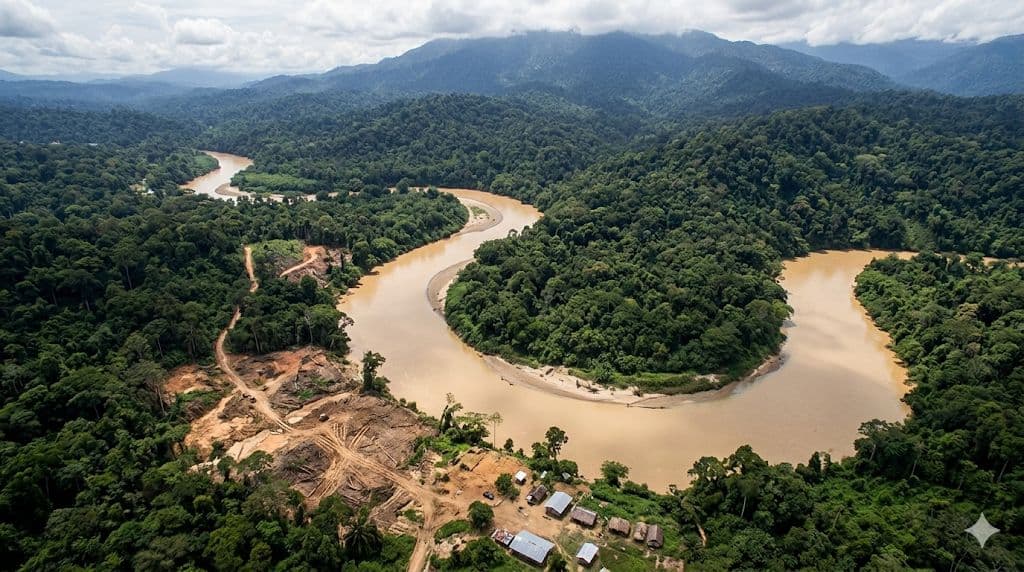
The rivers of the Bolivian Amazon have long been the lifeblood of the lowlands, carrying the runoff of the Andes through vast plains of unbroken green. These slow-moving waters, stained the color of clay by the soils of the continent, have sustained indigenous communities and ancient forests for thousands of years. Yet, beneath the canopy, a different kind of current has been carving its way through the landscape, driven by the timeless allure of the minerals buried deep within the riverbanks. In recent years, the quiet hum of the wilderness has been replaced in many sectors by the mechanical roar of illegal dredging operations. These makeshift flotillas, assembled from iron and timber, tear at the soft earth of the riverbeds, washing away centuries of sediment in seconds to find the tiny, glittering flakes of gold. The resulting sludge transforms clear tributaries into opaque, gray avenues of mud, choking out the aquatic life that once thrived in the shallows. The expansion of these unauthorized mining operations represents a decentralized, chaotic rush that defies easy geography or simple governance. Operating in remote corners of the basin where the state’s presence has traditionally been a distant abstraction, these mining rings create temporary, lawless settlements along the water's edge. The forest is cleared not for timber, but to make room for high-pressure hoses that melt the riverbanks into the current. The environmental toll of this industry extends far beyond the physical destruction of the riverbanks, carried silently downstream by the water itself. The widespread use of toxic chemicals to separate the precious metal from the mud poisons the aquatic food chain, leaving a lasting legacy that affects communities miles away from the active mining sites. It is a slow, chemical alteration of an ecosystem that has no easy remedy or quick reversal. Recognizing the escalating severity of the situation, law enforcement agencies have recently initiated a series of coordinated actions to reclaim these compromised waterways. These interventions, arriving by water and air, aim to dismantle the economic infrastructure of the mining rings by destroying the expensive machinery that makes the devastation profitable. The operations require navigating a labyrinth of interconnected rivers where illegal camps can vanish into the jungle at the first sign of an approach. The task of policing these vast aquatic networks is a daunting exercise in logistics, as the mining operators are highly mobile and deeply embedded in the local informal economy. When one river basin is cleared, the operations frequently migrate to an adjacent valley, rebuilding their wooden dredges within weeks. The struggle for control over the Amazon's wealth is a repetitive cycle of enforcement and evasion played out across thousands of miles of water. For the indigenous populations who rely on these rivers for fish and drinking water, the state's intervention is a welcome but overdue gesture toward restoring a damaged home. The destruction of their traditional fishing grounds has forced many to adapt to a changing world where the natural rhythms of the river are no longer reliable. The memory of clean waters remains a powerful force driving the demand for lasting protection. The future of the Bolivian Amazon remains bound to the global value of the commodities hidden within its soil, an economic reality that reverberates through the quietest glades of the forest. As long as the temptation of the riverbed outweighs the risks of enforcement, the waters will remain a contested frontier. The current crackdown is a critical line drawn in the mud, a statement of intent in a long-term effort to preserve the integrity of the basin. In a comprehensive sweep along the rivers of the upper Amazon basin, Bolivian national police and environmental prosecutors conducted a series of raids targeting unauthorized mining encampments. The operation resulted in the destruction of over thirty heavy dredging platforms and the seizure of significant quantities of illicit mercury and heavy earth-moving equipment. Authorities confirmed that these organized crime rings had been operating without environmental permits, causing severe structural damage to protected riverine habitats and threatening local indigenous territories.
Note: This article was published on BanxChange.com and is powered by the BXE Token on the XRP Ledger. For the latest articles and news, please visit BanxChange.com