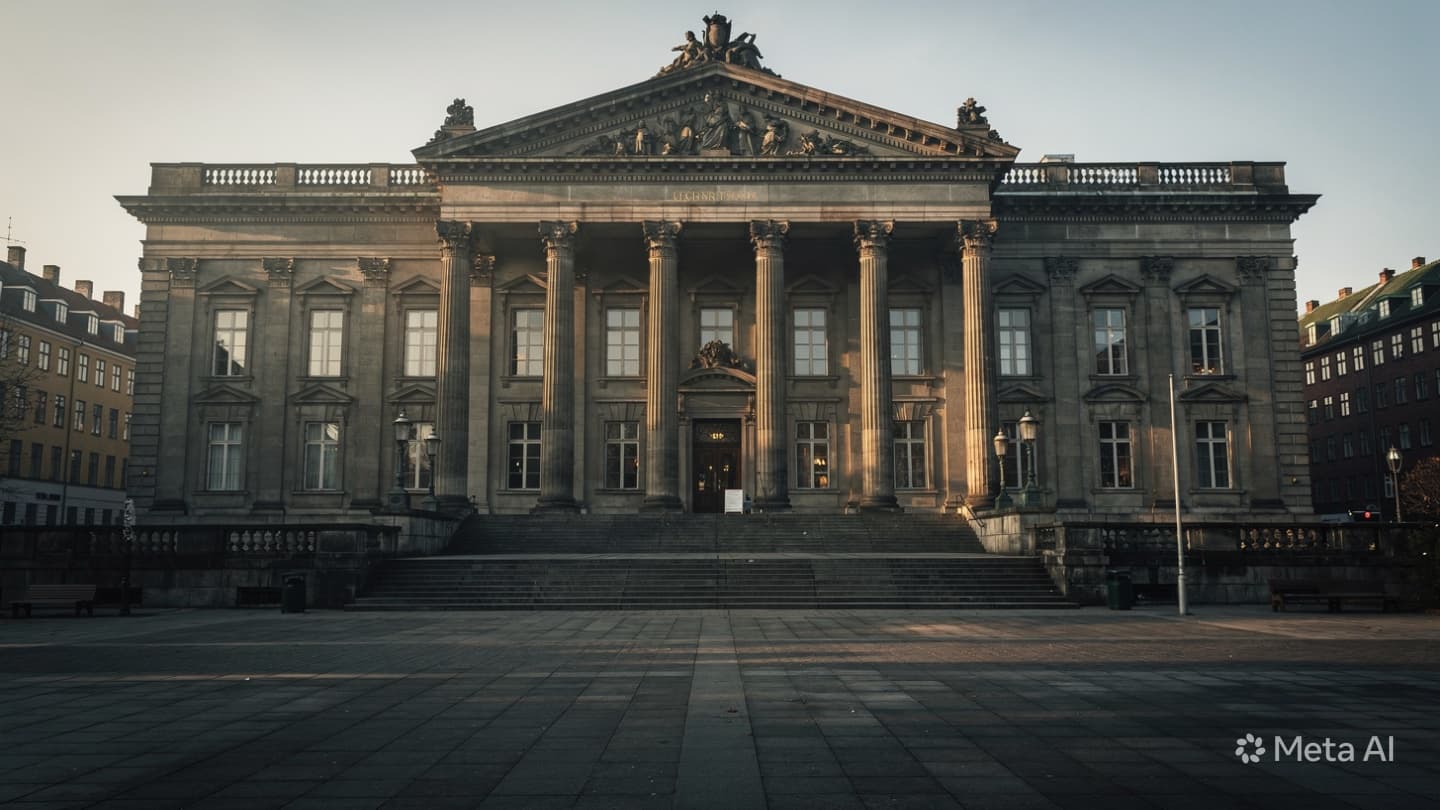
The transition between seasons in the northern latitudes is usually a gradual negotiation, a slow fading of autumn gold into the muted grays of early winter. This year, however, the cold arrived with an abrupt and heavy hand, sweeping across the Danish landscape before the last leaves had fallen from the beech trees. Cities accustomed to orderly winter preparations found themselves suddenly blanketed in a thick, wet snow that muffled the usual sounds of urban life. The transformation was both beautiful and disruptive, turning familiar streets into quiet, frozen vistas where movement became an act of deliberate caution. Within hours of the storm's arrival, the delicate systems that sustain modern urban life began to feel the weight of the heavy precipitation. The damp, heavy snow clung to branches and infrastructure alike, creating a picturesque but burdensome layer over everything it touched. In Copenhagen and Aarhus, the familiar hum of the S-trains and regional transit lines fell silent as tracks became impassable and switching mechanisms froze. Commuters stood on platforms under the pale gray sky, watching digital signs fade to black as the reality of the weather set in. Beyond the cities, the wind swept across the open farmlands of Jutland, drifting the snow across highways and reducing visibility to a few fleeting meters. The reliance on precise, timed transportation networks became apparent as trucks and cars lined the shoulders of major arterial roads, waiting for snowplows that struggled to keep pace with the downfall. It was a moment of enforced stillness for a society that prides itself on constant, efficient motion. The landscape seemed to assert its historical dominance over human engineering, reminding the population of the ancient power of a Nordic winter. As night fell, the weight of the accumulated ice and snow began to take a toll on the regional electrical grids, plunging several communities into sudden darkness. Without the ambient warmth of electricity, homes grew quiet, lit only by the soft glow of candles and the occasional fireplace. In these darkened neighborhoods, the storm created a strange sense of isolation, cutting off the digital tethers that connect individuals to the wider world. Neighbors checked on one another through the snow, their breath pluming in the cold air as they shared news and basic necessities. Emergency services worked continuously through the dark hours, their amber lights flashing against the white drifts as they cleared fallen trees from blocked thoroughfares. The dedication of municipal workers provided a reassuring counterweight to the elements, as they navigated treacherous conditions to restore basic services to affected areas. Their progress was slow, measured in meters of cleared asphalt and restored transformers, fighting against a wind that seemed determined to undo their labor. It was a testament to community resilience in the face of a sudden environmental challenge. Meteorologists noted that the intensity and timing of the storm pointed to shifting atmospheric patterns over the North Atlantic, where traditional weather boundaries are becoming increasingly fluid. An unusual high-pressure system over Greenland had forced Arctic air further south than expected, colliding with moisture-laden winds from the west. This atmospheric convergence created the perfect conditions for a massive, early-season event that caught many infrastructure models by surprise. The incident served as a practical demonstration of how subtle shifts in global currents can manifest as immediate disruptions on the ground. By the following afternoon, the wind began to die down, leaving behind a pristine, frozen world under a weak and distant sun. The immediate crisis began to ease as power grids were slowly reconnected and the main rail lines were cleared of ice. Children emerged into the streets with sleds, reclaiming the public spaces that had been temporarily abandoned by vehicles and commerce. This return of life to the streets highlighted the adaptability of the population, who are historically no strangers to cold, even when it arrives uninvited. The economic impact of such a sudden halt to daily commerce is felt in the quiet ledgers of businesses and transit authorities long after the snow melts. Deliveries were delayed, workdays were lost, and the cost of emergency clearings strained municipal budgets that had not yet fully transitioned to winter operations. These fiscal realities are the invisible casualties of extreme weather, requiring adjustments in how cities plan for unexpected seasonal shifts in the future. The experience provided valuable data for engineers and urban planners tasked with reinforcing infrastructure against future vulnerabilities. Ultimately, the early winter storm moved eastward over the Baltic Sea, leaving Denmark to thaw under a pale winter sun as recovery efforts stabilized the region. Danish transport authorities confirmed that normal service had been largely restored across the rail network, while utility companies successfully reconnected the remaining households to the power grid. As the country returned to its normal rhythms, government agencies began reviewing the response timelines to better prepare for the volatile weather patterns anticipated in the coming months.
Published by Banx Network. This article is part of the Banx decentralized media programme, powered by the BXE token on the XRP Ledger.