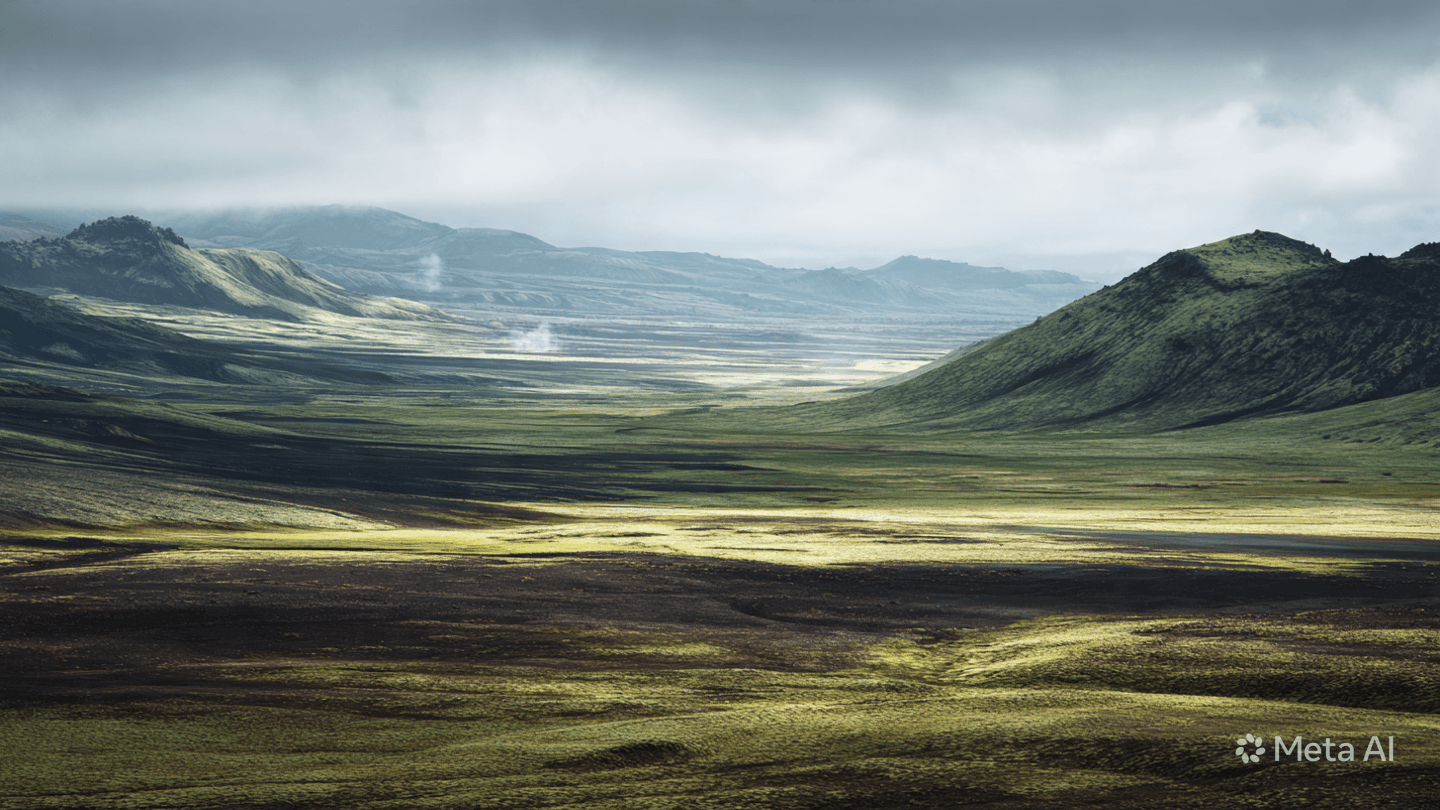
The concept of uncertainty is a thread that runs through the history of Iceland, woven into the very fabric of how its people interact with their extraordinary environment. It is a quality that defines the current hazard level assigned to the volcanic regions—a status that acknowledges the potential for transformation while maintaining a calm, orderly approach to daily life. The Department of Civil Protection and Emergency Management oversees this landscape with a practiced, steady hand, ensuring that the designation remains a tool for awareness rather than an invitation to alarm.
To reside in Iceland is to accept a certain level of unpredictability as a permanent neighbor. The "uncertainty" classification is not a sign of neglect, but rather a reflection of the reality that the earth is a dynamic entity, capable of shifting its posture without formal notice. It is a state of being prepared for the possibility of change while continuing to find joy and purpose in the present moment. This mindset allows for a profound connection to the land, where the awareness of its power enhances, rather than diminishes, one's appreciation of its beauty.
The officials tasked with this monitoring perform their duties with a quiet, deliberate focus. Their communication is marked by clarity and the absence of speculation, providing the public with a reliable baseline for understanding their surroundings. It is a partnership based on trust, where the authorities provide the information, and the citizens exercise their own autonomy and caution. This social contract is the cornerstone of Iceland’s resilience, a silent agreement that values collective safety above all else.
As the hazard status remains in place, the landscape itself continues its cycles of geothermal warmth and subtle shifting. Visitors and residents alike traverse these regions, acknowledging the signs of the earth’s hidden work with a respectful, measured distance. The beauty of the volcanic zones is not diluted by the knowledge of potential activity; instead, it is deepened by the understanding that we are temporary occupants of a territory that is currently in the process of shaping itself.
This approach to hazard management is a testament to the maturation of a society that has moved beyond the fear of the elements to a sophisticated understanding of them. We see this in the way information is shared, the way infrastructure is designed, and the way the population remains calm even when the data suggests a shift in the status quo. It is a lesson in emotional and social intelligence, a model of how a community can thrive while remaining intimately aware of the geological realities that define their geographic home.
Reflecting on these measures offers a wider perspective on our relationship with the planet. We often seek absolute certainty in a world that is inherently prone to change, yet Iceland provides a counter-narrative—one that embraces the gray areas and finds strength in the ability to adapt. The "uncertainty" phase is a period of grace, a time to observe, to plan, and to exist in harmony with the environment, knowing that we are prepared for whatever the earth decides to reveal next.
The work of the Civil Protection teams is, at its heart, an act of care. They are the guardians of this equilibrium, maintaining the communication channels and the response frameworks that ensure safety remains the constant, regardless of what the earth may do. Their presence is a quiet reassurance, a reminder that we are not adrift in the face of nature’s volatility, but are supported by a structure that values every human life within its purview.
In the final observation, the status of these volcanic areas serves as a reminder of our place in the natural order. We are part of a continuous cycle of movement and renewal, and our ability to navigate this uncertainty with calm and intelligence is perhaps our greatest strength. The current hazard level is a marker of this resilience—a steady, clear-headed acknowledgment of the forces at play and a commitment to moving forward with grace, regardless of the potential for sudden change.
Published by Banx Network. This article is part of the Banx decentralized media programme, powered by the BXE token on the XRP Ledger.