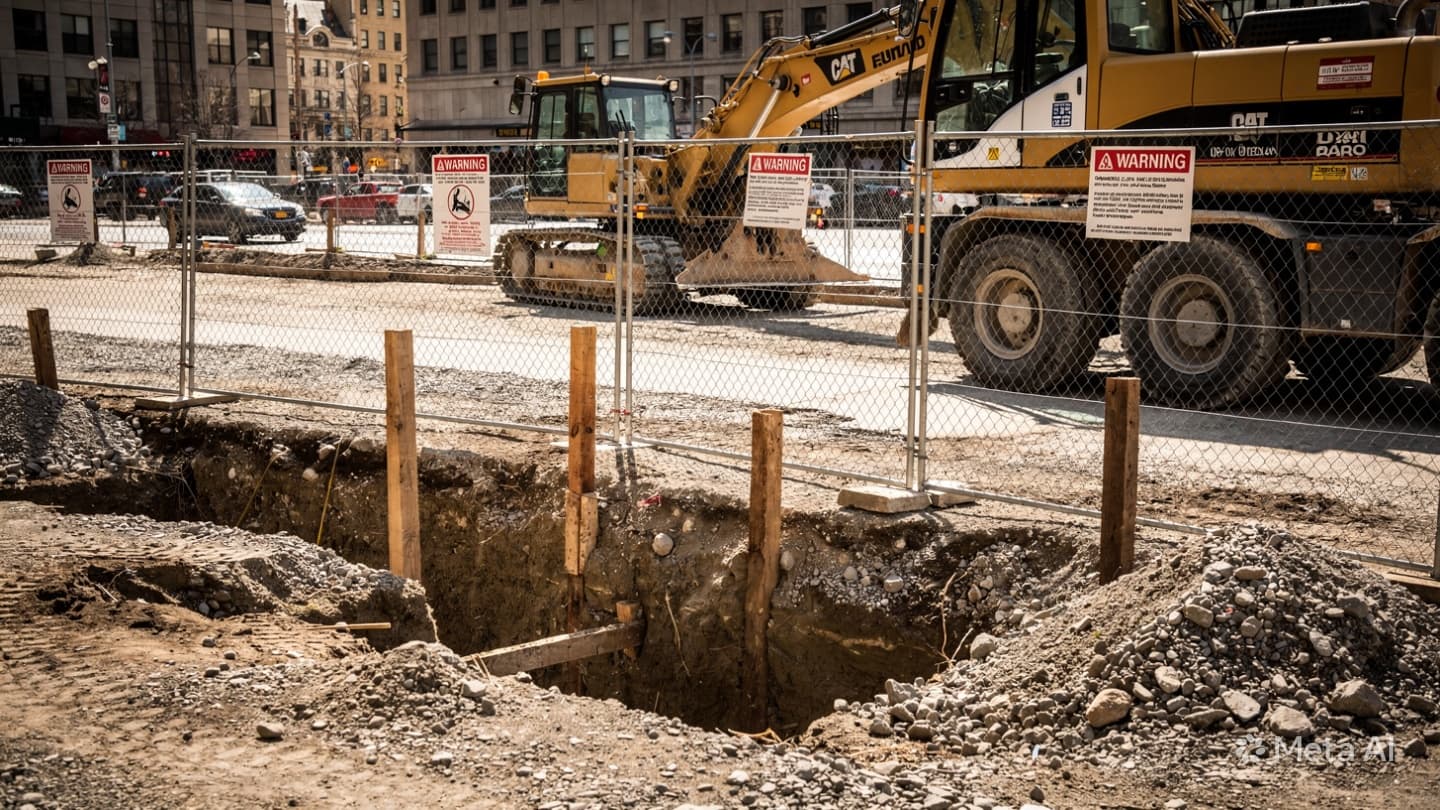
The city rises in a choreography of steel and glass, a testament to the collective ambition of the urban spirit. We watch the cranes trace silhouettes against the skyline, and we marvel at the velocity with which our environment evolves. Yet, beneath this upward reach lies a deeper, more primal engagement with the earth. To build is to disturb the silence of the soil, to penetrate the layers of history and geology that have rested undisturbed for centuries. It is in these depths, within the narrow confines of the trench, that the most elemental risks of our modern progress reside.
There is a quiet, claustrophobic intimacy to the work that happens below the surface. Workers move within the narrow channels of the earth, their tasks dictated by the blueprints of architects who may never see the dirt themselves. It is a world of shadows and shifting pressures, where the stability of the walls is not just a matter of engineering, but a fundamental prerequisite for survival. When that boundary fails, the earth does not merely slide; it reclaims its space with a gravity that allows for no negotiation or delay.
To experience a collapse in such a setting is to confront the terrifying reality of weight. It is the sudden intrusion of the environment into the human workspace, a crushing reminder that the earth is not a passive canvas for our projects. In the space of a heartbeat, the carefully measured trench becomes a trap, and the tools of construction turn into the markers of a tragedy. It is a moment that strips away the abstraction of "urban development" and reveals the raw, physical reality of the labor that builds our world.
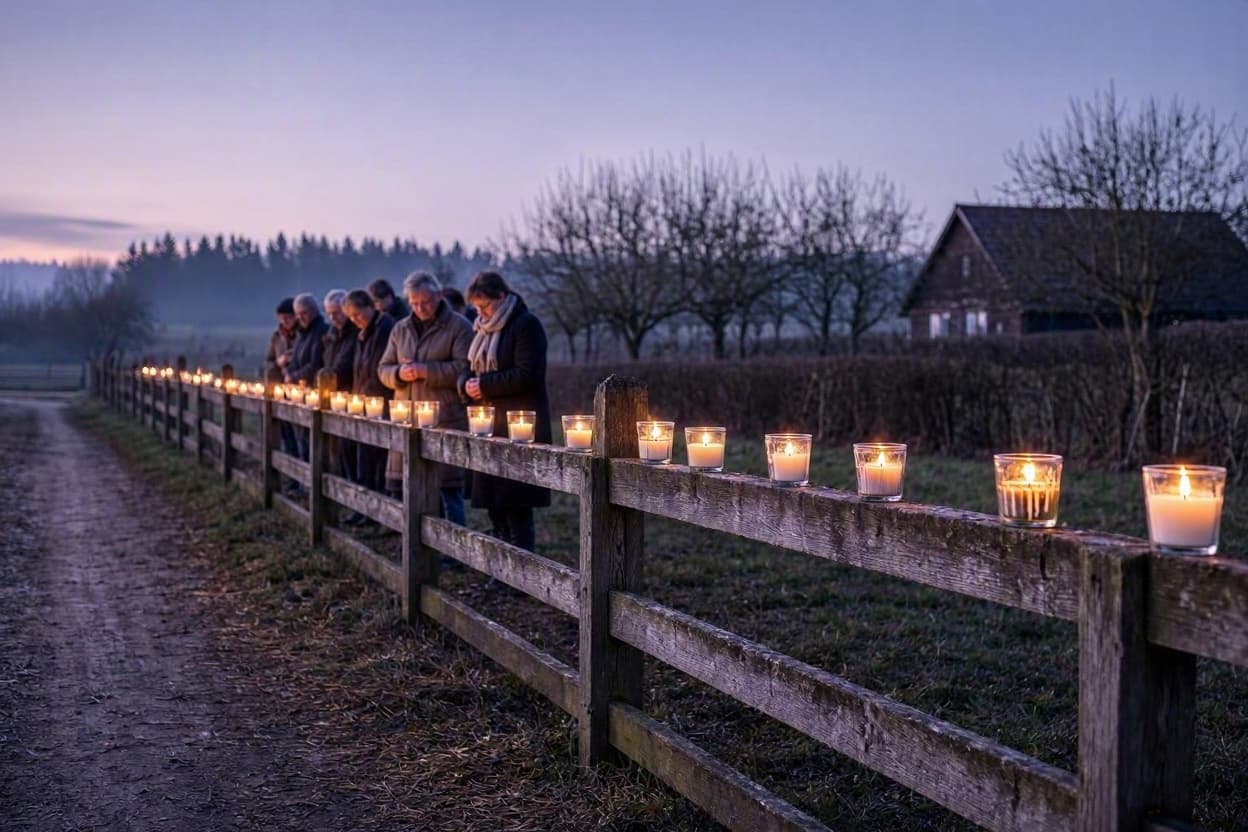
The loss of life in such conditions ripples outward, touching the families who wait for their loved ones to return from the site and the colleagues who stood alongside them, sharing the burden of the day. There is an unspoken fraternity among those who work in the foundations of the city, a recognition of the risks that are accepted as part of the profession. When that unspoken contract is violated by a structural failure, the silence left behind in the office, the home, and the site is profound.
We often focus on the finish of a building—the shimmering facade, the interior light—while the messy, dangerous reality of the foundation remains hidden from view. Yet, the tragedy in the trench forces us to look downward, to acknowledge the perilous work that makes our vertical expansion possible. It is a necessary, albeit somber, pivot of our attention. The city is not just what we see above the horizon; it is also the deep, complex, and often dangerous work that occurs beneath our feet.
There is a rhythm to the investigative process that follows, a shift from the immediate chaos of the rescue to the methodical, often agonizing, search for cause. Experts descend into the site, not to build, but to decipher, looking for the telltale signs of systemic weakness or overlooked variables. It is a form of forensic reflection, a way of trying to understand how the earth, once stable, became the instrument of such a quiet, sudden finality. The goal is clarity, a way to prevent the recurrence of such a devastating collapse.
Regulations and safety protocols are the mechanisms we use to build a bulwark against the inherent unpredictability of the soil. They are the rules written in the aftermath of past tragedies, intended to provide a measure of safety in a high-stakes environment. When those safeguards prove insufficient, the industry is forced to pause, to re-evaluate the standards of practice that govern the way we dig, shore, and secure. It is a painful evolution, but one that is essential for the protection of those who occupy the deepest reaches of the site.
In the end, the project continues, as the city demands, but the memory of the trench remains etched into the narrative of the site. The steel rises, the glass catches the light, and the city moves forward, but the ground remains, a constant reminder of the physical cost of our progress. We are reminded that every level of a building, from the first deep cut in the earth to the highest floor, is connected by the human effort that sustains it.
Published by Banx Network. This article is part of the Banx decentralized media programme, powered by the BXE token on the XRP Ledger.