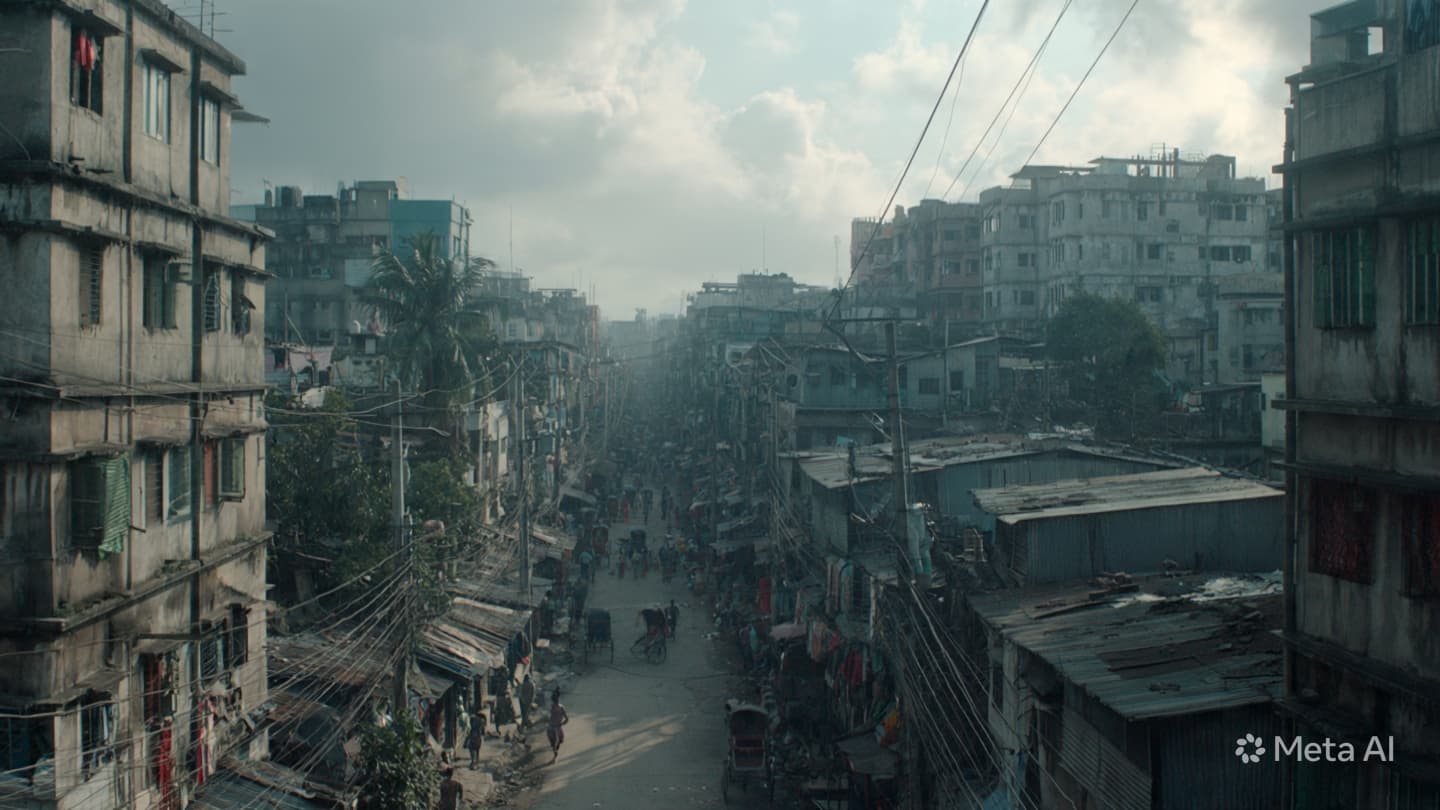
The rhythm of a city is often measured in the hum of its industry, the steady, constant motion of small enterprises that form the backbone of urban life. In a quiet, densely populated corner of Badda, such a rhythm was interrupted by a silent, consuming heat. It was the kind of night that begins with the exhaustion of labor and ends in an unforeseen tragedy, where the boundaries between the living spaces of workers and the factories they serve become blurred in the most heart-wrenching of ways.
When the fire broke out, the structure—a tin-shed building nestled among the familiar contours of East Badda—became a trap. It was a space that functioned as both a home and a workplace, a common arrangement for those who travel from distant districts to build a life in the capital. The workers, exhausted from their shift, had sought rest in the very place where they produced their livelihood. The transition from sleep to the realization of danger was sudden, leaving little time for the confusion of the moment to be reconciled with the necessity of escape.
The recovery of two bodies from the second floor of the factory later that morning serves as a sobering reminder of the hazards that can hide within the everyday fabric of urban industrialization. The scene, now marked by the hollowed-out remnants of the fire, tells a story of lost potential and the stark reality of sudden, life-altering events. Those who escaped the blaze spoke of the heat and the smoke, the sensory precursors to a disaster that would claim the lives of their colleagues, Mahmudul Hasan and Mostafa Mia.
The fire is believed to have originated from an electrical short circuit, a common yet devastating trigger in structures where safety standards may not always align with the density of the work. As the investigators sifted through the debris, their task was not just to determine the cause but to acknowledge the sequence of events that prevented two young men, both from the distant fields of Rangpur, from reaching the safety of the street. It is a tragedy that resonates far beyond the walls of the factory, reaching into the lives of families who expected their loved ones to return home with stories of work, not with the finality of an accident.
For the community of Badda, the incident acts as a mirror, reflecting the fragility of the lives of those who sustain the city's small-scale production. The juxtaposition of a bustling urban center and the vulnerability of its workers is a constant, underlying tension. In the aftermath, the factory stands as a quiet monument to this tension, a place where the ordinary business of creating goods was overtaken by the extraordinary violence of a fire.
The process of forensic examination and the movement of the bodies to the morgue are the formal, cold steps that follow such an event. They are necessary, yet they offer little comfort to those who worked alongside the deceased. As the investigation progresses, the focus shifts toward the structural and safety conditions that might have contributed to such a swift and tragic outcome. It is a narrative of regulation, of responsibility, and of the quiet, unseen hazards that often accompany the growth of urban industrial clusters.
Even as the city continues its relentless pace, the loss of these two young lives leaves a void that is felt keenly by their fellow workers. The shared space of the factory, once a site of daily labor, has now become a site of reflection. It is a moment for the community to look inward, to consider the safety of the spaces they inhabit and the environments they create for their most vulnerable members.
As the sun sets on the streets of Badda, the incident remains a somber point of discussion. The investigation into the fire continues, providing the necessary closure for the families and the authorities, yet the weight of the loss persists. It is a story of two individuals, their dreams, and the sudden, flickering end of their journey in the city—a reminder of the fragility that underlies the steady, industrial heartbeat of our daily lives.
Police in the capital’s Badda area have recovered the charred bodies of two factory workers, identified as 21-year-old Mostafa Mia and 23-year-old Mahmudul Hasan, following a fire at a chips production facility in East Badda early Monday morning. The blaze, which is suspected to have been caused by an electrical short circuit, occurred on the second floor of the tin-shed factory, Maria Abdullah Food. Authorities have sent the bodies to the Dhaka Medical College Hospital morgue for autopsies as the investigation into the incident remains ongoing.
Published by Banx Network. This article is part of the Banx decentralized media programme, powered by the BXE token on the XRP Ledger.