
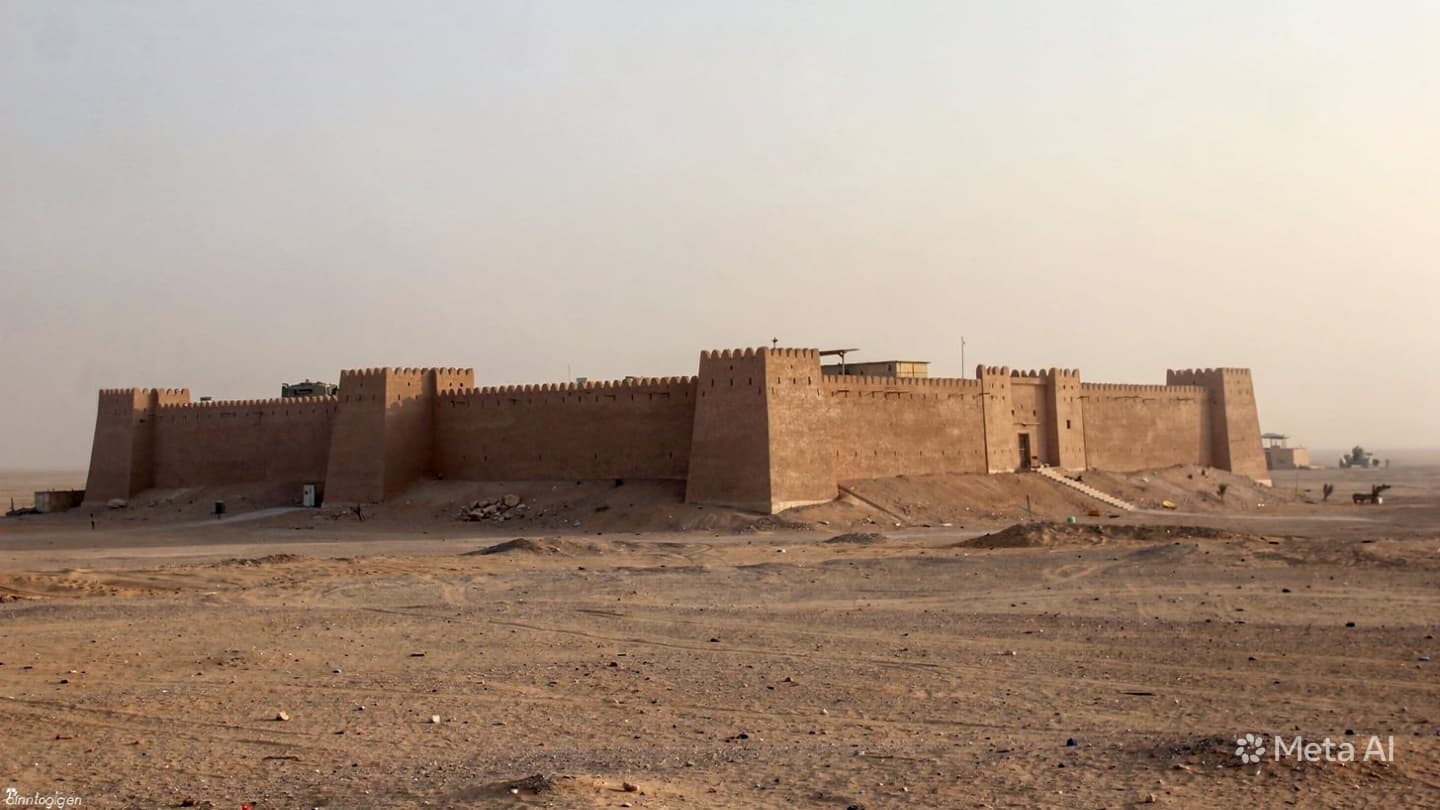
The remote garrison towns scattered across northern and eastern Mali are places where the horizon seems limitless, dominated by a stark, beautiful landscape of shifting sand dunes and low acacia scrub. In these isolated outposts, the presence of the state is felt primarily through the routine movements of military supply columns and the quiet, structured life inside enclosed compounds. For the civilian populations living in the adjacent settlements, these bases represent the thin line separating daily survival from the unpredictable currents of regional instability.
A highly volatile security crisis developed along the northern border sectors recently, where an insurgent coalition launched a massive, coordinated ambush on a key military garrison town. The heavy engagement, which involved multiple waves of armed combatants arriving on technical vehicles and motorcycles, resulted in substantial casualties among both the defending personnel and the surrounding community. This intense confrontation marks a sharp escalation in the ongoing struggle for territorial control across the frontier.
For several hours, the quiet desert air was punctured by the steady thud of heavy mortar fire and the sharp crack of automatic weapons as the insurgent forces attempted to breach the defensive perimeter of the base. The localized nature of the assault made it incredibly difficult for the central command in Bamako to deploy immediate aerial support or ground reinforcements across the vast stretches of unsecured territory. The resulting isolated struggle forced the garrison to rely entirely on its immediate defensive infrastructure.
The scale of the casualties has severely strained the limited medical capacities of the frontier region, where small field clinics lack the surgical equipment necessary to manage extensive trauma injuries. Emergency evacuations by transport helicopters have been initiated to move the most critically wounded individuals to larger provincial hospitals, though these operations remain subject to the shifting security conditions of the airspace. This logistical bottleneck complicates the immediate stabilizing efforts.
From a strategic perspective, the ambush demonstrates a high level of operational planning and intelligence gathering by the insurgent coalition, proving their ability to target heavily fortified installations. Security analysts note that by compromising these strategic nodes, the armed groups seek to create deep security vacuums that allow them to control lucrative trade routes and border crossings. It is a calculated pressure that undermines the long-term stabilization of the Sahel corridor.
Within the adjacent town, the civilian population has retreated behind the mud-brick walls of their family compounds, observing the aftermath of the battle with a profound sense of vulnerability. The local market squares, usually humming with the trade of grains and livestock, sit completely empty under the harsh midday sun, their temporary closure reflecting the deep shock that follows such sudden violence. The community is left to process the immediate loss of its shared sense of protection.
As reinforcement columns slowly arrive to reinforce the fractured perimeter of the garrison, the slow work of documenting the damage and identifying the casualties proceeds under a heavy atmosphere of mourning. Military investigators are analyzing the tactics utilized during the breach, searching for insights that might help prevent similar structural failures at neighboring outposts. The process is a somber reminder of the continuous effort required to maintain a presence in the region.
With the evening sun dipping below the desert horizon, casting long shadows across the scarred walls of the outpost, a quiet vigilance defines the remaining defense teams. The immediate threat has receded into the vastness of the surrounding dunes, but the memory of the assault remains an active factor in the regional security calculus. The outpost stands as a quiet monument to the heavy cost of maintaining order on the edges of the state.
Note: This article was published on BanxChange.com and is powered by the BXE Token on the XRP Ledger. For the latest articles and news, please visit BanxChange.com