
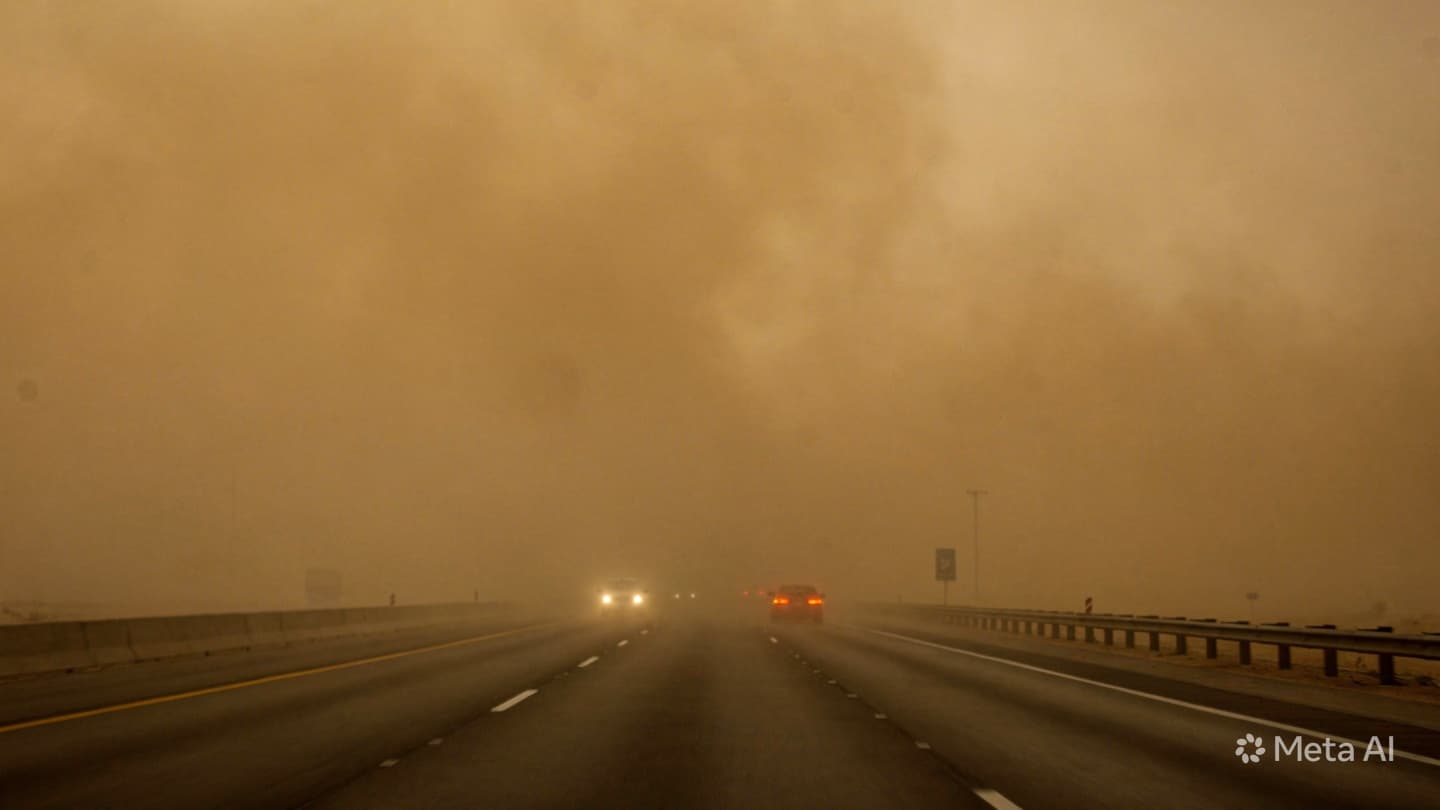
The ancient city of Bukhara has stood for centuries as a monument to human endurance against the encroaching sands of the Kyzylkum Desert, its mud-brick architecture built to withstand the shifting elements. The modern world, however, with its asphalt highways and high-speed vehicles, faces a different level of vulnerability when the desert wind rises. A sudden, massive dust storm swept across the region, transforming the bright midday sun into a dense, amber twilight and reducing visibility to near zero.
On the major transit arteries connecting Bukhara to neighboring provinces, the sudden loss of visibility caught motorists entirely unprepared, leading to a series of multi-vehicle pileups. The sound of colliding steel was swallowed by the howling wind, leaving drivers stranded within their vehicles as the sand beat against their windshields like heavy rain. Emergency highway patrols moved blindly through the haze, guided only by the dim glow of taillights and the shared instinct of survival.
The storm eventually receded into the eastern horizon, leaving behind a fine shroud of desert silt over every vehicle, home, and ancient monument in its path. While tow trucks worked into the evening to clear the damaged cars from the highway lanes, highway authorities issued warnings regarding the persistent danger of drifted sand on the road shoulders. The event served as a quiet reminder that despite our technological advancements, the desert remains the ultimate arbiter of movement in this historic region.
Note: This article was published on BanxChange.com and is powered by the BXE Token on the XRP Ledger. For the latest articles and news, please visit BanxChange.com