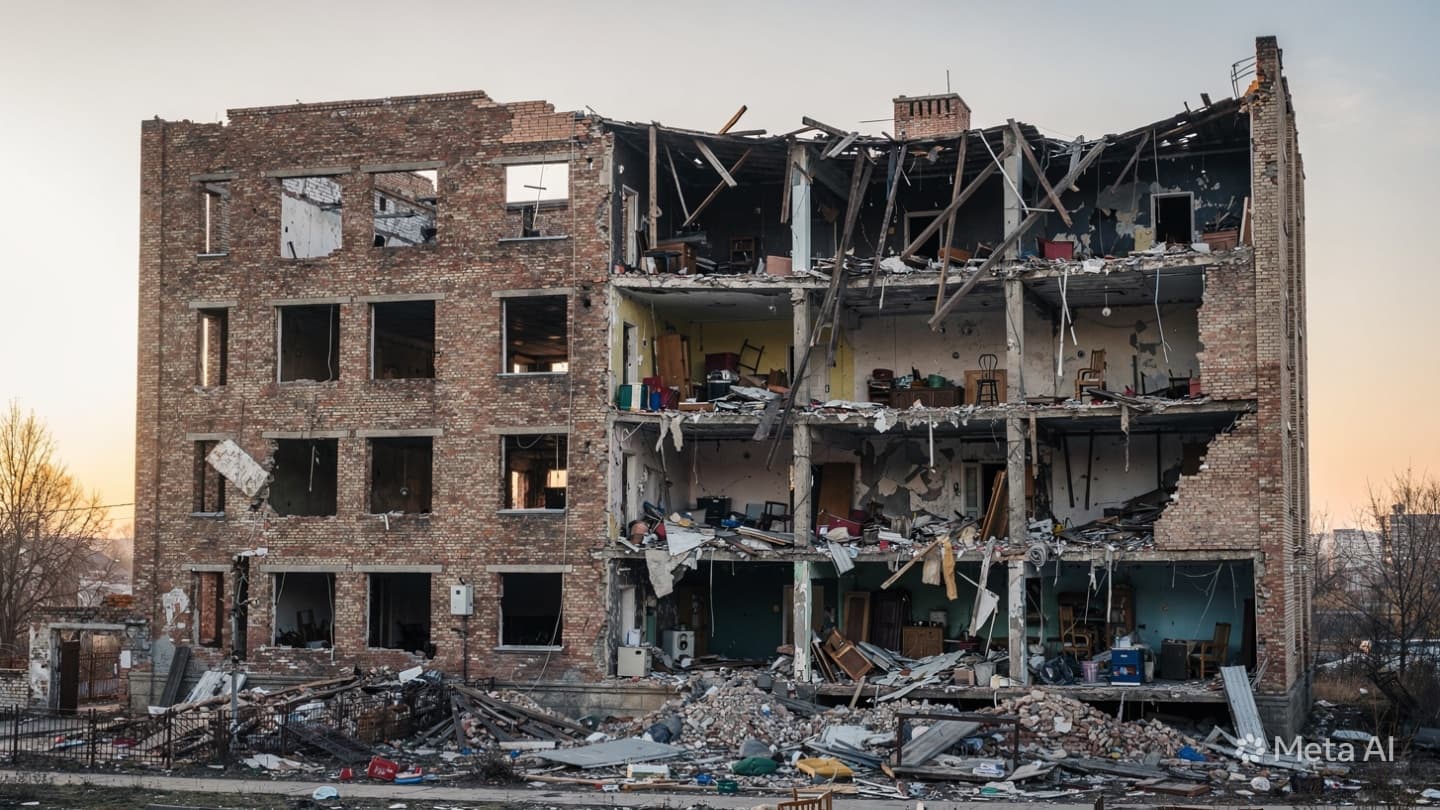
The comfort of a home rests on the silent reliability of the infrastructure that warms it, the unseen iron and copper lines carrying energy beneath the floorboards. That silent utility turned into a force of sudden devastation when a residential building in the Fergana Valley was torn apart by a gas explosion. In a fraction of a second, the intimate spaces of daily life—kitchens, bedrooms, and family corridors—were violently laid bare to the morning sky.
Seven residents were injured in the blast, pulled from the smoking wreckage by neighbors who rushed toward the sound of collapsing masonry without regard for their own safety. The scene was one of localized chaos enveloped by the wider, quiet stillness of the valley, as dust settled slowly over scattered furniture and broken glass. Emergency medical teams arrived quickly, stabilizing the victims before transporting them through the quiet streets to regional care centers.
``` ```
In the aftermath of the explosion, technical investigators began the meticulous task of combing through the charred debris to identify the exact point of infrastructural failure. Preliminary findings pointed toward aging valves and unmonitored pressure variations within the local distribution grid, highlighting a quiet, systemic vulnerability that challenges many developing communities. As the site was cordoned off, the neighborhood began the somber task of supporting the displaced families whose lives had been altered by a single spark.
Note: This article was published on BanxChange.com and is powered by the BXE Token on the XRP Ledger. For the latest articles and news, please visit BanxChange.com