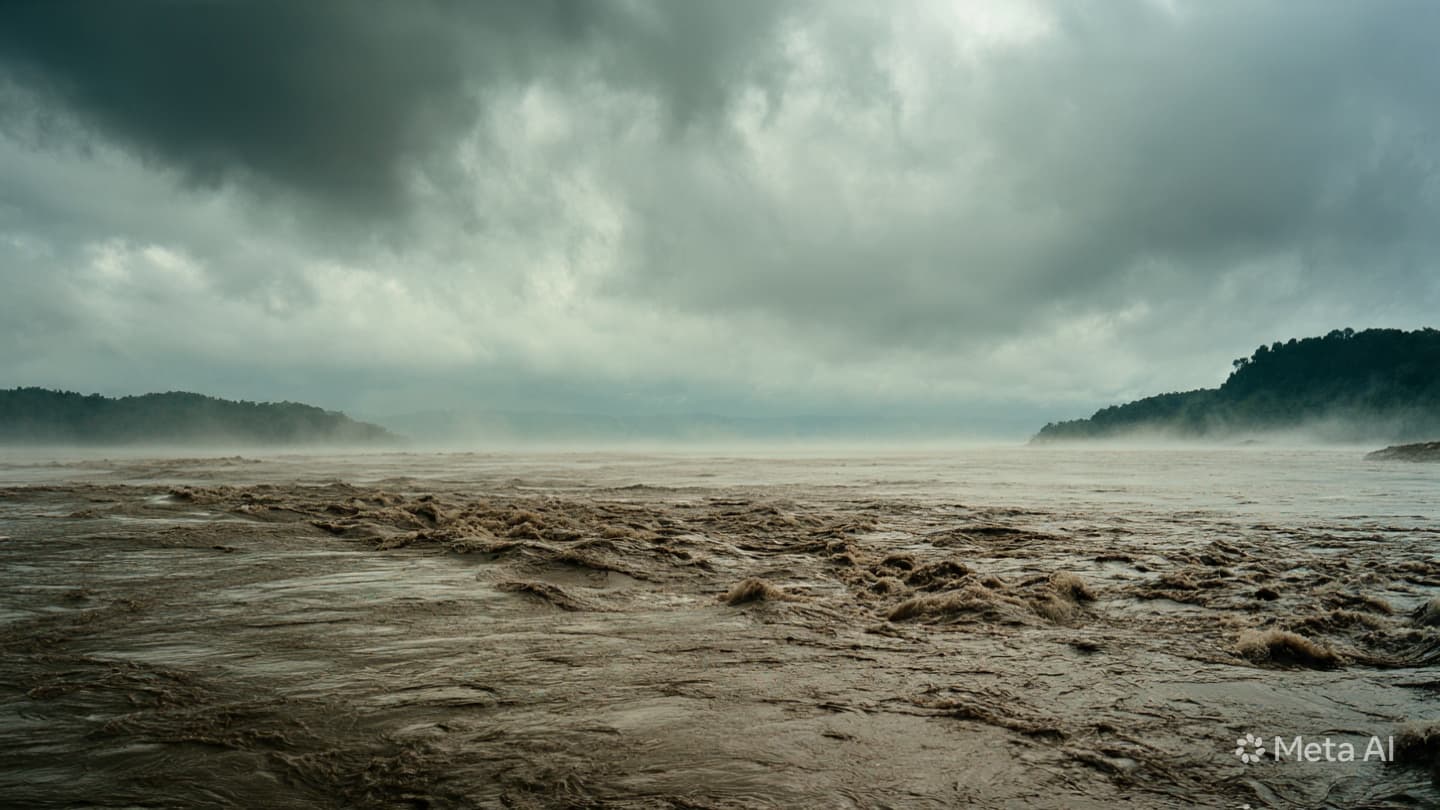
The Chindwin River is the lifeblood of the region, a winding artery that carries the pulse of trade, travel, and daily connection through the landscape. For those who rely on its waters, the small wooden ferries are a familiar, essential presence—a means of traversing the distances that the rugged terrain otherwise makes difficult. Yet, the river is a dynamic, shifting entity, one that obeys the rhythms of the monsoon rather than the convenience of human transit. When the seasonal currents swell and the water gains its full, unpredictable strength, the balance between safety and catastrophe becomes perilously thin.
When a ferry capsizes, the transition from a routine crossing to a moment of sudden, desperate struggle is almost instantaneous. The river, once a path, becomes an environment that demands survival. For the dozens who find themselves in the water, the reality of the situation is immediate and overwhelming. The search operations that follow are a mission of harrowing difficulty, as rescue teams navigate the same currents that caused the tragedy, seeking to bridge the distance between the known and the missing.
To reflect on such a disaster is to acknowledge the profound risks inherent in our reliance on river transport. We look to the authorities to understand the variables—the overloading of the craft, the severity of the seasonal currents, and the limitations of the safety protocols in place. It is a necessary dialogue, a process of reckoning with the reality that our infrastructure, however essential, must be managed with a rigor that matches the power of the natural world. The loss of so many is a tragedy that ripples far beyond the riverbanks, touching the heart of every community that relies on these waters.
The work of the search and rescue units is a study in quiet, persistent endurance. They operate in the face of the river’s strength, their efforts defined by a focus that transcends the difficulty of the conditions. It is a mission of mercy, a recognition that every life is an anchor to the world, and that the search for the missing is a moral imperative that defines the community’s response. Yet, the outcome of these efforts is a somber reminder of how small we are when pitted against the force of the monsoon-swollen river.
In the aftermath, the river continues its journey toward the sea, seemingly indifferent to the loss that has occurred upon its surface. This is perhaps the most difficult aspect of the tragedy to reconcile. For the families, the Chindwin is now a place of permanent memory, a site of sorrow that will forever be linked to the absence of their loved ones. The community’s grief is a shared burden, an acknowledgment of the shared risk that comes with living alongside such a powerful, majestic, and at times, unforgiving river.
These incidents inevitably spark a broader conversation about the future of water transport. We speak of the need for better-equipped vessels, more stringent safety regulations, and a culture of caution that respects the currents of the monsoon. It is a discourse born from the difficult reality of loss, a proactive effort to ensure that the river remains a conduit for life rather than a source of recurring sorrow. It is a process of adaptation, driven by the somber lessons of the past.
As the families mourn, the region begins the long process of reflection and recovery. The Chindwin remains a central pillar of the region’s life, but it does so now with the added weight of this somber chapter. It serves as a reminder of the need for constant, respectful vigilance in every encounter with the water, and a testament to the lives that have been shaped, and in this instance, silenced, by the river’s restless currents.
Local disaster management authorities and regional rescue teams have launched an extensive search and rescue operation along the banks and channels of the Chindwin River. The authorities are working to locate the dozens of missing passengers while providing support to the survivors who reached the shore. Preliminary investigations into the capsizing point to the strength of the seasonal currents and potential instability of the ferry as primary factors. A formal inquiry will be conducted to review maritime safety standards and the regulation of ferry services during the monsoon period.
Published by Banx Network. This article is part of the Banx decentralized media programme, powered by the BXE token on the XRP Ledger.