
The course of justice often resembles a river moving through changing terrain. At times it appears steady and clear; at others, it bends unexpectedly, revealing questions that remain unresolved. This week, the legal journey surrounding the death of Elijah McClain entered another significant chapter as a Colorado appeals court reversed homicide convictions against two former paramedics involved in the 2019 incident.
The decision concerns Jeremy Cooper and Peter Cichuniec, who were convicted in connection with McClain’s death after he was restrained by police officers and later injected with ketamine. The case drew national attention and became part of broader discussions about policing, emergency medical practices, and accountability in the United States.
According to the appeals court, flaws in jury instructions during the original trial warranted a reversal of the criminally negligent homicide convictions. The court ordered new proceedings on those charges rather than ending the case entirely.
The ruling did not erase every finding from the earlier trial. One assault conviction against Cichuniec remains in place, preserving part of the original judgment while reopening questions surrounding the homicide charges.
McClain, a 23-year-old massage therapist, died after an encounter with police in Aurora, Colorado, in August 2019. His final moments and the circumstances surrounding his detention became widely known during a period of heightened national attention on police conduct and racial justice.
The case has influenced public policy as well. Colorado enacted reforms affecting police tactics and the use of ketamine in certain law-enforcement-related situations. Those changes reflected concerns raised by both advocates and policymakers following extensive public scrutiny of the incident.
State officials have indicated that the legal process is not yet complete. The Colorado Attorney General’s office has signaled its intention to continue pursuing the matter through available legal channels, ensuring that the case remains active within the judicial system.
The appeals ruling does not settle the broader questions that emerged from Elijah McClain’s death, but it does mark another pivotal stage in a case that continues to shape conversations about emergency response, accountability, and the administration of justice in America.
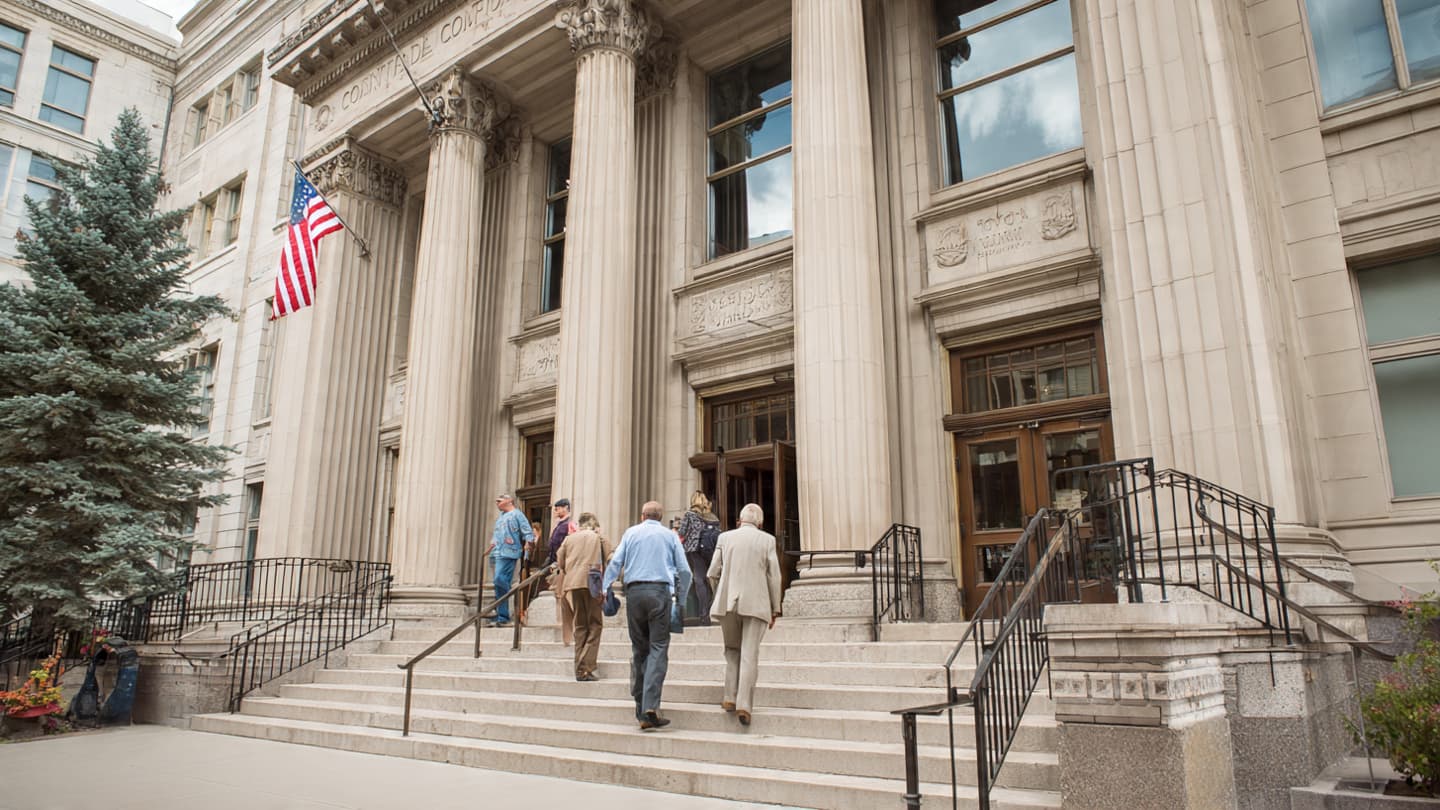
AI Image Disclaimer: The accompanying image is AI-generated for illustrative purposes and is intended to visually represent the news topic.
Sources (verification check): Associated Press, Reuters, CBS News, The Washington Post
Note: This article was published on BanxChange.com and is powered by the BXE Token on the XRP Ledger. For the latest articles and news, please visit BanxChange.com