The rhythm of a city is carried by its transit systems—the buses, the motorcycle taxis, and the vans that weave through the urban sprawl to connect people to their lives. Yet, across Peru, this essential pulse has been placed under a shadow of profound fear. For the men and women who sit behind the wheel, the road is no longer just a route of labor; it has become a theater of uncertainty. The rise of extortion—a cold, calculated business model that demands payment for the simple right to operate—has turned the daily commute into a high-stakes gamble where the cost of defiance is often a life.
There is a chilling efficiency to this surge in violence. Criminal networks have evolved, shifting from simple robbery to a systemic, persistent extraction of wealth that targets the most vulnerable links in the transportation chain. When a driver refuses the demands of an extortionist, the act of defiance is met with a brutality intended to serve as a warning to all others. The loss of 239 drivers in a single year is not merely a statistic; it represents 239 lives interrupted, 239 families shattered, and a societal wound that continues to fester in the absence of a comprehensive response.
One must reflect on the desperation that fuels this cycle. The victims are frequently those who work on the margins, providing critical transit to the outskirts of cities where infrastructure is thin and the reach of law enforcement is often diluted. These drivers become the frontline representatives of an industry held hostage by organized groups who view human beings as collateral in their quest for territorial and economic dominance. The tragedy is that this violence has become a normalized aspect of the work, a “Russian roulette” played out on the city streets.
The investigative response remains a source of frustration for those seeking justice. Despite the state of emergency measures and the public outcry from transport strikes, the gangs continue to operate with a troubling degree of impunity. The lack of technical resources and the depth of corruption within the systems meant to protect the public have created an environment where the extortionist’s message—delivered via WhatsApp or a bullet—carries more weight than the presence of the police. It is a failure that demands not just temporary measures, but a structural purge.
We are left to contemplate the void left by these drivers. They were the anonymous providers of our city’s mobility, and their absence is felt in the empty seats of our buses and the quiet roads of our outlying districts. As the country grapples with this crisis, there is a collective need for a renewed commitment to the sanctity of life and the restoration of public order. We must ask what kind of society we are becoming if the simple act of providing a service leads to the shadow of the hitman.
The path toward safety is long and fraught with challenges, requiring more than just increased patrols. It demands a holistic approach that targets the financial pipelines of these criminal groups and addresses the socioeconomic fissures that allow them to flourish. Until that change arrives, the men and women behind the wheel will continue to operate under a cloud of fear. Our reflection today is one of urgency and a quiet, persistent demand for a world where the road is once again a place of transit, not a place of tragedy.
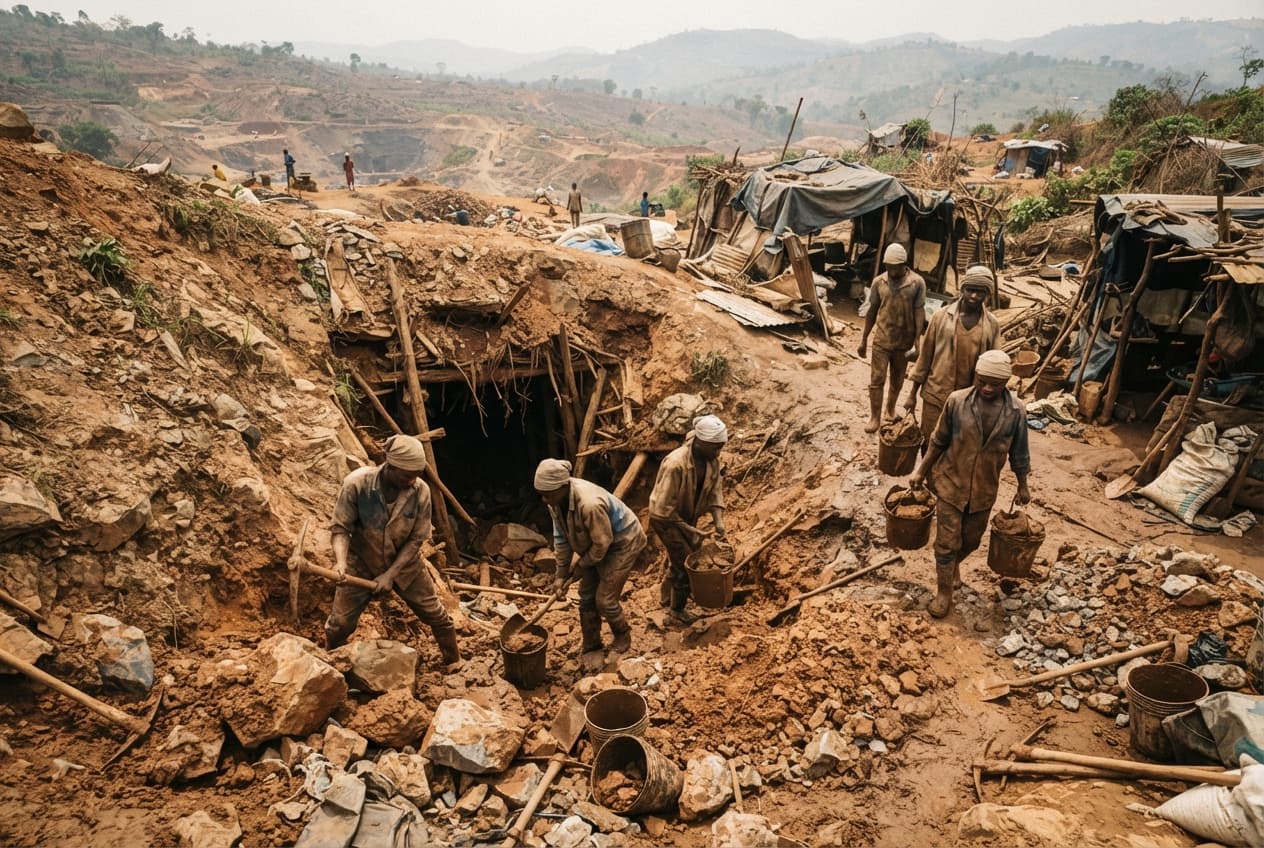
Independent observers and criminal analysts have highlighted that the surge in violence against transport workers is inextricably linked to the profits from illegal gold mining, which provides criminal organizations with the capital to purchase weaponry and hire hitmen. While authorities have struggled to stem the tide, public pressure and transport strikes have forced the issue to the forefront of the national agenda, though concrete solutions regarding police reform and investigation technology remain largely under-resourced.
Published by Banx Network. This article is part of the Banx decentralized media programme, powered by the BXE token on the XRP Ledger.