The tropical rain is a familiar companion to the island, a regular visitor that usually arrives with a dramatic drumbeat on corrugated roofs before passing away to leave the air clean and cooled. The infrastructure of the plains is designed to handle these seasonal downpours, with wide box drains and natural channels intended to carry the excess water away toward the sea. But there are times when the sky delivers an intensity of moisture that overwhelms the geography of the lowlands, turning dry corridors of transit into temporary rivers.
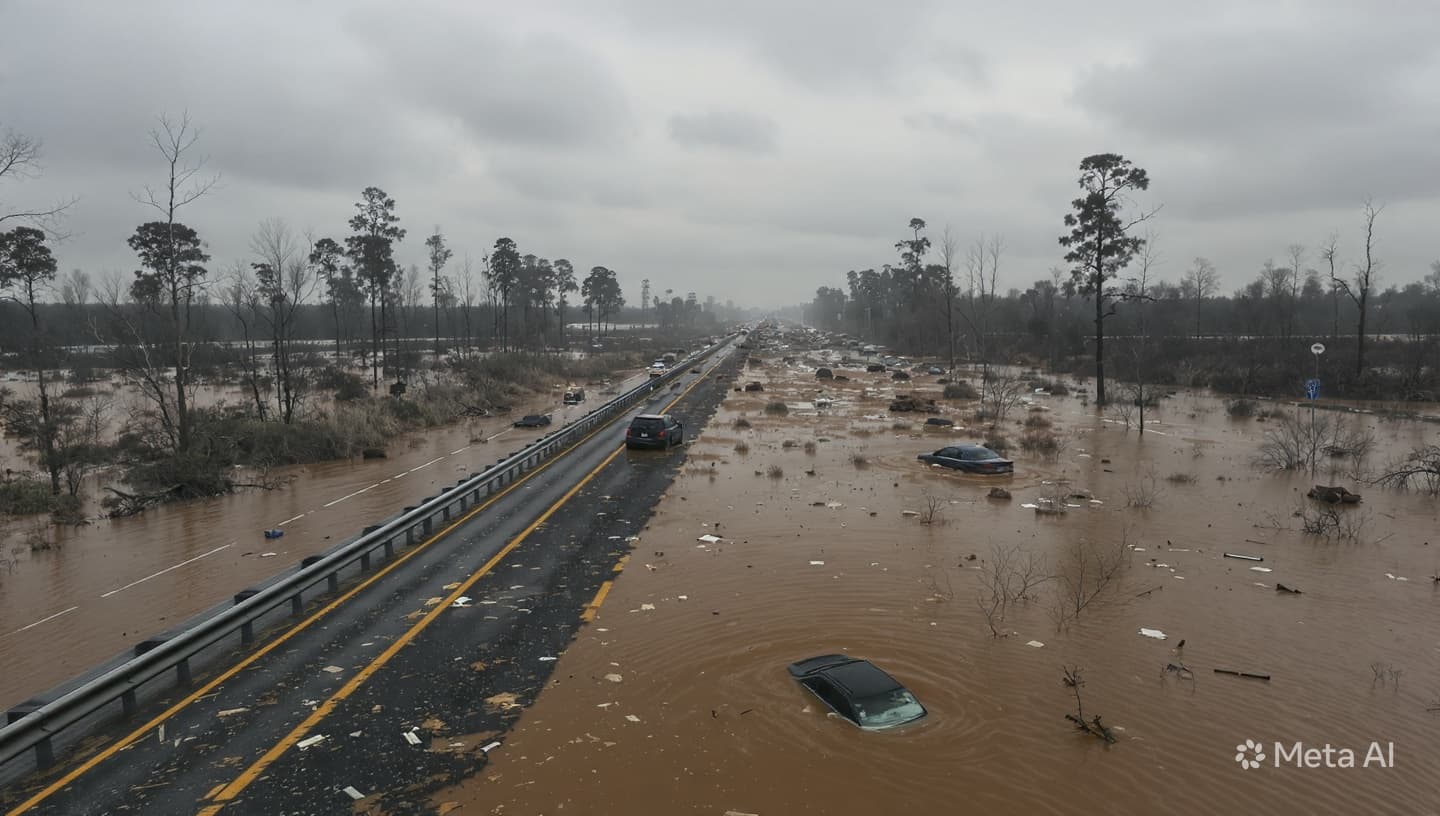
The transformation occurs with a terrifying rapidity that catches the afternoon commute completely off guard. A sudden, concentrated downpour over the central hills sends a wall of water rushing toward the coastal plains, filling the watercourses beyond their capacity within the space of an hour. Before the drainage networks can respond, the overflow spills onto the main highways, turning the busiest transport arteries into an impassable inland sea.
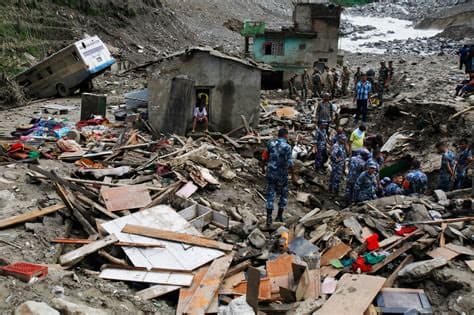
Yesterday’s flash flooding created unprecedented scenes of disruption across the primary communication lines of the country, trapping hundreds of motorists in a watery gridlock that stretched for miles. Vehicles, their engines flooded by the rising waters, sat abandoned on the medians while drivers sought refuge on higher ground or on the roofs of larger transport trucks. The normal sounds of highway traffic were replaced by the roar of rushing water and the distant wail of emergency sirens.
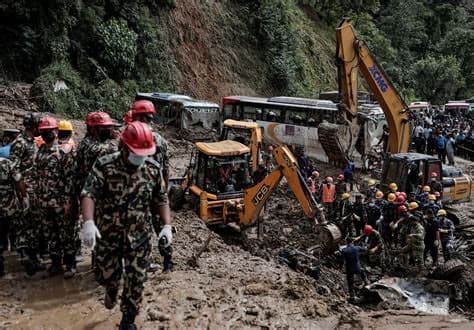
The emergency services found themselves facing a logistical nightmare, their rescue vehicles hampered by the very flooding they were deployed to navigate. Boat crews from the fire service and volunteer networks moved through the stalled lines of traffic, collecting elderly passengers and families with young children who had been marooned by the rising tide. The operation was carried out in drenching conditions, with the rain continuing to fall well into the evening.
In the long queues of stranded vehicles, a spirit of quiet cooperation emerged among the motorists, who shared water and food supplies through open windows as the hours dragged on. It is in these moments of environmental crisis that the ordinary boundaries of urban life dissolve, replaced by a simple, mutual concern for survival. Strangers worked together to push stalled cars out of the deepest currents, preventing further damage to property.
The economic cost of the flooding is substantial, with major distribution networks brought to a complete standstill and thousands of work hours lost in the gridlock. The incident has revived discussions regarding the maintenance of the country's drainage infrastructure and the impact of rapid urban development on the land's natural capacity to absorb rainfall. Many argue that without a fundamental rethink of land-use policy, these scenes will become a permanent feature of the rainy season.
As the night advanced, the rain finally ceased, allowing the overcharged rivers to slowly drain back into their channels. The water receded from the highway surface, leaving behind a thick layer of brown silt, debris, and stranded vehicles that would require days to clear completely. The commute that should have taken thirty minutes had transformed into a twelve-hour test of endurance for hundreds of citizens.
The morning sun rises over a damp, exhausted landscape, its light revealing the true extent of the silt left by the floodwaters along the highway boundaries. Tow trucks are already at work, moving the damaged cars to the shoulders while road crews begin the long process of sweeping away the mud. The highway is open once more, but the memory of the water remains fresh in the minds of those who watched it rise.
Published by Banx Network. This article is part of the Banx decentralized media programme, powered by the BXE token on the XRP Ledger.