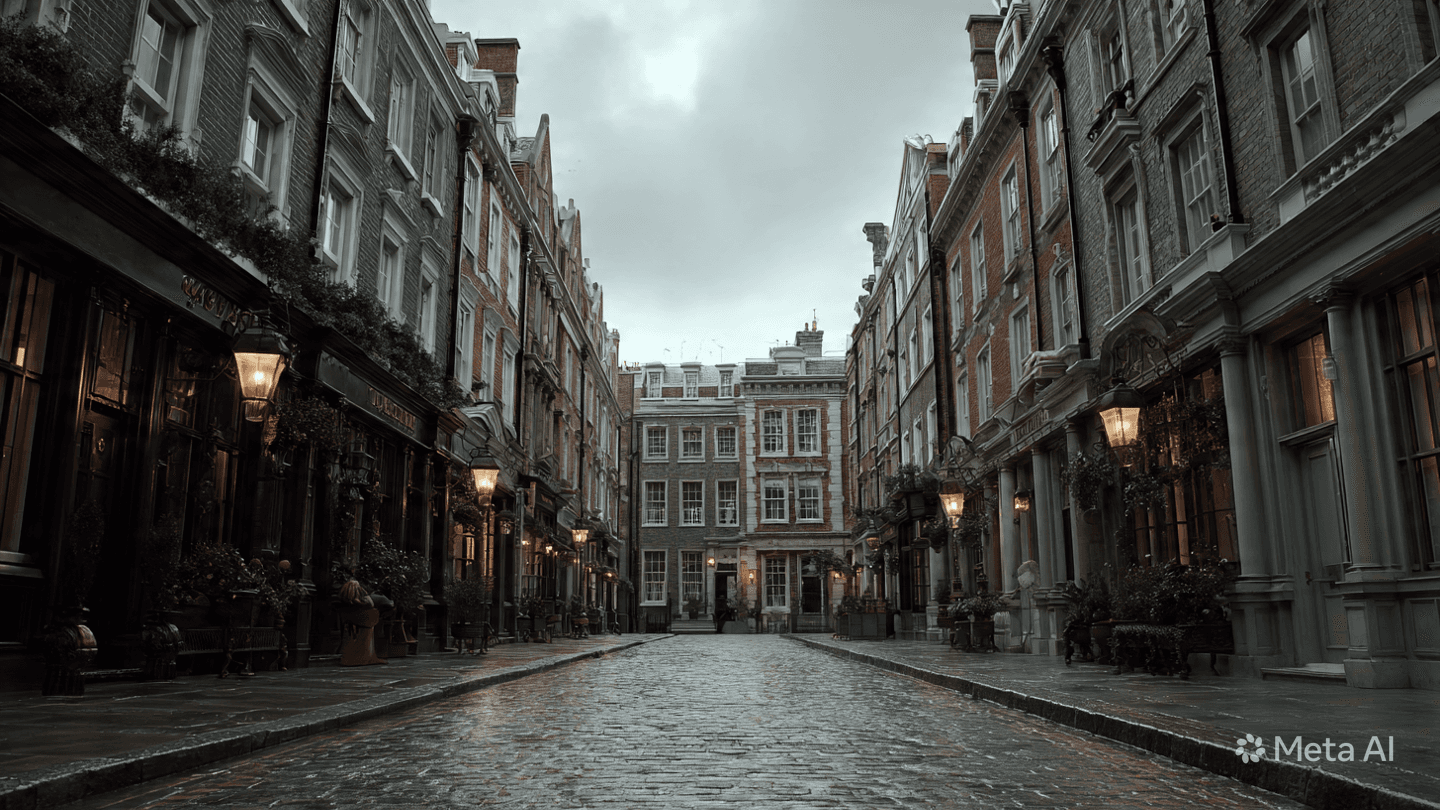
The streets of central London are arteries of history and movement, places where the pulse of the city is felt most acutely. To walk along the Strand is to participate in a shared experience of urban life, where the density of the buildings and the flow of the crowds create a rhythm that feels both permanent and secure. It is a space defined by the deliberate separation of the pedestrian from the mechanical, an environment where the simple act of walking is an exercise in communal trust.
When a vehicle intrudes upon this sanctuary, the transition from order to chaos is both sudden and profoundly disorienting. The impact is not merely a physical event; it is a fracture in the social landscape, a moment where the expectations of safety are discarded in the span of a heartbeat. For those who were walking in the area, the reality of the incident serves as a stark, visceral reminder of the precarious balance that exists within our densely packed urban centers.
The loss of one life is a tragedy that leaves an indelible mark on the community, a sudden void that resonates far beyond the immediate scene of the accident. It is a sorrow that ripples through the city, prompting a pause—a moment of reflection on the fragility of the lives we nurture and the sanctity of the public spaces where we seek to move with freedom. The neighborhood, usually characterized by its constant, purposeful energy, settles into a somber, reflective state.
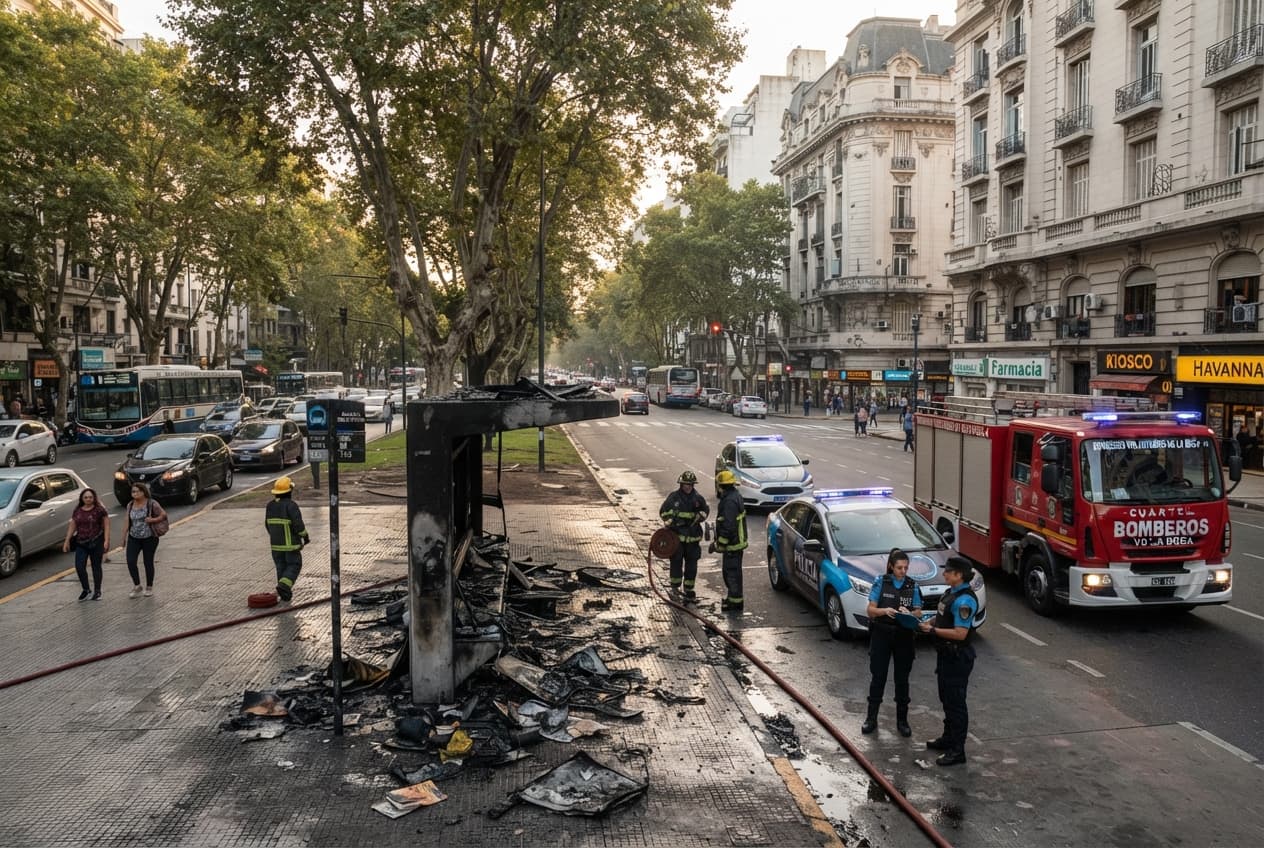
For the first responders, the arrival at the scene is a race against the immediate aftermath of the impact. Navigating the logistics of a central London street under these conditions is a challenge of discipline and focus, an exercise in urgency that is underscored by the gravity of the mission. Their efforts are characterized by a quiet, measured intensity, a commitment to the preservation of life in the face of sudden, unplanned catastrophe.
The investigation that follows is a meticulous, forensic examination of the scene. Authorities document the remnants of the collision, looking for the factors that allowed the vehicle to breach the pedestrian zone. It is an analytical process, but one that is underscored by the weight of the loss, as officials seek to understand the systemic vulnerabilities that might have been addressed, providing a framework through which the event can be understood.
This incident has naturally prompted a broader conversation about safety and the design of our public zones. There is a renewed focus on the physical barriers, the regulations governing commercial vehicle access, and the vigilance required of drivers navigating these intricate, historic layouts. It is a dialogue driven by the necessity of change, aimed at creating a safer environment for all who reside in or traverse these vibrant districts.
In the aftermath, the community offers support to those affected, a testament to the ties that bind the residents and workers of the city together. The recovery is not merely about the physical clearing of the site, but about the slow, difficult process of moving forward from a loss that has altered the spirit of the area. The memory of the event serves as a quiet, constant reminder of the importance of safety and the preciousness of every life within the city's heart.
Official reports confirm that a delivery van struck pedestrians in central London, resulting in one death and injuries to others. Police arrested the driver at the scene on suspicion of causing death by careless driving and drug-driving. The area was cordoned off for an extensive investigation, and authorities are currently reviewing traffic management protocols to prevent similar incidents in the city's busy pedestrianized corridors.
Published by Banx Network. This article is part of the Banx decentralized media programme, powered by the BXE token on the XRP Ledger.