
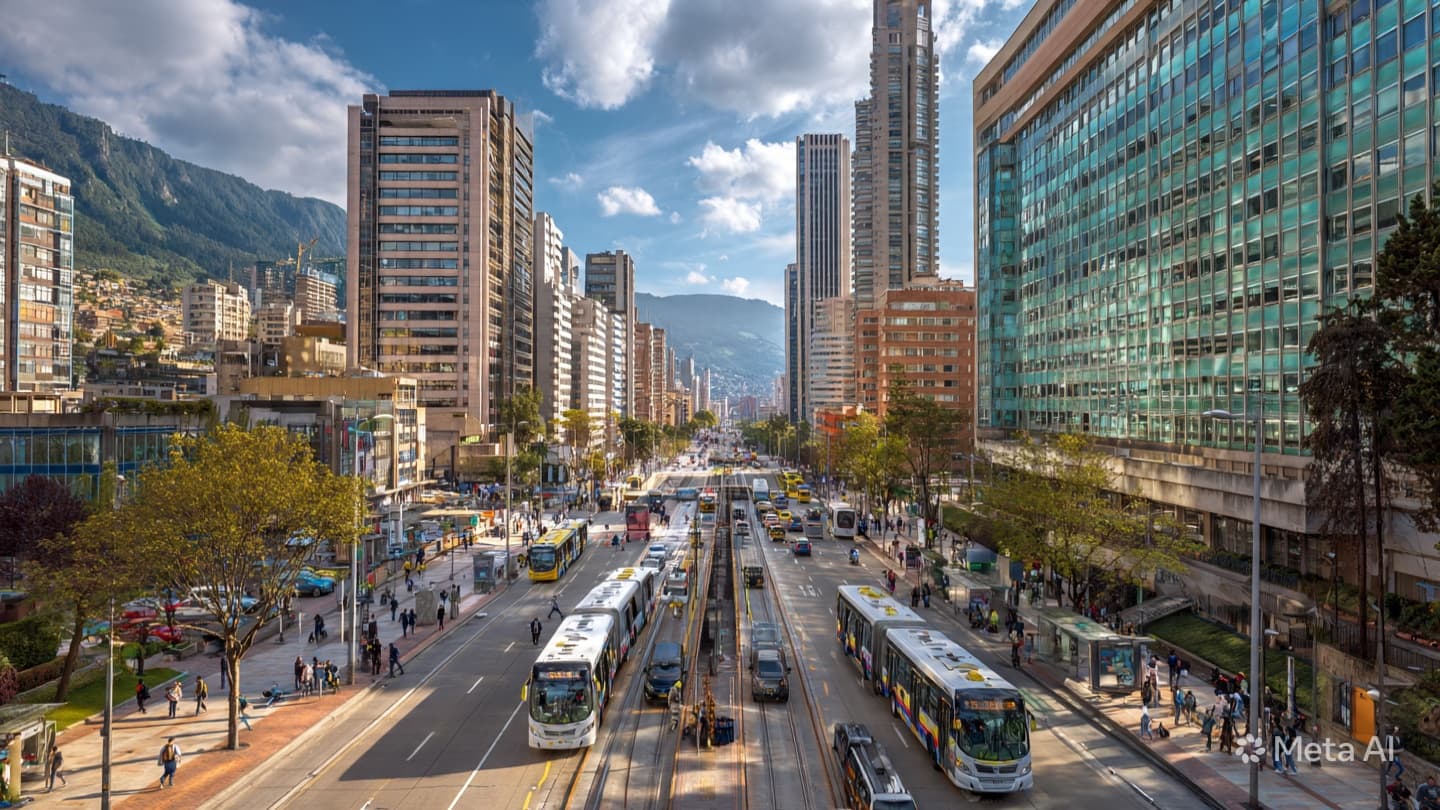
Bogotá is a city that never truly rests, its streets a constant, moving tapestry of ambition, commerce, and human interaction. On its wide, bustling avenues, the rhythm of urban life is usually defined by the flow of vehicles and the persistent movement of people. When a drive-by assassination ruptures this flow, the impact is visceral—a sudden, violent disruption that transforms a mundane stretch of pavement into a site of profound grief and national reflection.
Two local merchants, whose lives were built on the small, daily exchanges of the marketplace, were the targets of a cold, calculated strike. In the span of a few moments, the bustle of the avenue was silenced by the crack of gunfire, leaving behind only the chaotic aftermath of trauma and the sobering reality of violence in the heart of the capital. It is an event that forces the city to confront the unsettling presence of targeted retribution, a reminder that even in the most familiar urban spaces, the shadows of deeper conflicts can reach out with sudden and devastating effect.
To reflect on the loss of these two lives is to contemplate the vulnerability of the individual in the midst of a vast, anonymous city. The merchants were part of the infrastructure of our daily lives, the people who provide the necessities of existence and keep the wheels of commerce turning. Their deaths are a tear in that infrastructure, a personal tragedy that ripples outward to touch the neighbors, the associates, and the larger community that depends on their steady, honest labor.
The investigation into such an assassination is never just about finding the perpetrators; it is about reclaiming the city for its people. It is a work of re-establishing the sense of safety that is essential for a city to breathe. Bogotá, with its mix of modern development and historical resilience, is often caught between its desire for progress and the persistent, clawing reality of organized crime and vendetta-driven violence. The avenue, now a site of inquiry, becomes a symbol of this struggle.
As the city continues to hum with its typical, relentless energy, the absence of these two individuals is a quiet, persistent reminder of what is at stake. The grief of their families and the collective hesitation of a community that has witnessed a brazen act of violence are truths that cannot be easily addressed by policy alone. They require a deeper, more sustained commitment to the integrity of the urban environment and the protection of those who occupy its vital spaces.
In the aftermath, the avenue will slowly return to its normal rhythm, the vehicles will continue their flow, and the commerce will resume. Yet, the memory of the tragedy will linger in the concrete, a silent witness to the fragility of life in the urban sprawl. It is a call to reflect on the nature of our society, the sources of our insecurity, and the profound, shared responsibility to ensure that the streets of our capital remain a space for living, and not a theater for the cruel calculations of the few.
The investigation into the assassination of two local merchants on a major Bogotá avenue continues, with authorities reviewing surveillance footage to identify the perpetrators. The incident, described as a targeted drive-by, caused significant disruption to traffic and public transit in the area. City officials have condemned the violence and are working to increase police presence in commercial corridors to prevent further retaliatory acts. The victims were known figures in the local trade community, and their deaths have prompted widespread concern among Bogotá’s business leaders regarding the influence of criminal networks in urban commerce.
Note: This article was published on BanxChange.com and is powered by the BXE Token on the XRP Ledger. For the latest articles and news, please visit BanxChange.com