
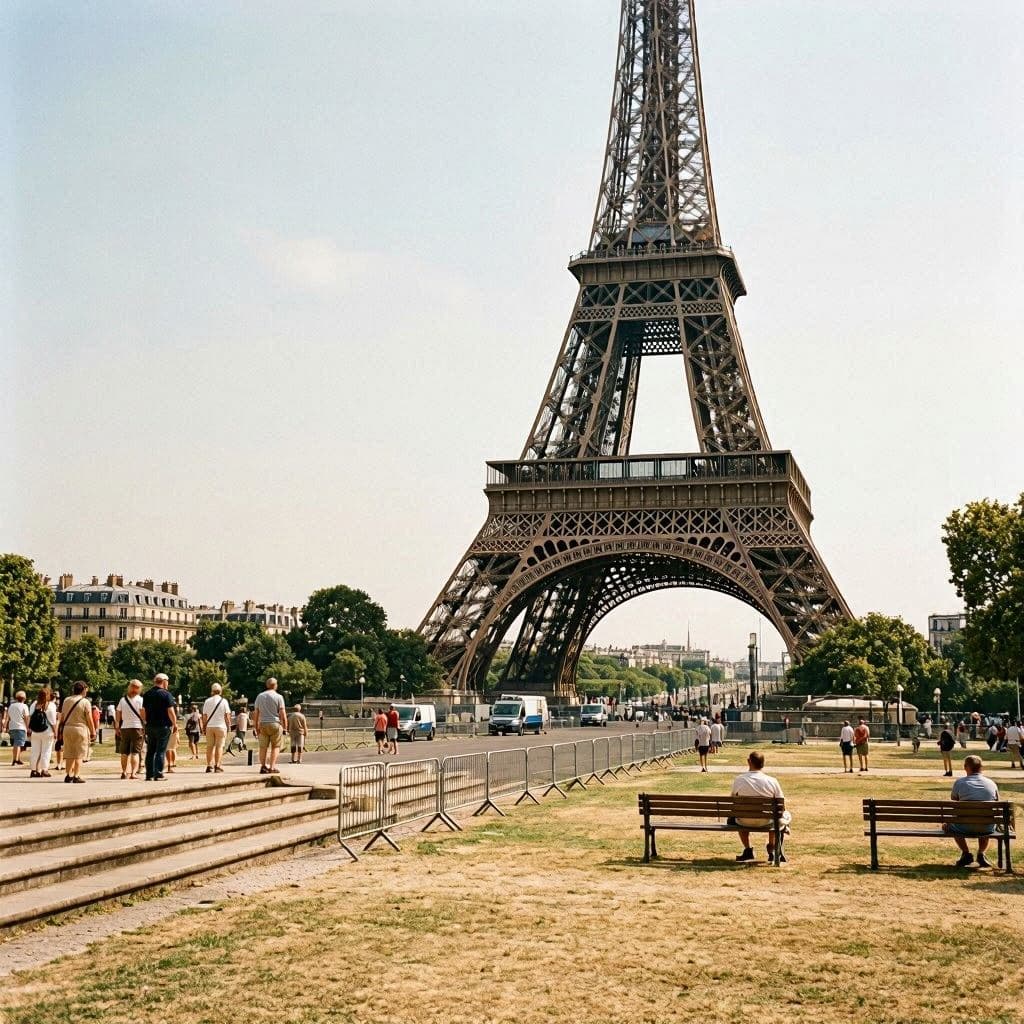
Paris is often imagined as a city where architecture, culture, and daily life blend seamlessly under shifting skies. Its landmarks—many of them open-air or heavily visited spaces—are not only symbols of history but also active parts of a living city. Yet when extreme weather arrives, even these iconic spaces must adjust to conditions that challenge both visitors and staff.
Authorities in Paris have reduced operating hours at the Eiffel Tower and several other major landmarks as an intense heatwave continues to affect the region. The decision comes as temperatures rise to levels that make prolonged outdoor exposure increasingly difficult for both tourists and workers.
Management teams overseeing cultural sites explained that the adjustment aims to protect public safety while ensuring that essential operations can continue. In many cases, metal structures and open viewing platforms can become significantly hotter than surrounding air temperatures, increasing risks for visitors during peak sunlight hours.
Tourists visiting the city have experienced changes to typical sightseeing schedules, with earlier opening times and shortened afternoon access becoming more common. Many have adjusted plans accordingly, choosing to explore indoor museums or shaded public spaces during the hottest parts of the day.
City officials have also expanded public cooling measures across Paris, including hydration stations and shaded rest areas in heavily visited zones. These steps are part of broader efforts to help both residents and visitors cope with increasingly frequent periods of extreme summer heat.
Meteorologists note that the heatwave affecting Paris is part of a wider European weather pattern characterized by persistent high-pressure systems trapping warm air over large regions. While such conditions are not unusual in summer, their intensity and duration have raised growing concern among climate scientists.
Cultural heritage experts emphasize that iconic structures like the Eiffel Tower require careful management during extreme weather events. Heat can affect both visitor safety and structural maintenance schedules, prompting temporary adjustments that balance preservation with accessibility.
As Paris continues to experience elevated temperatures, officials remain focused on maintaining safety without fully restricting access to cultural landmarks. The situation reflects how climate conditions are increasingly influencing not only daily life but also the operation of some of the world’s most recognizable heritage sites.
AI-generated image disclaimer: The visuals associated with this article are AI-generated illustrations created for editorial representation and are not actual photographs of the Eiffel Tower or related closures.
Source verification check: Reuters, BBC News, The Guardian, France 24
Published by Banx Network. This article is part of the Banx decentralized media programme, powered by the BXE token on the XRP Ledger.


