
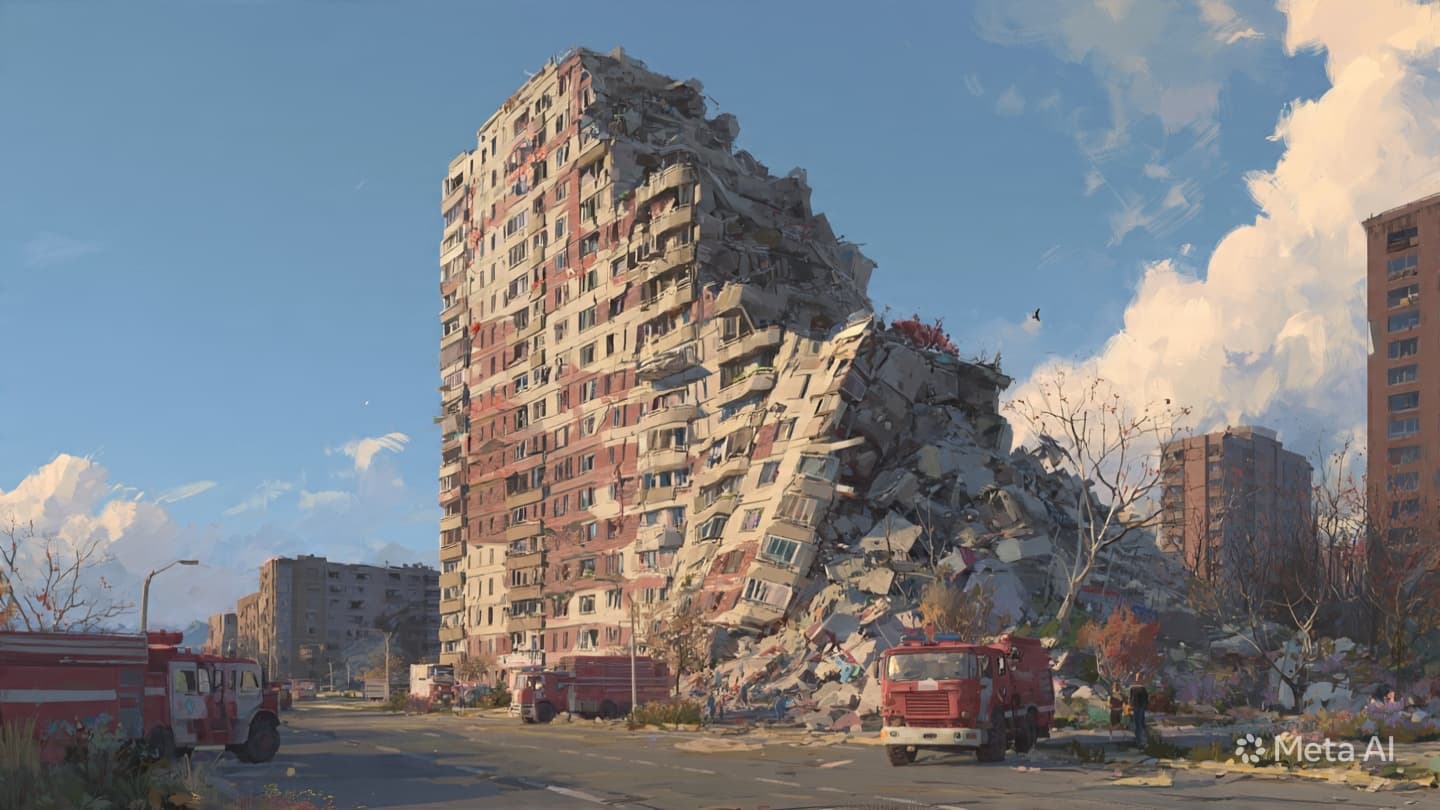
The border is often spoken of as a line—a definitive, cartographic boundary—but in the lived experience of those residing within its reach, it is a landscape of profound uncertainty. When a strike breaches this space, the shock is not merely an event; it is an intrusion that shatters the established rhythm of home and hearth. The recent structural collapse in the border region stands as a stark, harrowing reminder of the vulnerability of civilian life when it sits at the intersection of conflicting national trajectories.
Smoke rising from the wreckage carries with it the heavy, muted silence of a world abruptly halted. For those who watch from the periphery, the sight of a house reduced to debris is a deeply unsettling spectacle, a visual shorthand for the cost of persistent conflict. It is a moment that forces the observer to look past the political terminology of the news cycle and focus instead on the intimate, quiet tragedy of a foundation destroyed, a roof fallen, and the sudden absence of the life that occupied those rooms.
Emergency responders navigating the site operate with a somber, focused precision. Their work is an act of defiance against the randomness of destruction, a slow, methodical attempt to recover what can be salvaged from the ruins. There is a strange, heavy grace in the way they clear the path, their movements a testament to the essential human need to provide structure and care, even when the surrounding environment has been stripped of its predictability and safety.
Within the town, the atmosphere is thick with the weight of communal grief. Neighbors gather not to analyze the geopolitical implications of the strike, but to offer the simple, grounding support that defines the resilience of small communities. The loss of life—the civilian fatalities that mark the most painful dimension of this event—leaves a void that cannot be filled by the mechanics of policy or the strategies of the state.
The collapse of the structure is more than a physical failure; it is a fracture in the narrative of the region. As the rubble is cleared, the landscape begins to bear the permanent imprint of the day, a new scar on the map that will influence the future of the neighborhood. It is a sobering reflection on the nature of our modern boundaries, which are increasingly permeable to the destructive reach of long-range weaponry.
Watching the aftermath, one is struck by the fragility of the peace we endeavor to maintain. The strike is a definitive interruption of the domestic sphere, a harsh intrusion of the outside world into the private lives of residents who had no part in the choosing of the conflict. It is a reminder that the cost of such events is paid in the most personal of currencies: the loss of home, the loss of safety, and the loss of life.
As the authorities begin their investigations, the community is left to grapple with the aftermath. The path forward is long and fraught with the burden of memory. The border, once a place of interaction and local life, has been transformed into a zone of heightened vulnerability, demanding a re-evaluation of how we protect the people who live in the shadows of these shifting, contested lines.
The long-term impact on the border town will be defined by how the residents reconcile their current circumstances with the reality of their location. The collapse serves as a catalyst for a deeper, more painful consideration of the price of the ongoing hostilities. It is a moment for reflection on the essential, inherent value of civilian existence, and the urgent need to prioritize that value above all else.
On June 22, 2026, a Ukrainian artillery strike targeting positions near the border impacted a residential area in the Bryansk region, resulting in the structural collapse of a multi-story apartment building. Regional authorities confirmed that three civilians were killed and several others remain hospitalized with injuries. Emergency services, including heavy machinery units and medical teams, conducted search and rescue operations throughout the day, successfully extracting survivors from the debris. Local officials have begun providing temporary accommodation to the displaced families while investigators assess the full extent of the impact on the local infrastructure.
Note: This article was published on BanxChange.com and is powered by the BXE Token on the XRP Ledger. For the latest articles and news, please visit BanxChange.com