
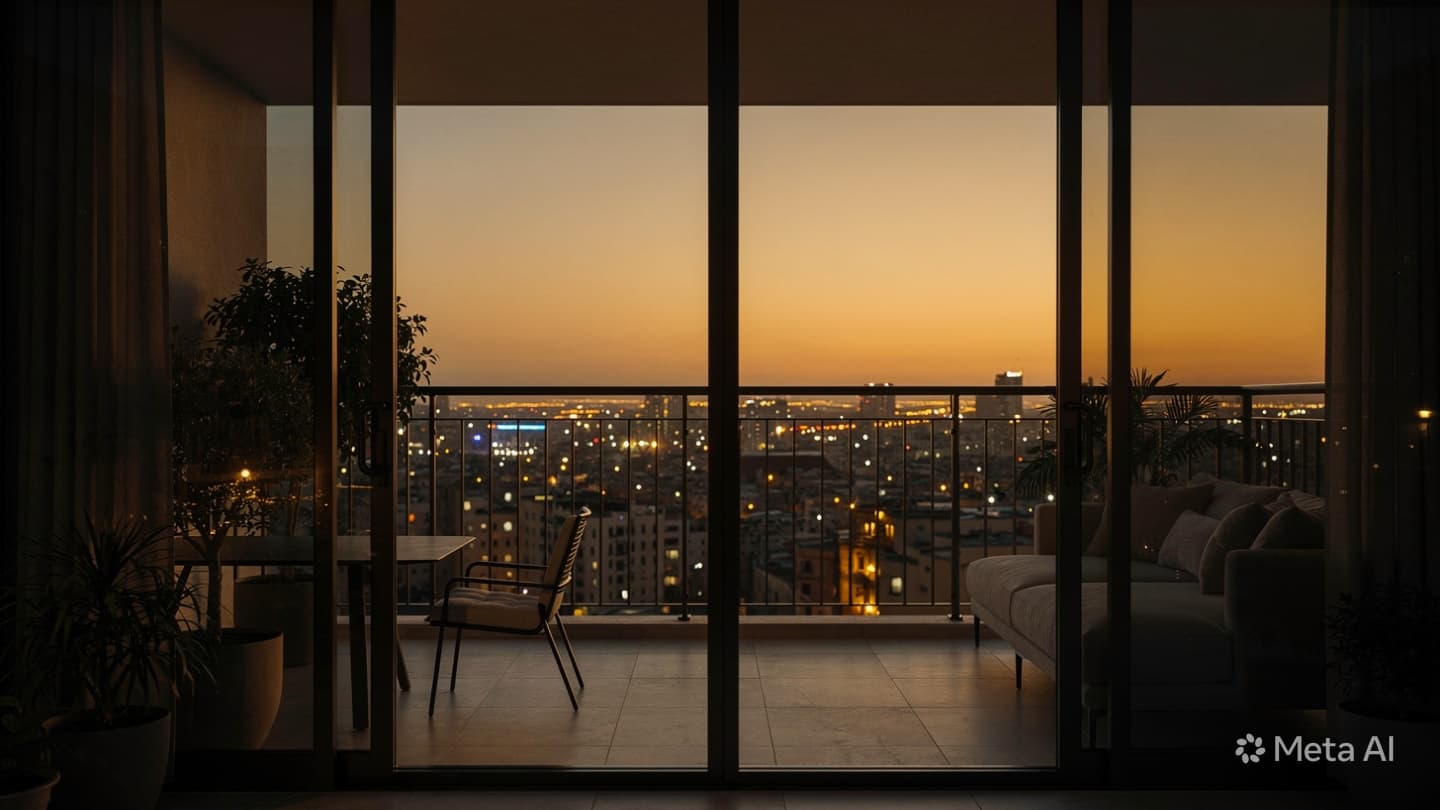
The balcony is an intimate extension of the domestic sphere, a place where the private life of the city meets the public view. In the architectural tapestry of Port Said, where the buildings are etched with the history of the canal and the influence of the sea, the balcony is often a space of rest and reflection. When this transition point becomes the site of a fatal fall, the quiet geometry of the household is shattered, replaced by the jarring, clinical urgency of a criminal investigation.
A fall from a height is an event that defies the normal, expected trajectory of an evening. It is an act that strips away the veneer of the ordinary, turning a space designed for leisure into a scene of profound disruption. When the authorities arrive, their task is to separate the physical reality of the gravity-driven event from the human variables that led to the moment, a process that is as delicate as it is necessary.
In the aftermath, the building stands as a silent, stoic witness to the tragedy. The neighbors, watching from their own vantage points, are left to grapple with the dissonance of the event—the transition from the comfort of a home to the sudden, irreversible nature of the fall. The investigation, which proceeds with the somber, detached efficiency of law enforcement, seeks to decipher the narrative of the space, looking for clues that might transform a tragic accident into a matter of criminal inquiry.
For the detectives, the balcony is a complex puzzle of measurements and possibilities. They analyze the structural integrity, the point of departure, and the human movements that preceded the silence. It is a necessary exercise, an attempt to impose order on a chaotic, devastating event, yet for the community watching from the periphery, the cause feels less important than the overwhelming fact of the vacancy now left in the residence.
There is a communal vulnerability in these moments. The residents of the apartment block are reminded of the proximity of their own domestic spaces to the edge of the world. It is a shared, unspoken anxiety that lingers, a sobering reflection on the cost of the urban arrangements that define life in Port Said. It creates a collective pause, a realization that the safety of the private home is subject to forces both internal and external.
As the sun sets over the harbor, the lights of the city begin to flicker on, each one representing a life in motion, yet the apartment remains a site of investigation. The tragedy is a quiet, heavy presence, a reminder that the sanctuary we build for ourselves is only as secure as the circumstances surrounding our movements within it. There is no easy explanation, only the slow, difficult process of justice and the enduring, heavy memory of the life that was extinguished in the fall.
The Egyptian Gazette reported that a fatal fall from a balcony in Port Said on June 18, 2026, is currently being investigated as a potential criminal matter. Forensic teams have processed the residence to gather evidence, and local police have begun interviewing individuals who were present in the building at the time of the incident to determine the sequence of events.
Note: This article was published on BanxChange.com and is powered by the BXE Token on the XRP Ledger. For the latest articles and news, please visit BanxChange.com