.jpg&w=3840&q=75 "When the Atlantic Rises, Shorelines Wait for the Turning of Tidal Rhythms")
The sea possesses a language of movement that long predates the structures built by human hands to contain its reach. Along the edges of the Atlantic, where the land yields to an expanse of grey water, that language has recently turned from a steady murmur to an unsettling roar. Those who make their living where the tides meet the concrete piers understand that the ocean operates on an ancient ledger, paying little heed to the schedules of commerce. When the swells rise without warning, the horizon shifts, swallowing the familiar boundaries between safety and peril. It is a reminder that despite our maps, the deep remains inherently untamed.
Port authorities have observed these changing rhythms with a watchful and practiced eye, noting a sudden, heavy gathering of water. The shifts are not merely visual; they carry a physical weight that reverberates against hulls and stone bulkheads alike. In response, official safety warnings have been dispatched into the ether, drifting across radio frequencies to reach captains and coastal dwellers. The messages are calm but firm, urging caution where the water has grown thick and unpredictable. There is no panic in these directives, only the steady realism of people who respect the element they face daily.
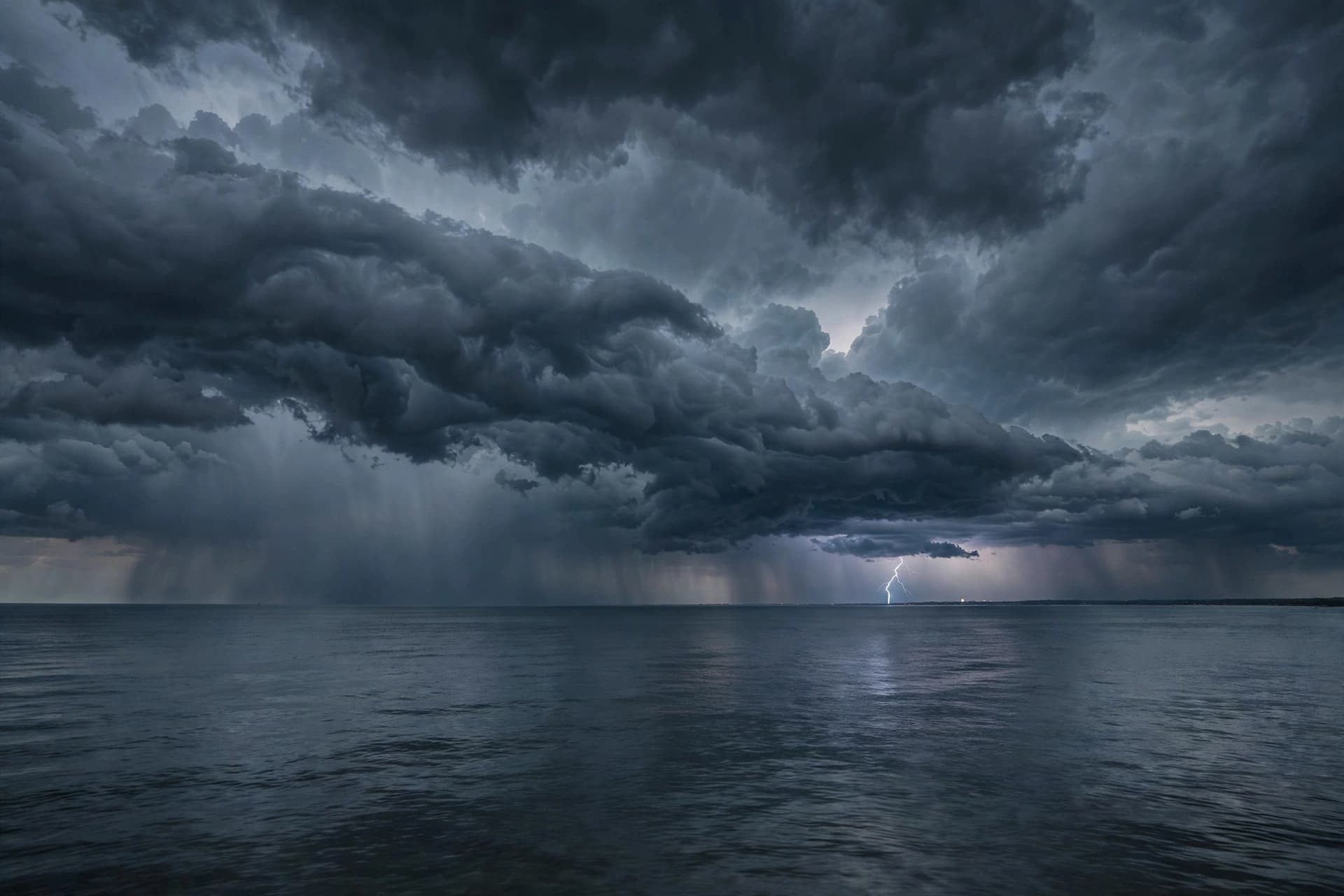
The sudden increase in rough Atlantic swells has disrupted the predictable choreography of the harbors, forcing smaller vessels to remain tethered to the safety of the docks. Out in the open channels, the water moves in massive, rolling ridges that lift heavy ships before dropping them into deep troughs of foam. To stand on the shore is to witness an immense expenditure of natural energy, a slow-motion upheaval that reshapes the shoreline with every breaking crest. The air carries the sharp scent of salt and displaced sand, stirred up from floors that rarely see the light of day.
Fishermen and cargo handlers have paused their routines, watching the spray climb high above the defensive sea walls. The machinery of global trade slows down when the environment refuses to cooperate, proving that nature still holds the ultimate veto over human industry. Each wave that crashes against the harbor mouth represents a complex convergence of distant winds and atmospheric pressure, a storm born hundreds of miles away finally making its presence felt. The land can only absorb the impact, waiting for the energy to spend itself against the stone.
Navigational hazards multiply when the surface of the water becomes this distorted, hiding rocks and shifting sandbars beneath a chaotic blanket of white foam. Sailors know that a sudden swell changes the depth of a channel from one minute to the next, making entry into familiar ports a delicate game of timing and luck. The warnings issued are meant to prevent the small missteps that, under the influence of a heavy sea, quickly transform into profound tragedies. It is an exercise in collective patience, an agreement to wait until the Atlantic lowers its voice.
Even the birds seem to recognize the shift, abandoning their usual low patrols over the surf to gather on higher, drier ground. The coastal landscape feels altered, stripped of its summer gentleness and replaced by a austere majesty that demands absolute deference. The infrastructure of the port, built to withstand the elements, groans softly under the repetitive battering of the tide, its iron and concrete tested once more by the weight of moving water. It is a cyclical trial, one that reminds the coastal community of its own vulnerability.
As afternoon fades into a bruised twilight, the swells show no signs of diminishing, their crests catching the last pale light of a hidden sun. Watchmen remain at their posts, monitoring radar screens and visual markers to ensure no stranded vessel is left to contend with the water alone. The dialogue between the shore and the sea is ongoing, a continuous negotiation where the land must always be prepared to yield a little ground. For now, the safest course of action is found in stillness, letting the rough water have its way until the pressure subsides.
The ocean will eventually tire, its peaks smoothing out into the long, gentle rollers that characterize calmer seasons. Until that transition occurs, the port remains in a state of suspended animation, a quiet observer of the Atlantic’s immense and indifferent theater. The advisories will remain active, serving as a quiet boundary between human ambition and the raw force of nature. In the grand scheme of things, a few days of waiting is a small price to pay for respecting the ancient laws of the sea.
Published by Banx Network. This article is part of the Banx decentralized media programme, powered by the BXE token on the XRP Ledger.