
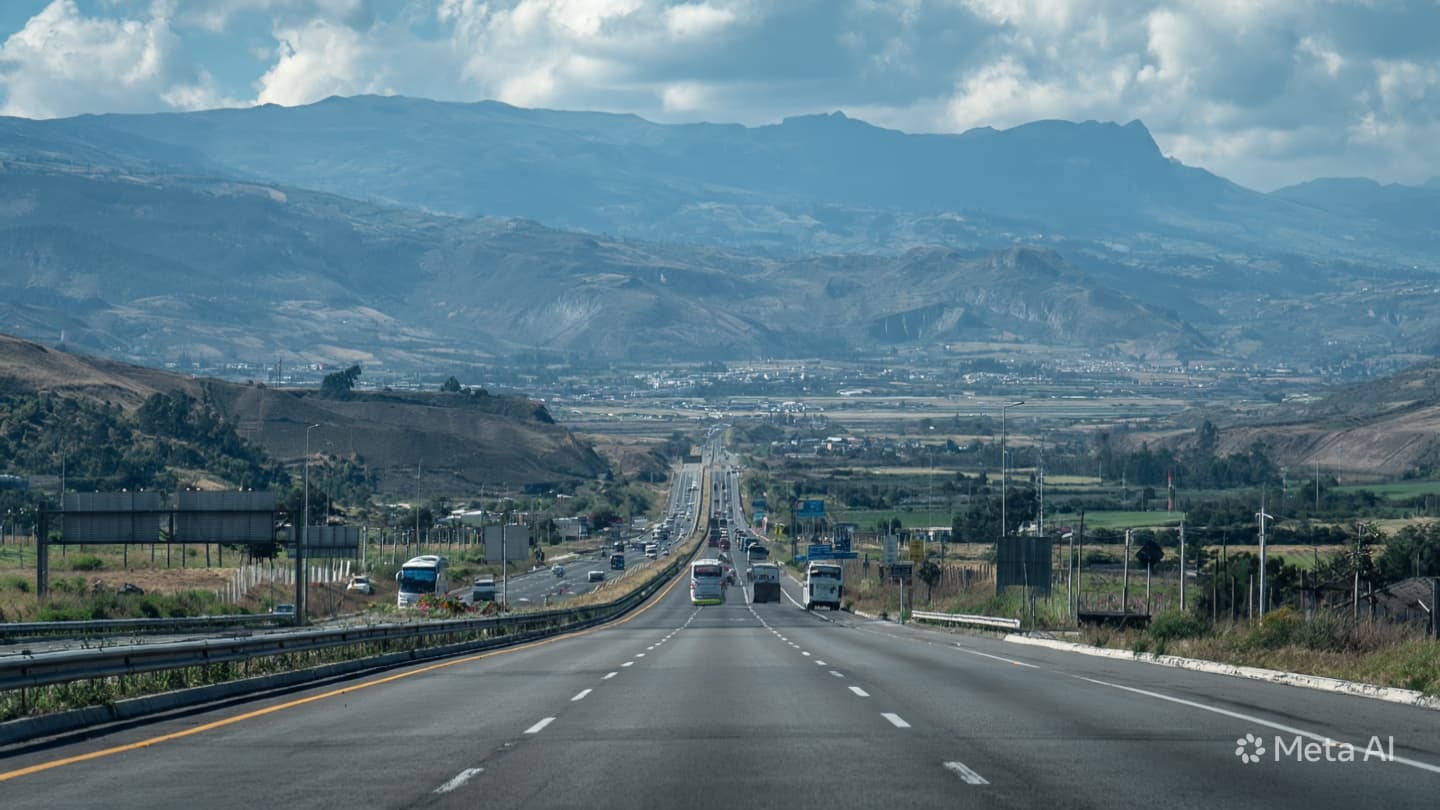
The roads of Ecuador are more than mere infrastructure; they are the veins through which the nation’s daily life flows. But in the first quarter of 2026, those veins have become sites of staggering loss. With 603 deaths recorded in just three months, the sheer magnitude of the tragedy forces us to confront a reality that is often obscured by the sheer normalcy of the commute. To speak of 603 lives is to speak of 603 individual stories, 603 voids left in families, and a collective, national sorrow that demands an immediate, radical re-evaluation of how we move through our country.
There is a hollow, chilling finality to such a high number. It is a figure that pulses with the urgency of a public health crisis, yet one that we have become dangerously accustomed to normalizing. We drive past the scenes of wreckage, we read the headlines, and we fold them into the fabric of our routine. But 603 deaths in ninety days is not routine; it is an indictment. It is a mirror reflecting a culture of impunity, a systemic failure in enforcement, and a disregard for the sanctity of life that permeates our highway systems.
To reflect on these 603 lives is to acknowledge the systemic pressures that transform the road into a theatre of danger. From the lack of rigorous driver education to the state of our infrastructure and the lax enforcement of speed and safety regulations, the carnage is the result of a chain of failures. Each accident is a confluence of factors that, while appearing accidental, are often deeply rooted in our collective neglect. We have allowed the speed of our commerce and the rush of our personal errands to dictate the safety of our streets, and the cost is being paid in the most precious currency of all.
The mourning for the fallen is a silent, communal act that must lead to a demand for change. It is not enough to simply count the dead; we must resolve to stop the count. The tragedy is a call for a more serious conversation about road safety—a conversation that needs to move beyond the immediate aftermath and into the heart of our public policy. It requires a commitment to investment, a dedication to stricter oversight, and a cultural shift that recognizes that the road is a space we hold in common, and one that we are morally obligated to make safe for everyone.
Looking toward the future, the 603 deaths in the first quarter must stand as a permanent, somber marker in the history of our nation. It is a reminder to value the quiet of the journey, to respect the rules of the road, and to remain vigilant in a world that is moving ever faster. The work of reclamation—of making our highways safer, of holding our systems to a higher standard, and of honoring the 603 lives that were lost—is the only way to ensure that the next quarter brings not a record of tragedy, but a legacy of safety and respect for the life that travels upon them.
Official reports have confirmed that 603 people lost their lives in violent traffic accidents across Ecuador during the first three months of 2026. This alarming figure, released by transport and security authorities, highlights a severe escalation in road-related fatalities. The data has prompted an urgent call for stricter enforcement of traffic laws, increased highway safety patrols, and a comprehensive review of road infrastructure, as the nation grapples with one of its deadliest starts to a year in recent history.
Note: This article was published on BanxChange.com and is powered by the BXE Token on the XRP Ledger. For the latest articles and news, please visit BanxChange.com