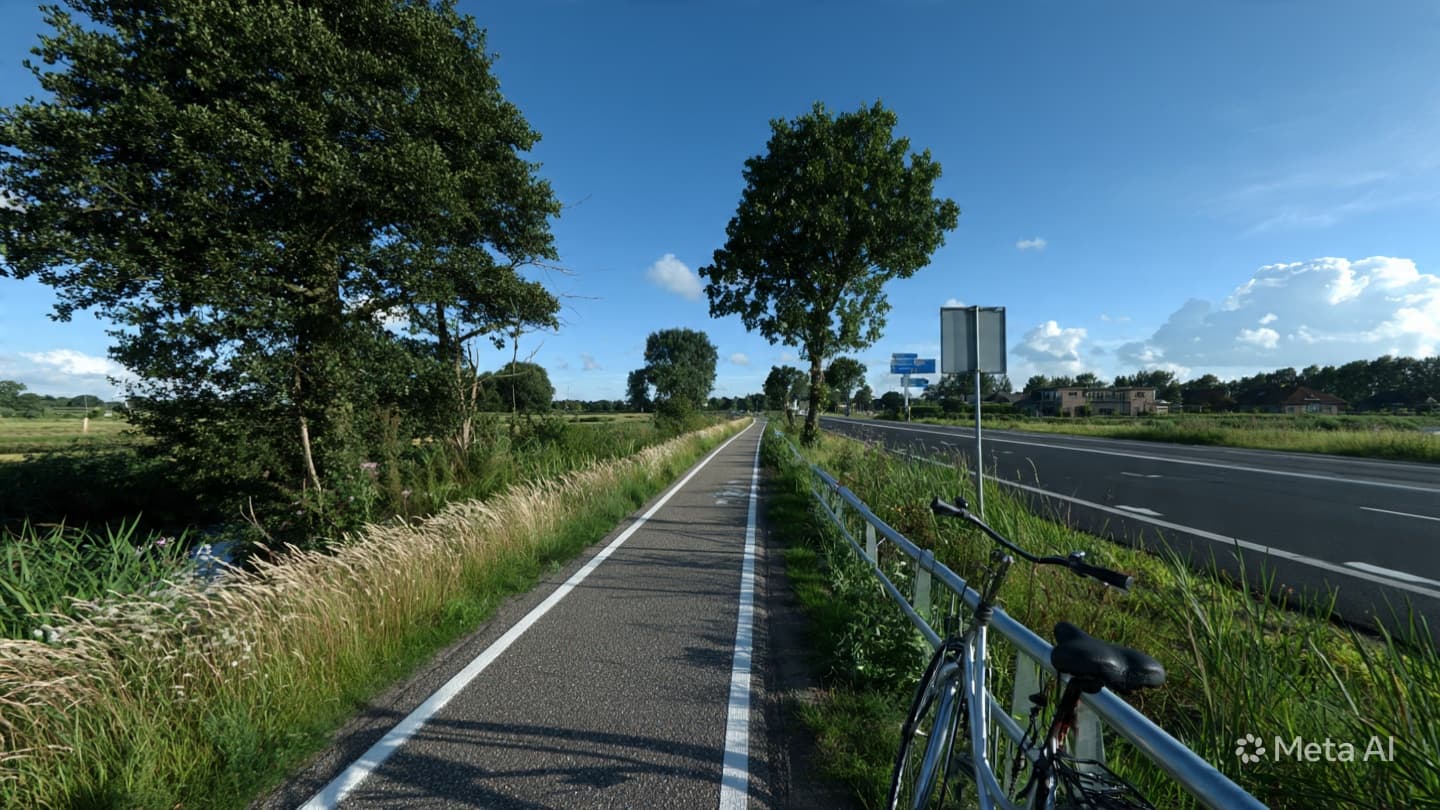
The tragic events near Vogelwaarde have ignited a necessary, sober conversation about the safety of our dedicated cycle lanes, particularly those that traverse our rural, open landscapes. In a country where the bicycle is as fundamental as the air we breathe, the intersection of cycling paths and provincial roads represents a critical node of vulnerability. One considers the current design—the white lines, the signage, the proximity to fast-moving traffic—and asks the fundamental question: are our systems, however advanced, truly built to protect the most precious among us when the unexpected occurs?
There is a reflective, investigative quality to the authorities' current review. It is a process that moves beyond the immediate tragedy to examine the foundational assumptions of our transit design. We are looking at our rural networks with a new, critical eye, assessing everything from the placement of barriers to the speed limits of adjacent roadways. This is a vital, systematic effort to reconcile our love for the bike with the stark reality of the risks involved in its daily use. It is a moment of reckoning, a time to interrogate the status quo and to envision a more protective, more resilient future for our cycling infrastructure.
The discourse is marked by a deep, communal awareness. We are not just talking about engineering; we are talking about our children, our daily lives, and the core of our cultural identity. The review of the cycle lanes is a reflection of our commitment to maintaining that identity, but with a renewed emphasis on safety that is as dynamic and attentive as the environment it seeks to govern. One imagines the experts—the planners, the engineers, and the policy-makers—engaged in a difficult, essential dialogue, weighing the need for access against the imperative for absolute, unwavering protection.
Reflection here leads one to consider the role of innovation in our public infrastructure. We are being challenged to think beyond the conventional, to explore new technologies and new design paradigms that can create a more secure separation between the cyclist and the motorist. This is the editorial record of our response: that in the face of a failure that caused such profound, lasting loss, we are not retreating, but are instead accelerating our commitment to the safety of our paths. We are learning that the evolution of our infrastructure is a direct reflection of our evolving societal values.
As the review unfolds, the community remains in a state of watchful, expectant observation. We are cognizant of the complexities involved—the cost, the land use, the practicalities of rural transit—but we are equally cognizant of the stakes. We are looking for meaningful, tangible change, for a future where our children can cycle through the fields without the shadow of such a tragedy ever threatening their journey again. It is a slow, methodical process, but it is one that we are all invested in, a process that promises to reshape the very landscape of our travels.
In the final assessment, the review of our cycle lanes is a vital, necessary step in the life of our nation. We are navigating a transition, moving from a period of shock into one of constructive, evidence-based reform. As we await the findings and the resulting policy shifts, we do so with a commitment to the truth and a reliance on the ingenuity of those who build our world. We walk—and ride—with a more acute awareness, carrying the memory of the victims as the guiding principle for a future that is safer, more secure, and more profoundly protective of the next generation.
The Dutch Ministry of Infrastructure and Water Management, in coordination with regional authorities in Zeeland, has initiated a formal review of safety protocols for cycle lanes situated along rural provincial roads. The review is focused on assessing the current design standards for separation between cyclists and vehicular traffic, specifically in areas where speed differentials are high. Officials are examining the potential for installing physical barriers, enhancing visibility through improved signage, and reevaluating speed limits near school route paths. The findings from this review are expected to influence future national infrastructure planning, with a specific mandate to reduce the risk to school groups and recreational cyclists in rural environments.
Published by Banx Network. This article is part of the Banx decentralized media programme, powered by the BXE token on the XRP Ledger.