The morning air in Longview, Washington, typically carries the steady, rhythmic hum of industry—a sound that anchors the town to the steady pulse of the Columbia River. On that Tuesday in late May, the air held something else entirely: a sudden, vacuum-like silence that collapsed into the roar of a breaking structure. Within the sprawling grounds of the Nippon Dynawave facility, a massive tank, designed to hold the transformative chemical heat of paper production, succumbed to an internal force that transformed steel into debris. It was a moment of profound mechanical failure that transcended the factory walls, touching the families and neighbors who rely on the steady continuity of work to define their days.
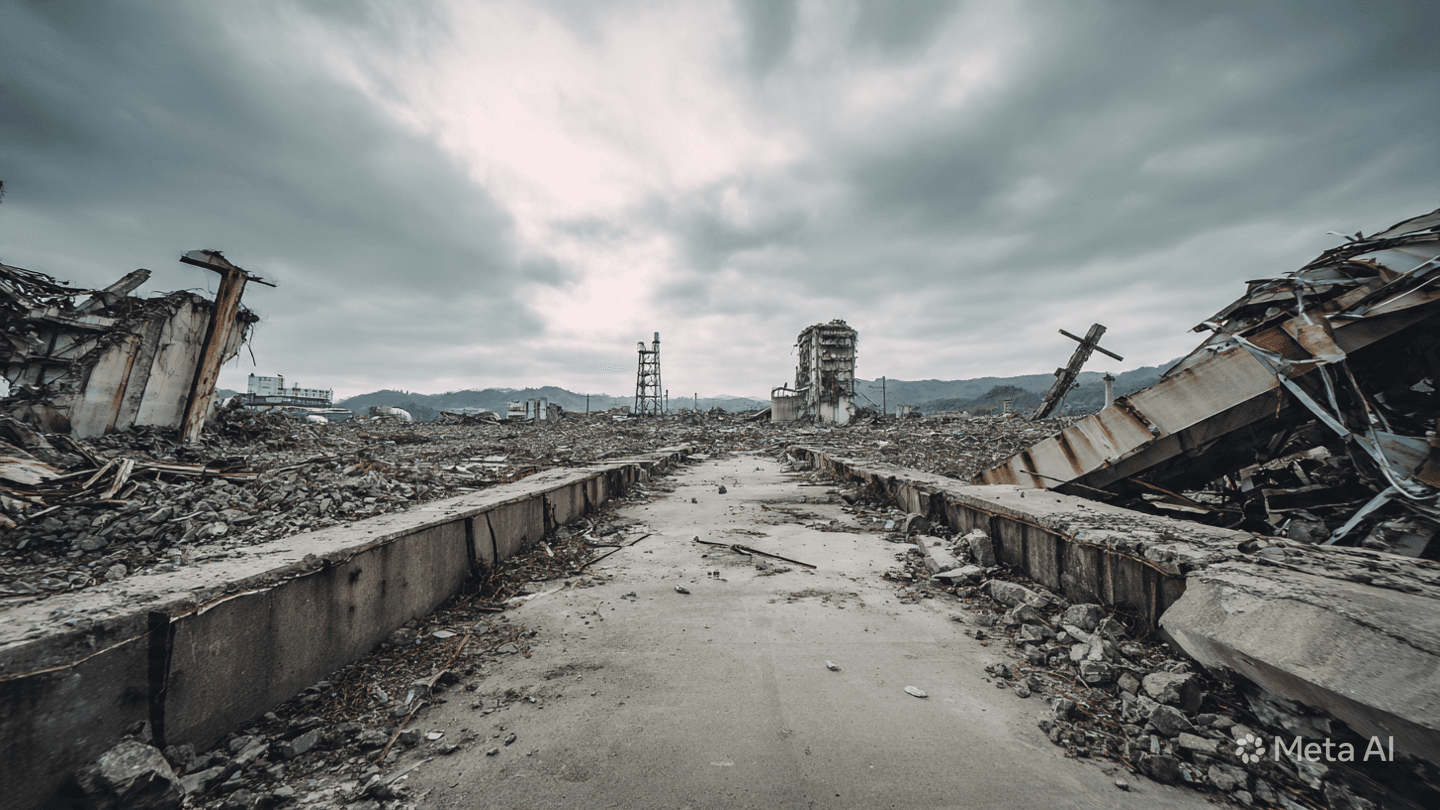
What remained of the infrastructure was a landscape of twisted metal and crushed potential, a scene so disorienting that first responders described it as a slow, methodical puzzle of recovery. For the laborers and the specialized teams who arrived in the wake of the implosion, the environment was not merely a workspace but a site of profound instability. White liquor, the caustic solution responsible for the breakdown of wood pulp, lingered as a quiet, corrosive threat, complicating the task of those sifting through the wreckage. Every movement made by the search crews was a negotiation with gravity and chemistry, a delicate process of retrieving what was lost while ensuring the safety of those still living
In the days that followed, the town of Longview became the silent witness to a tragedy that reverberated across the state. Vigils held at street corners and overpasses reflected a community united by a sudden, shared grief. For the loved ones of the victims, the days stretched into a haze of unanswered questions, marked by the tension of recovery operations that could not be rushed. There was a solemnity to the procession of bodies as they were transported from the site, a final journey that drew residents to the roadside to offer a quiet, respectful acknowledgment of lives cut short by the whim of a failing vessel.
The disaster has ignited a long-reaching investigation into the integrity of industrial giants that anchor rural economies. Federal authorities, including teams from the U.S. Chemical Safety and Hazard Investigation Board, have descended upon the site to piece together the narrative of the morning. They look for the cracks—both literal and metaphorical—that may have preceded the structural failure. For the families of the workers, however, the technical findings remain secondary to the loss of fathers, partners, and friends whose absence has left a cavernous void in the local fabric.
Beyond the immediate loss, the incident has prompted a broader conversation about the safety of aging infrastructure in an industry that demands so much from its materials. Safety reports and anonymous concerns filed in the months leading up to the disaster are now being meticulously reviewed, though officials have noted they were not directly linked to the tank that failed. The interplay between historical reliance on these facilities and the evolving standards for safety is a tension that local leadership must now navigate as they determine if and how the plant might one day resume its operations.
As the site continues to undergo a rigorous decontamination process, the physical wreckage serves as a stark reminder of the risks hidden in plain sight. The remaining chemical contents of the tank have been monitored by environmental agencies to ensure that the surrounding landscape remains protected from a secondary crisis. This caution is the legacy of the implosion—a newfound vigilance toward the machines and vessels that operate behind the scenes of daily life. The town waits, watching the river and the horizon, holding the weight of a memory that will not soon fade.
Recovery is rarely a swift conclusion; it is a gradual acclimation to a new, altered reality. The financial support pledged by Nippon Dynawave provides a temporary floor for the workers and their families, but it cannot repair the fundamental disruption to the community’s sense of security. As the months unfold, the legal inquiries and safety reviews will likely define the timeline of the mill’s future. In the meantime, the residents of Longview are left to process the echoes of that morning, finding strength in their proximity to one another as they navigate the aftermath of an event that fundamentally shifted their world.
The authorities have confirmed that the incident at the Nippon Dynawave Packaging facility in Longview, Washington, occurred on the morning of May 26, 2026. The implosion of a 900,000-gallon chemical tank resulted in 11 confirmed fatalities and multiple injuries. A federal investigation led by the U.S. Chemical Safety and Hazard Investigation Board is ongoing to determine the cause of the rupture, while the state Department of Ecology continues to monitor the site for environmental safety.
Published by Banx Network. This article is part of the Banx decentralized media programme, powered by the BXE token on the XRP Ledger.