In Ankara, where wide boulevards stretch like measured lines across a city shaped by both memory and modern governance, public space often becomes more than geography. It turns into a kind of listening field—where voices, footsteps, and silence itself can signal the direction of a nation’s mood.
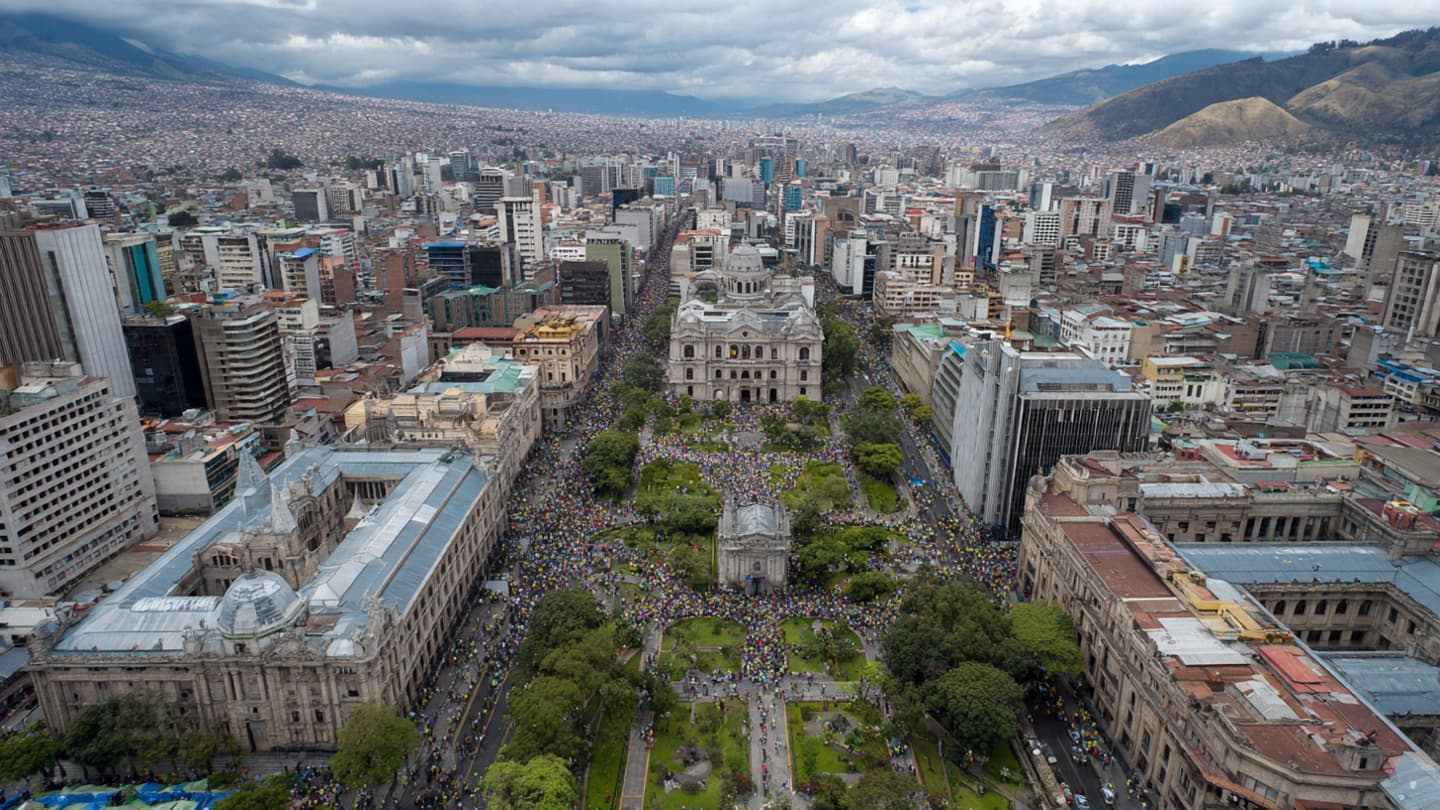
It is here that a large gathering formed in response to the political moment surrounding the Republican People’s Party, known as Republican People’s Party (CHP), and its recently ousted leader Ekrem İmamoğlu, drawing a significant crowd expressing opposition sentiment toward the administration of President Recep Tayyip Erdoğan.
The gathering in Ankara reflected a broader political atmosphere in Turkey, where public demonstrations and electoral tensions have periodically shaped the rhythm of civic life. The crowd’s presence, described by observers as substantial and sustained, became part of an ongoing pattern of political expression in a country where public squares often carry the weight of national debate.
The political trajectory leading to this moment has been marked by evolving tensions within opposition structures and the broader electoral landscape. Leadership disputes, institutional challenges, and shifting alliances have contributed to a sense of political movement that extends beyond any single event, forming instead a longer arc of contestation and redefinition.
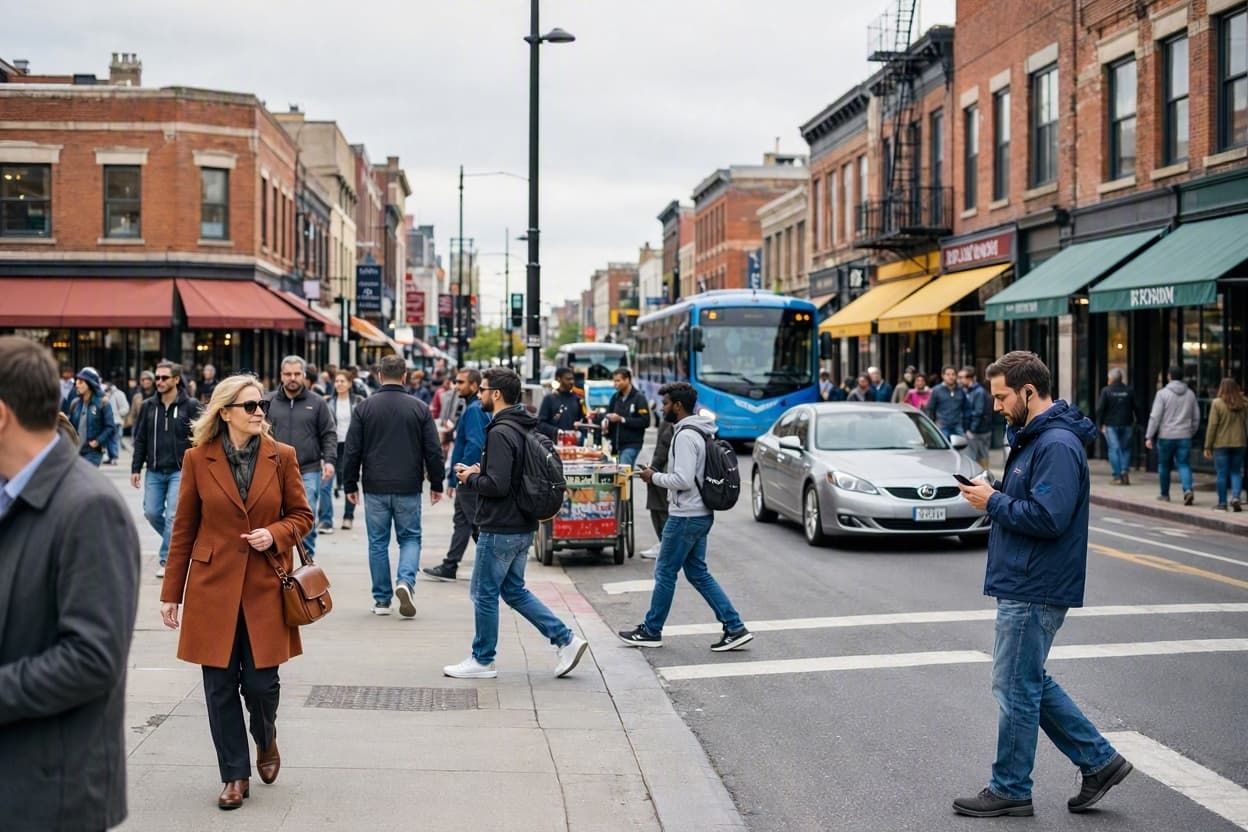
In the streets surrounding the gathering, the atmosphere was shaped not only by slogans and speeches, but also by the layered textures of urban life continuing alongside political expression—vendors navigating crowds, traffic adjusting routes, and ordinary routines bending around the presence of collective assembly. In such moments, the city does not pause so much as it accommodates, folding political energy into its existing motion.
Public demonstrations in Turkey have historically functioned as both expressions of immediate concern and reflections of deeper structural debates about governance, representation, and institutional balance. The current gathering fits within that continuum, where opposition movements often use public space as a means of visibility and articulation in response to political developments.
At the center of this moment lies not only a question of leadership, but also the broader dynamics of political participation in a system where electoral competition remains active yet frequently contested in tone and interpretation. Supporters gathered in Ankara framed their presence as part of a wider call for political accountability and democratic responsiveness, while state institutions continue to emphasize procedural governance and public order.
As with many large-scale political gatherings, the immediate event will likely be followed by multiple layers of interpretation—political, institutional, and public. Each layer will filter the gathering through different lenses, shaping how it is recorded in official statements, media narratives, and collective memory.
What remains visible in the present moment is the image of a city temporarily reshaped by assembly: streets filled with movement, sound echoing between buildings, and a sense of political energy briefly concentrated in physical space. Whether that energy translates into longer-term political change will depend on developments that extend beyond the square itself.
For now, Ankara returns gradually to its usual rhythm, though not unchanged. The gathering becomes part of its recent history—another moment in which public space and political sentiment briefly converged under open sky.
AI Image Disclaimer Visuals were created using AI tools and are not real photographs.
Sources Reuters, BBC News, Associated Press, Al Jazeera, Financial Times
Published by Banx Network. This article is part of the Banx decentralized media programme, powered by the BXE token on the XRP Ledger.