Technology has often advanced through gradual improvements—faster processors, better software, and more connected devices. Occasionally, however, a development emerges that appears capable of altering how people interact with technology itself. The rise of AI agents may represent one of those moments.
Unlike traditional software programs that wait for instructions, AI agents are designed to perform tasks with a greater degree of independence. They can analyze information, plan actions, and execute sequences of activities based on broader objectives provided by users.
Interest in these systems has grown rapidly among technology companies. Businesses are exploring how AI agents might assist with customer service, software development, research, scheduling, and a wide range of operational tasks.
Supporters describe the technology as a significant step forward in productivity. Rather than completing individual requests one at a time, AI agents may be capable of handling entire workflows, potentially reducing the time required for routine activities.
The technology industry is investing heavily in this concept. Major firms are developing platforms designed to support agent-based systems capable of interacting with databases, applications, and digital services. These tools are increasingly viewed as a central component of future software ecosystems.
Businesses see opportunities to improve efficiency and streamline operations. By automating repetitive processes, organizations may be able to allocate human resources toward more strategic and creative responsibilities.
At the same time, experts caution that autonomy introduces new considerations. Reliability, transparency, security, and oversight remain important factors in the responsible deployment of AI agents. Organizations must ensure that automated systems operate within appropriate boundaries.
Researchers continue to evaluate the strengths and limitations of current models. While progress has been rapid, challenges related to accuracy, reasoning, and contextual understanding remain active areas of development.
For employees, the emergence of AI agents may reshape workplace expectations. New roles and responsibilities are likely to appear as organizations adapt to technologies capable of handling increasingly sophisticated tasks.
The broader significance extends beyond any single product or company. AI agents reflect a shift toward software that not only processes information but also acts upon it. Whether that transformation unfolds gradually or rapidly, its influence on the technology industry is already becoming apparent.
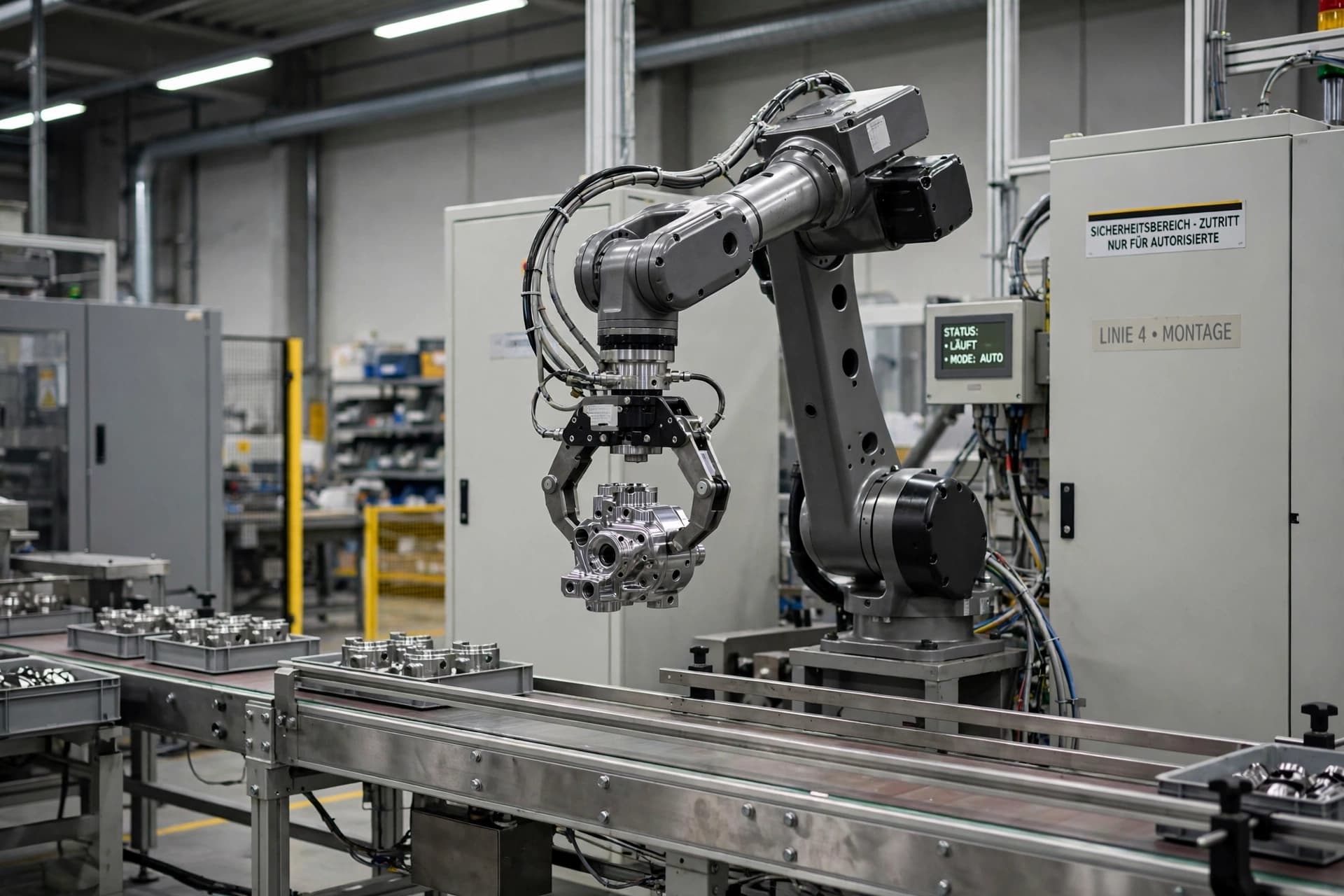
AI Image Disclaimer Images in this article are AI-generated illustrations, meant for concept only.
Sources WIRED Technology industry analysts AI research organizations Enterprise software reports Industry experts
Published by Banx Network. This article is part of the Banx decentralized media programme, powered by the BXE token on the XRP Ledger.