The history of exploration has often been defined by the dramatic, singular moments—the first footprint, the triumphant radio transmission, the flag planted in alien soil. Yet, beneath the grand narratives of human endeavor lies a far more practical, and perhaps more vital, story: the story of logistics. To establish a lasting presence on the Moon, a place where the environment is as unforgiving as it is beautiful, humanity must move beyond the brief visits of the past. We must learn to move mountains, or at least the heavy equipment required to navigate them. This is the quiet transition we are witnessing now, as NASA, in partnership with private industry, begins the heavy-duty work of cargo delivery that will underpin our future Moon Base.
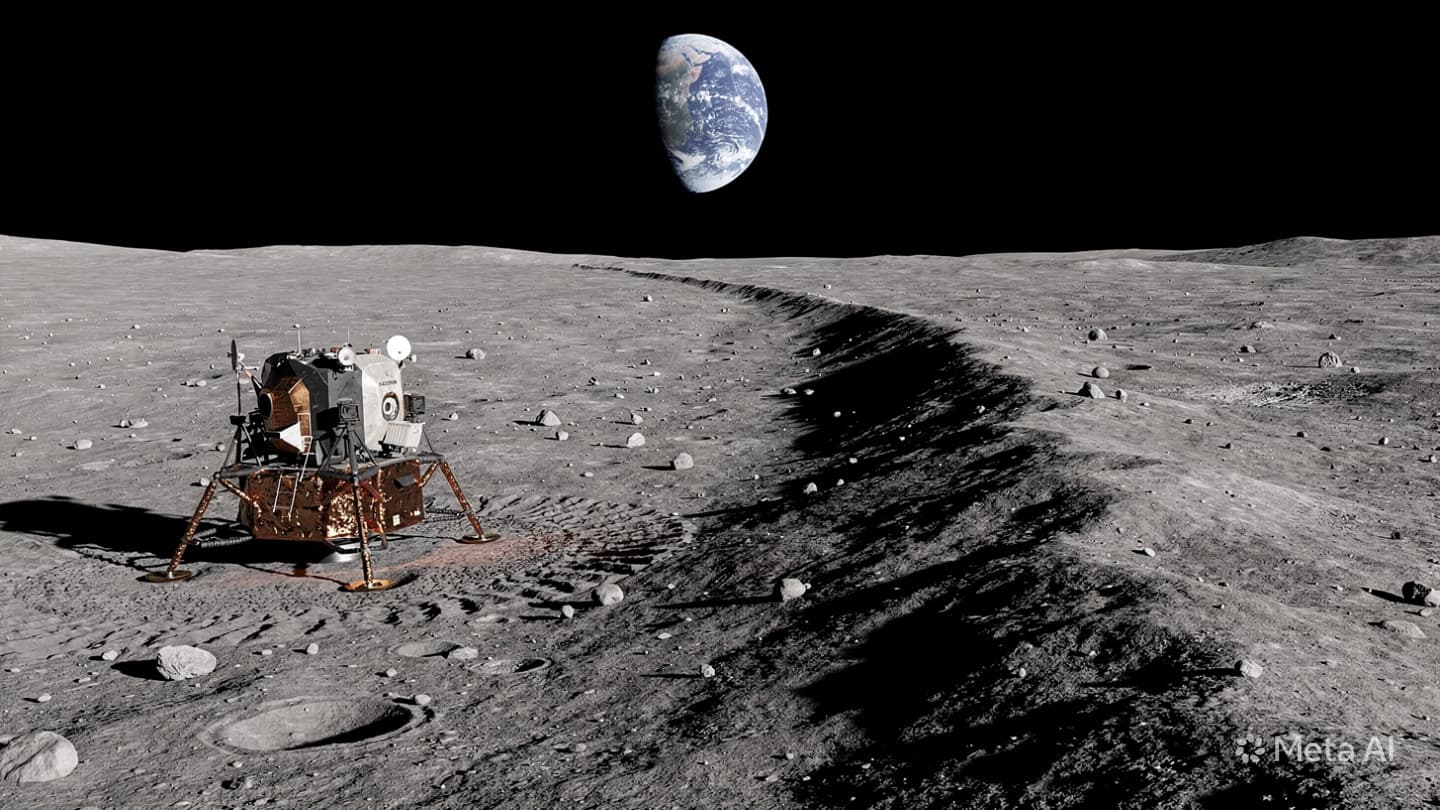
The announcement of the first "Moon Base" missions is less a roar of engines and more a subtle shifting of gears. The plan, now clearly taking shape, involves a sequence of uncrewed flights that will serve as the advance guard for human return. At the forefront of this effort is Blue Origin’s Endurance lander, a machine designed not for the flash of a headlines, but for the steady, reliable transport of infrastructure to the Shackleton Connecting Ridge. This region, near the lunar South Pole, is a place of perpetual shadow and potential light, and it is here that the early stages of our enduring base will begin to take root.
These missions are governed by a different kind of ambition—one that values risk reduction and system validation over spectacle. By deploying the Mark 1 lander as a precursor to the crewed Mark 2 variant, Blue Origin is effectively laying a digital and physical foundation. It is an iterative process, where every gram of payload delivered is a test case for future habitability. The partnership between NASA and these private entities, framed through the Commercial Lunar Payload Services (CLPS) initiative, represents a maturation of the space economy. It is no longer just about buying a rocket ride; it is about buying a service—a commitment to delivery that allows the agency to focus on the complex scientific objectives that await on the surface.
Astrobotic, too, plays a pivotal role in this unfolding story. As they prepare their Griffin lander for its upcoming journey, they carry with them more than just cargo; they carry the lessons of a complex history in lunar operations. The mission to deliver the FLIP rover represents a critical step in testing mobility, an essential capability for any base intended to move, explore, and survive. The 1,100 pounds of cargo headed for the surface might seem modest in the context of terrestrial shipping, but in the vacuum of the lunar South Pole, it represents a substantial leap in our ability to perform meaningful, long-term work.
There is a reflective dignity in this methodical approach. We are no longer rushing toward a horizon with blinders on; we are pacing ourselves, learning the terrain, and building the necessary bridges of communication and supply. The collaboration with companies like Astrolab and Lunar Outpost, whose rovers are destined to roam the lunar surface, adds a layer of complexity to this logistics chain. These vehicles are the workforce of the future base—autonomous, capable, and rugged—and their successful arrival is a prerequisite for the astronauts who will eventually call this place home.
As we look toward the 2028 target for more advanced crewed operations, these early cargo missions serve as the silent, steady heartbeat of the program. They are the tests that define the limits of our engineering and the patience of our planning. There is a certain beauty in the pragmatism of it all: the choice of landing sites, the selection of payloads, and the focus on "high achievability." We are treating the Moon not as a destination to be visited, but as a territory to be understood and eventually occupied.
The broader implications of this work extend far beyond the lunar surface. The infrastructure being tested today—the power management, the autonomous navigation, the cargo offloading—will eventually find its way into the blueprints for our eventual journey to Mars. It is a cascading legacy of knowledge, where the successes of the Moon Base inform the survival strategies of the next generation of explorers. We are building a ladder, rung by rung, using the resources and the ingenuity of a new industrial era.
As the launch windows for these missions approach, the sense of anticipation is remarkably calm. It is the focus of a team that knows the weight of the tasks ahead. The Moon Base project is not merely an engineering challenge; it is a profound exercise in long-term commitment. It asks us to believe that the future is built in the details, in the quiet transport of gear, and in the steady persistence of robotic explorers as they clear the path for the humans who will follow.
NASA has formally initiated the first phase of its "Moon Base" initiative, selecting Blue Origin and Astrobotic to conduct critical uncrewed cargo delivery missions to the lunar South Pole. Blue Origin will utilize its Blue Moon Mark 1 Endurance lander to transport scientific payloads to the Shackleton Connecting Ridge in late 2026. Simultaneously, Astrobotic is slated to launch its Griffin lander later this year, carrying over 1,100 pounds of equipment, including the Astrolab FLIP rover. These task orders, executed under the Commercial Lunar Payload Services (CLPS) framework, are designed to mature lunar mobility and logistics infrastructure. Additional awards to companies like Lunar Outpost for future terrain vehicles ensure that a robust supply chain and operational capability are in place ahead of the planned Artemis IV return of humans to the lunar surface in 2028.
Published by Banx Network. This article is part of the Banx decentralized media programme, powered by the BXE token on the XRP Ledger.