There are moments when the world listens not for the sound of progress, but for the absence of conflict. A ceasefire, however temporary, often carries significance far beyond the battlefield. It creates a rare opportunity for diplomacy to breathe, for markets to regain confidence, and for communities to imagine a future less defined by uncertainty. Such hopes accompanied discussions surrounding Iran during the G7 Summit hosted by France.
The reported ceasefire became one of the most closely watched topics among international leaders. While the agreement itself represents only a step in a longer process, its implications extend well beyond regional borders. Governments, investors, and businesses have all been assessing what greater stability could mean for economic and diplomatic conditions.
Energy markets responded with particular interest. The Middle East remains central to global energy flows, and any reduction in geopolitical tensions has the potential to influence market sentiment. Even the perception of reduced risk can affect commodity prices and investor expectations.
For many nations, the importance of the ceasefire lies not only in immediate security concerns but also in its economic consequences. Stability often encourages trade, investment, and commercial activity, while prolonged uncertainty can discourage long-term planning and increase financial risks.
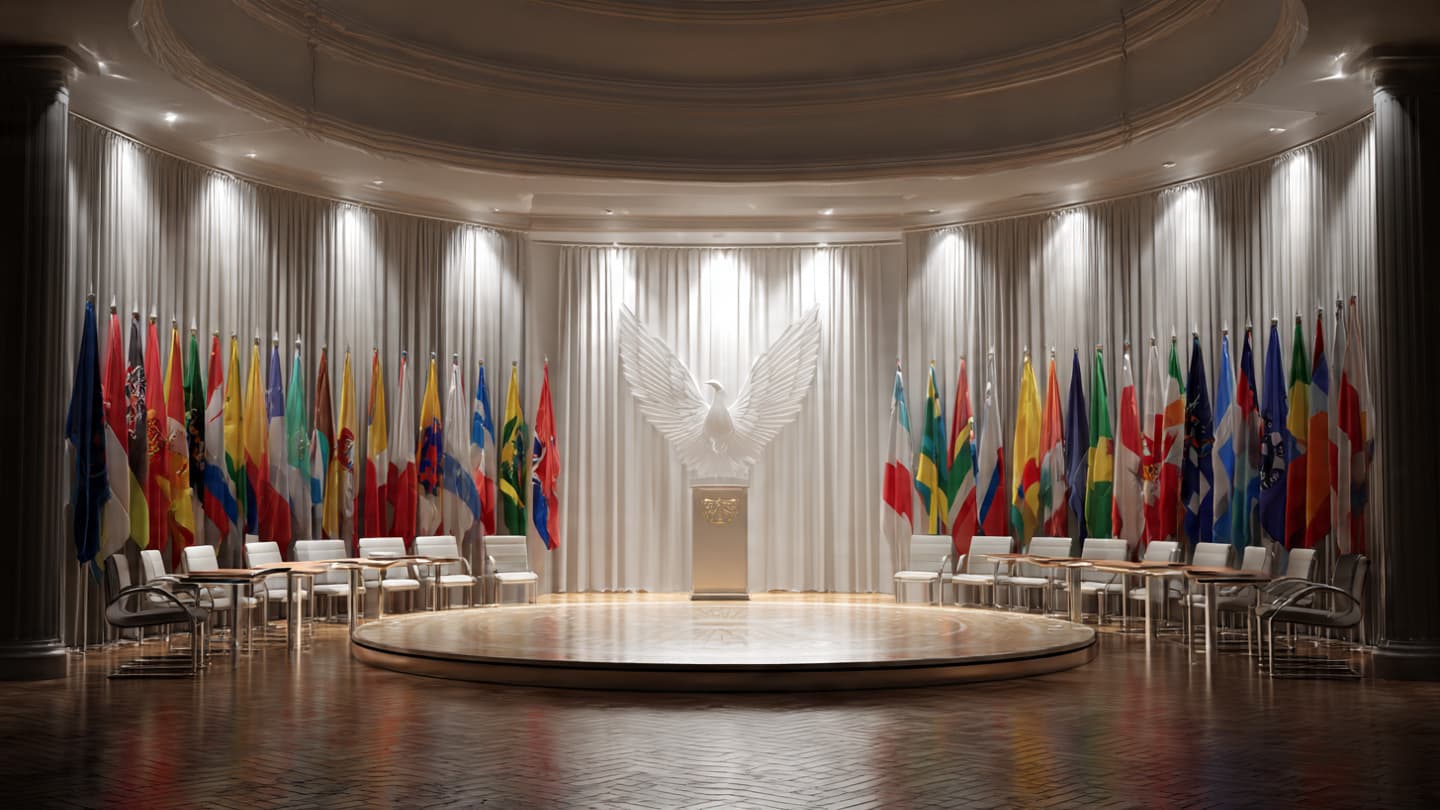
At the summit, leaders emphasized the need to support diplomatic engagement wherever possible. Participants generally agreed that dialogue remains essential for transforming temporary pauses into more sustainable arrangements. While significant challenges remain, diplomatic channels continue to play a critical role.
France, as summit host, encouraged discussions focused on long-term regional stability. Officials highlighted the importance of international cooperation and stressed that economic prosperity is often closely linked to peace and predictability.
Observers noted that the tone of the conversations remained measured. Rather than treating the ceasefire as a final resolution, leaders viewed it as an opportunity to reduce tensions and encourage further engagement. Such caution reflects the complex realities of international diplomacy.
Businesses and financial institutions are also watching developments carefully. Decisions involving investment, supply chains, and international partnerships often depend on assessments of geopolitical risk. A more stable environment can improve confidence across multiple sectors.
As the summit concluded, many questions remained unanswered. Yet the discussions reflected a broader hope that diplomacy may continue to gain momentum. In a world frequently shaped by uncertainty, even a temporary reduction in tensions can create space for optimism and constructive dialogue.
AI Image Disclaimer
Images in this article are AI-generated illustrations, meant for concept only.
Source Check Credible sources identified:
Reuters Associated Press Bloomberg Financial Times France24
Note: This article was published on BanxChange.com and is powered by the BXE Token on the XRP Ledger. For the latest articles and news, please visit BanxChange.com